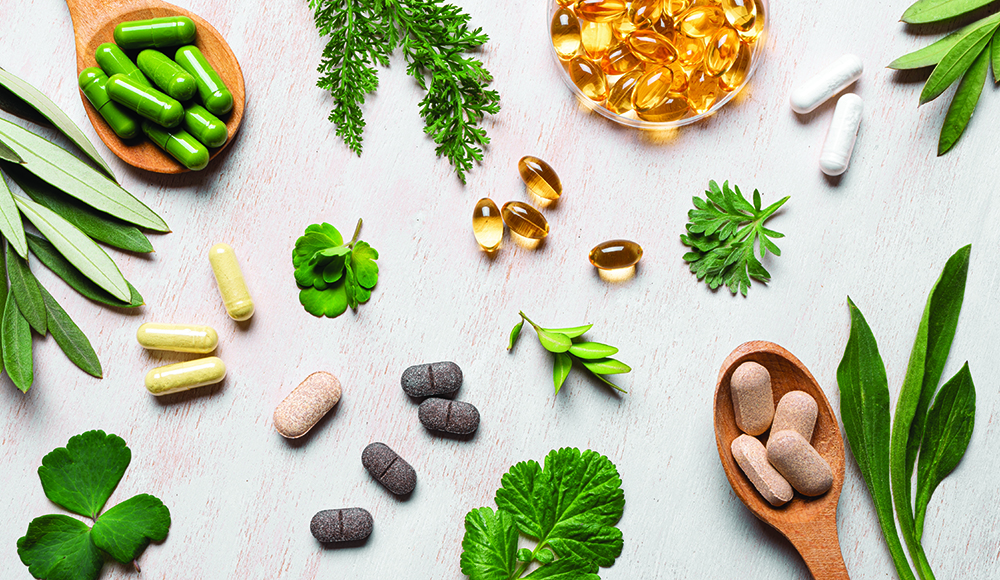
Step into any health food store and you’ll find shelves lined with capsules, powders and tinctures promising everything from sharper focus to better sleep and a stronger immune system. It’s an easy sell. Who wouldn’t spend an extra $20 for a shortcut to feeling better? As one marketing specialist told me, “these days people are opting for an aspirin over a treatment plan.”
Which explains why Americans spend tens of billions each year on supplements. But here’s the catch: for many of the trendiest products, the science hasn’t quite caught up with the marketing.
That doesn’t mean these ingredients are useless. Many come from long-standing herbal traditions and may offer subtle benefits. But subtle is the key. The bold claims on the label often greatly outpace what research can reliably prove. And in many cases, the same compounds exist, more naturally and affordably in foods you can find in the produce aisle.
Here are seven popular supplements that may not be worth the splurge.
Medicinal Mushrooms
From reishi lattes to lion’s mane capsules, “functional mushrooms” are having a moment. They’re marketed for everything from immune support to brain health.
But while early research is intriguing, there’s little evidence that powdered or encapsulated mushrooms deliver noticeable results. As one biochemist I spoke with put it, if you enjoy mushrooms in a stir-fry or soup, great, they’re nutritious. But the pricey powders may not live up to the hype.
Turmeric Capsules
Turmeric has earned its reputation as a powerful anti-inflammatory spice. The problem? Its active compound, curcumin, is notoriously hard for the body to absorb.
Supplement companies attempt to solve this by adding black pepper extract or other enhancers, but results are inconsistent. For most people, incorporating turmeric into cooking may be just as beneficial as taking a concentrated formula.
CBD (Cannabidiol)
CBD exploded onto the wellness scene almost overnight, promising relief for anxiety, pain and sleep issues. While there is some evidence supporting its use for specific medical conditions, the research behind many everyday wellness claims remains limited.
There’s also the issue of quality control. Studies have found that some CBD products contain inaccurate amounts of the compound. Until regulation catches up, it’s a buyer-beware category.
Ginkgo Biloba
Once hailed as a natural memory booster, ginkgo has been studied extensively for its potential to improve circulation and protect against cognitive decline.
Large studies haven’t found consistent evidence that it significantly improves memory or prevents dementia. While some users report feeling sharper, the overall scientific consensus is underwhelming.
Echinacea
Many people take it at the first sign of a sniffle, hoping to shorten the duration of illness.
But research is inconsistent. Some studies show a modest benefit, while others show no difference compared to a placebo. It’s not necessarily harmful, but it may not be the immune miracle it’s made out to be.
Green Tea Extract
Green tea itself is a wellness staple, rich in antioxidants and linked to a range of health benefits. But concentrated green tea extract, often marketed for weight loss, is another story.
The evidence for fat-burning effects is weak, and high doses have even been linked to liver issues in some cases. A simple cup of green tea may be the safer, more enjoyable choice.
Homeopathic Remedies
Perhaps the most controversial category, homeopathic remedies are based on the idea that extremely diluted substances can trigger healing.
The dilutions are so extreme that many products contain little to no measurable active ingredient. Large scientific reviews have found no convincing evidence that these remedies work beyond a placebo effec.
The Bigger Picture
It’s easy to get swept up in the promise of a quick fix, especially when it comes in a neatly packaged bottle. But the truth is, most of the heavy hitters for long-term health don’t come from a supplement aisle, or the medicine cabinet for that matter.
They come from daily habits.
A Mediterranean-style way of eating, rich in vegetables, healthy fats and whole foods. Regular movement, whether that’s a coastal walk, a yoga class or a weekend hike in Wilder Ranch. Consistent sleep. Time outdoors. Connection with others.
These aren’t flashy. They don’t promise an overnight transformation. But they’re backed by decades of research, and they work. And that kind of wellness doesn’t come with a label.
Elizabeth Borelli is a local wellness advocate and workshop teacher. To learn more about the Mediterranean Diet, benefits and recipes, visit ElizabethBorelli.com