Letter to the Editor: UCSC, Listen to the Community

A couple of years ago, the UCSC Chancellor convened a Community Advisory Group to advise about UCSC growth plans. The Group adopted a goal of “a binding commitment to housing 100 percent of net new on-campus student enrollment.โ€

Recently, UCSC published its Draft Environmental Impact Report (DEIR) for campus growth. The DEIR makes no legally binding commitment to house new students or staff. Instead, the DEIR states a goal for housing 100% of new students and up to 25% of new staff, with no consequences, such as freezing enrollment, should the goal not be reached. Community members understand what happens to lofty goals that are not enforceable. The campus growth plan of 1988 set a goal of housing 70% of undergraduates on campus. Over the years, UCSCโ€™s record of housing students on campus has stayed around 50%.  

Growing enrollment to 28,000 students means an even tighter housing market, stressing students and existing community members. Traffic will increase as more people travel longer distances to commute to where housing is less expensive. And according to student voices, a larger population will diminish the educational experience. Mindful of the many impacts of growth, 77% of Santa Cruz voters approved Measure U in 2018, which read: โ€œThere shall be no additional enrollment growth at UCSC beyond the 19,500 students allowed by the current 2005 LRDP.โ€  

UCSCโ€™s DEIR rejects the alternative of distributing enrollment at other campuses or a new campus on 500 acres of UC land at Fort Ord:  โ€œThe addition of another UC campus to the UC system is not considered feasible at this time, given State fiscal constraints.โ€  Yet somehow the DEIR doesnโ€™t find any fiscal constraint to the building of an additional 5.6 million square feet of building space on the UCSC campus. Thatโ€™s 1.5 times the building space that currently exists. 

The UC enrollment growth projections are puzzling given the latest projections of declining high school graduation rates conducted by the Western Insterstate Commission for Higher Education. Californiaโ€™s high school graduation rates are expected to peak in 2024 followed by a steady decline. By 2026, the number of high school graduates will be lower than the number who graduated in 2019.    

We need our City and County to be ready to take legal action if UCSC continues to proceed without addressing community concerns.

Rick Longinotti | Co-chair, Campaign for Sustainable Transportation 


This letter does not necessarily reflect the views of Good Times.

To submit a letter to the editor of Good Times: Letters should be originalsโ€”not copies of letters sent to other publications. Please include your name and email address to help us verify your submission (email address will not be published). Please be brief. Letters may be edited for length, clarity and to correct factual inaccuracies known to us. Send letters to le*****@*******es.sc

Letter to the Editor: Journalism Schools

Re: โ€œWorst School Week Everโ€ (GT, 2/10): Kudos for the enlightening article by Todd Guild on the PVUSDโ€™s latest board issues. It certainly was difficult to obtain any information about what was happening from any other news sources. His total journalistic approach to describing the situation was excellent.

Mike Malbon | Santa Cruz


This letter does not necessarily reflect the views of Good Times.

To submit a letter to the editor of Good Times: Letters should be originalsโ€”not copies of letters sent to other publications. Please include your name and email address to help us verify your submission (email address will not be published). Please be brief. Letters may be edited for length, clarity and to correct factual inaccuracies known to us. Send letters to le*****@*******es.sc

Opinion: The Complex Future of the Santa Cruz Mountains

EDITOR’S NOTE

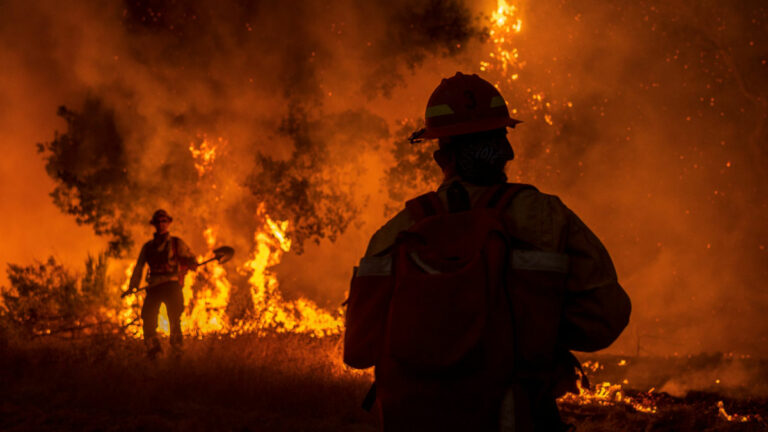
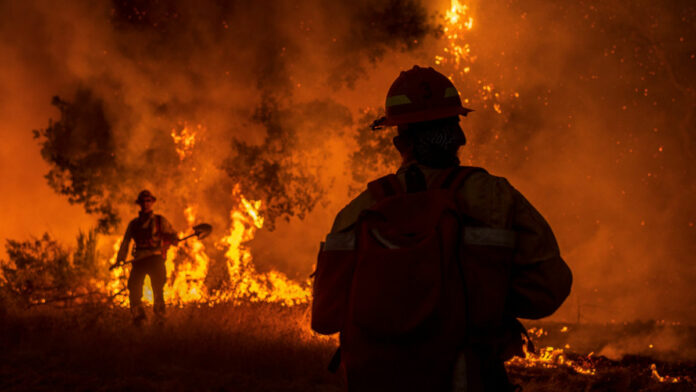
Itโ€™s going to take a long time to know all the long-term effects of the CZU Lightning Complex fire on the Santa Cruz Mountains and what they will mean for the future. But Liza Monroyโ€™s cover story this week opens with one family whoโ€”after evacuating their Boulder Creek home in the fire and being warned of the likelihood of mudslides that could force them to evacuate againโ€”felt they knew enough already. They packed it in and moved out of the area.

Last year, GT reported about the emerging phenomenon of climate refugees, but Monroyโ€™s story adds another level of nuance: How will the possibility of an area becoming a climate-change hot spot affect its community?

The answer, as Monroy reveals, is complex. There has always been a strong sense of place and identity within our mountain communities, and many residents are committed to staying. Some will undoubtedly wait to see just how much the cycle of wildfire danger and storm danger intensifies. And itโ€™s all complicated further by a huge boostโ€”which some readers will find surprising, given recent eventsโ€”in demand for Santa Cruz Mountains homes. This is a subject we are likely to be talking about for years, but our story this week is a fascinating snapshot of the conversation at a key moment in time.

ย 

STEVE PALOPOLI | EDITOR-IN-CHIEF


LETTERS TO THE EDITOR

Read the latest letters to the editor here.

ONLINE COMMENTS

Re: Losing the Monarchs

Although I applaud this article for bringing awareness around the plight of the western monarch, especially with regards to habitat destruction, it should be noted that Xercesโ€™ recommendations and thoughts about planting milkweed in coastal communities is opinion and not based on science. There is research being done on this subject and Xercesโ€™ opinion is considered somewhat controversial. Please consider offering another side to this before locals start ripping out their milkweed!

โ€” Adriana Gores

ย 


PHOTO CONTEST WINNER

A panel discussion on Diversity in Local Environmental Leadership

About this Event

We live in an incredibly diverse area, but local leadership in the environmental sector does not reflect this population. At this meeting we will hear from a panel of local environmental leaders from different backgrounds about their personal paths, and what they see as the challenges and opportunities in our region for increasing representation in environmental leadership.

Join our discussion with three inspiring local leaders:

Shanta “Shay” Franco-Clausen, who serves as director of the Santa Clara Valley Open Space Authority, Director of Gender and Equity Santa Clara County Central Democratic Committee and more.

Yiwei Wang PhD, Executive Director of San Francisco Bay Bird Observatory

Violet Saena, Resilient Communities Program Director

Submit to ph****@*******es.sc. Include information (location, etc.) and your name. Photos may be cropped. Preferably, photos should be 4 inches by 4 inches and minimum 250dpi.


GOOD IDEA

THREE DECADES OF THEATRE

The African American Theatre Arts Troupe (AATAT) at UCSC invites the public to a free online gala celebrating the troupeโ€™s 30th anniversary on Saturday, Feb. 20, 6-8pm. The event is open to the public and will feature national leaders of Black theatre, including award-winning theatre director Woodie King Jr. Those wishing to attend the gala must RSVP to ca***@**sc.edu by Wednesday, Feb. 17.


GOOD WORK

WORD OF MOUTH

Only 31% of Santa Cruz residents on Medi-Cal visited the dentist last year, but on Feb. 4, the county recognized four people who are working to improve that numberโ€”and overall oral health in low-income communities. These โ€œOral Health Heroesโ€ include former mayor and member of the Oral Health Access Steering Committee Cynthia Matthews; Alicia Fernandez and David Brody of First 5 Santa Cruz County; and writer, advocate, and dental hygienist Noel Kelsch.


QUOTE OF THE WEEK

โ€œSome people don’t like change, but you need to embrace change if the alternative is disaster.โ€

-Elon Musk

Rob Brezsnyโ€™s Astrology: Feb. 17-23

Free will astrology for the week of Feb. 17ย 

ARIES (March 21-April 19): Atheists like to confront religious people with accusations like this: โ€œIf God is so good, why does he allow suffering in the world?โ€ Their simplistic, childish idea of God as some sort of Moral Policeman is ignorant of the lush range of ruminations about the Divine as offered down through the ages by poets, novelists, philosophers and theologians. For example, poet Stรฉphane Mallarmรฉ wrote, โ€œSpirit cares for nothing except universal musicality.โ€ He suggested that the Supreme Intelligence is an artist making music and telling stories. And as you know, music and stories include all human adventures, not just the happy stuff. I bring these thoughts to your attention, Aries, because the coming weeks will be a favorable time to honor and celebrate the marvelously rich stories of your own lifeโ€”and to feel gratitude for the full range of experience with which they have blessed you. P.S.: Now is also a favorable phase to rethink and reconfigure your answers to the Big Questions.

TAURUS (April 20-May 20): Blogger Rachel C. Lewis confides, โ€œI love being horribly straightforward. I love sending reckless text messages and telling people I love them and telling people they are absolutely magical humans and I cannot believe they really exist. I love saying, โ€˜Kiss me harder,โ€™ and โ€˜You’re a good person,โ€™ and, โ€˜You brighten my day.โ€™โ€ What would your unique version of Lewisโ€™ forthrightness be like, Taurus? What brazen praise would you offer? What declarations of affection and care would you unleash? What naked confessions might you reveal? The coming days will be a favorable time to explore these possibilities.

GEMINI (May 21-June 20): Itโ€™s a good time to become more of who you are by engaging with more of what you are not. Get in the mood for this heroic exercise by studying the following rant by Gemini poet Adam Zagajewski (who writes in Polish), translated by Gemini poet Clare Cavanaugh: โ€œRead for yourselves, read for the sake of your inspiration, for the sweet turmoil in your lovely head. But also read against yourselves, read for questioning and impotence, for despair and erudition, read the dry, sardonic remarks of cynical philosophers. Read those whose darkness or malice or madness or greatness you canโ€™t yet understand, because only in this way will you grow, outlive yourself and become what you are.โ€

CANCER (June 21-July 22): Youโ€™re on the verge of breakthroughs. Youโ€™re ready to explore frontiers, at least in your imagination. Youโ€™re brave enough to go further and try harder than youโ€™ve been able to before. With that in mind, hereโ€™s a highly apropos idea from Cancerian novelist Tom Robbins. He writes, โ€œIf you take any activity, any art, any discipline, any skill, take it and push it as far as it will go, push it beyond where it has ever been before, push it to the wildest edge of edges, then you force it into the realm of magic.โ€ (I might use the word โ€œcoaxโ€ or โ€œnudgeโ€ instead of โ€œforceโ€ in Robbinsโ€™ statement.)

LEO (July 23-Aug. 22): In her story โ€œHomelanding,โ€ Margaret Atwood writes, โ€œTake me to your trees. Take me to your breakfasts, your sunsets, your bad dreams, your shoes. Take me to your fingers.โ€ Iโ€™d love you to express requests like that. Itโ€™s a favorable time for you to delve deeper into the mysteries of people you care about. You will generate healing and blessings by cultivating reverent curiosity and smart empathy and crafty intimacy. Find out more about your best allies!

VIRGO (Aug. 23-Sept. 22): Youโ€™re about to reach the end of your phase of correction and adjustment. To mark this momentous transition, and to honor your ever-increasing ability to negotiate with your demons, I offer you the following inspirational proclamation by poet Jeannette Napolitano: โ€œI donโ€™t want to look back in five yearsโ€™ time and think, โ€˜We could have been magnificent, but I was afraid.โ€™ In five years, I want to tell of how fear tried to cheat me out of the best thing in life, and I didnโ€™t let it.โ€

LIBRA (Sept. 23-Oct. 22): Itโ€™s not a good time for you to be obsessed with vague abstractions, fear-based fantasies and imaginary possibilities. But it is a favorable phase to rise up in behalf of intimate, practical changes. At least for now, I also want to advise you not to be angry and militant about big, complicated issues that you have little power to affect. On the other hand, I encourage you to get inspired and aggressive about injustices you can truly help fix and erroneous approaches you can correct and close-at-hand dilemmas for which you can summon constructive solutions.

SCORPIO (Oct. 23-Nov. 21): โ€œThe most beautiful things are those that madness prompts and reason writes,โ€ declared author Andrรฉ Gide. As a writer myself, I will testify to the truth of that formulation. But what about those of you who arenโ€™t poets and novelists and essayists? Hereโ€™s how I would alter Gideโ€™s statement to fit you: โ€œThe most beautiful things are those that rapture prompts and reason refines.โ€ Or maybe this: โ€œThe most beautiful things are those that experimentation finds and reason uses.โ€ Or how about this one: โ€œThe most beautiful things are those that wildness generates and reason enhances.โ€ Any and all of those dynamics will be treasures for you in the coming weeks.

SAGITTARIUS (Nov. 22-Dec. 21): The poet Nayyirah Waheed has some advice I want you to hear. She writes, โ€œBe easy. Take your time. You are coming home to yourself.โ€ I will add that from my astrological perspective, the coming weeks will indeed be a time for you to relax more deeply into yourselfโ€”to welcome yourself fully into your unique destiny; to forgive yourself for what you imagine are your flaws; to not wish you were someone else pursuing a different path; to be at peace and in harmony with the exact life you have.

CAPRICORN (Dec. 22-Jan. 19): โ€œThe chief object of education is not to learn things but to unlearn things,โ€ wrote author G. K. Chesterton. He was exaggerating for dramatic effect when he said that, as he often did. The more nuanced truth is that one of the central aims of education is to learn things, and another very worthy aim is to unlearn things. I believe you are currently in a phase when you should put an emphasis on unlearning things that are irrelevant and meaningless and obstructive. This will be excellent preparation for your next phase, which will be learning a lot of useful and vitalizing new things.

AQUARIUS (Jan. 20-Feb. 18): Sergei Rachmaninoff (1873โ€“1943) ultimately became one of the 20th centuryโ€™s most renowned composers. But his career had a rough start. Symphony No. 1, his first major work, was panned by critics, sending him into a four-year depression. Eventually he recovered. His next major composition, Piano Concerto No. 2, was well-received. I donโ€™t anticipate that your rookie offerings or new work will get the kind of terrible reviews that Rachmaninoffโ€™s did. But at least initially, there may be no great reviews, and possibly even indifference. Keep the faith, my dear. Donโ€™t falter in carrying out your vision of the future. The rewards will come in due time.

PISCES (Feb. 19-March 20): Ancient Greek playwright Euripides was popular and influentialโ€”and remains so to this day, 2,400 years later. But thereโ€™s a curiously boring aspect in five of his plays, Andromache, Alcestis, Helen, Medea and The Bacchae. They all have the same exact ending: six lines, spoken by a chorus, that basically say the gods are unpredictable. Was Euripides lazy? Trying too hard to drive home the point? Or were the endings added later by an editor? Scholars disagree. The main reason Iโ€™m bringing this to your attention is to encourage you to avoid similar behavior. I think itโ€™s very important that the stories youโ€™re living right now have different endings than all the stories of your past.


States Are Expanding Access to Vaccines. The Supply Isnโ€™t Keeping Up.

By Lucy TompkinsMelina DelkicKaren Zraick and Daniel E. Slotnik

Racing to ramp up COVID-19 vaccinations, states have opened mass inoculation sites and expanded eligibility. But a big problem remains: The supply isnโ€™t increasing quickly enough.

The United States, facing a growing threat from more contagious and possibly deadlier virus variants, is gradually administering more doses every day, now up to an average of about 1.7 million, according to a New York Times database.

But states are also steadily widening access beyond the most vulnerable groups, front-line health care workers and nursing home staff and residents. Now, some state officials say they would be ready to administer thousands more shots every day โ€” if they could get them.

New York state has used close about 85% of its first and second doses, Gov. Andrew Cuomo said Monday, but is forging ahead to expand eligibility to people with underlying health issues. He said his state would be vaccinating more people if it had more doses.

On Sunday, the first day that appointment sign-ups opened for New Yorkers with chronic health conditions, tens of thousands flooded websites and many were left waiting for appointment openings. Still, state officials said that they considered the expansion a success. They said that 250,924 people had successfully made vaccination appointments Sunday, more than any single day since the registration system was introduced in mid-January.

Those who are now eligible include adults who have certain health conditions that may increase their risk of severe illness or death from the coronavirus. Aside from obesity and hypertension, other conditions that qualify New Yorkers for the vaccine include pulmonary diseases and cancer, Cuomo said this month. He also made pregnancy a qualifying condition.

The expansion comes as concern grows about new variants circulating. In an interview with โ€œAxios on HBOโ€ that aired Sunday, Dr. Anthony Fauci, President Joe Bidenโ€™s chief medical adviser, warned Americans not to become complacent as more people are vaccinated.

โ€œWe still might have a stumbling block coming with the appearance of variants that would dominate the picture,โ€ he said.

U.S. officials have said that the more contagious virus circulating in Britain, B.1.1.7, could become dominant in the United States by March. British government scientists are increasingly finding that variant to be linked to a higher risk of death.

Coronavirus vaccines appear to protect against B.1.1.7, but are less effective against the B.1.351 variant, which has become dominant in South Africa.

Last week, California announced that it would soon become one of just a handful of states to expand vaccine access to people of any age with underlying health issues or severe disabilities. But supply is short.

The mass vaccination site at Dodger Stadium shut over the weekend because Los Angeles had exhausted its supply, Mayor Eric Garcetti said. He said the city received just 16,000 doses last week โ€” roughly a dayโ€™s worth.

โ€œWhen vaccines do get to Los Angeles, we know how to administer them,โ€ Garcetti told reporters. โ€œWe have a great infrastructure set up, of amazing people, and we will give them to folks efficiently and safely. But the problem is, we still arenโ€™t receiving enough doses soon enough.โ€

Officials in Georgia say constrained supply is getting in the way of expanding eligibility. When the Atlanta Board of Education called on Gov. Brian Kemp earlier this month to make teachers eligible for vaccinations, the governor said the state was not getting enough doses for residents who were already eligible.

Many districts around Atlanta, he said, had stopped scheduling new vaccine appointments because federal deliveries were falling so far short of the demand.

Experts say expanding eligibility requires a delicate balance of prioritizing those most at risk and ensuring doses do not go to waste.

โ€œI donโ€™t think anyone would want to be the person to receive the vaccine at the expense of someone else who is higher risk,โ€ said Dr. Sarita Shah, a public health researcher at Emory University in Atlanta.

Dr. Michael Osterholm, director of the Center for Infectious Disease Research and Policy at the University of Minnesota, said expanding eligibility too quickly could backfire. โ€œPeople are going to be angry when they are promised a second dose and donโ€™t get it on time,โ€ he said.

Some experts, like Dr. Robert Murphy, director of Northwesternโ€™s Institute for Global Health, have called for more flexibility for places that have already vaccinated their most vulnerable residents.

โ€œI think the dangerous thing is some places are too regimented with the current rules,โ€ Murphy said. โ€œIf youโ€™ve got an extra 50 vials, thatโ€™s 500 doses, and nobody is coming, and this thing is going to expire in a matter of days or weeks โ€” give it out.โ€

Copyright 2021 The New York Times Company

California Shifts Vaccine Priorities Again: People with Health Conditions Are Eligible Next Month

Lea este artรญculo en espaรฑol.

Californians with high-risk medical conditions will qualify for COVID-19 vaccines starting March 15, the stateโ€™s health secretary announced Friday.

Under the stateโ€™s previous guidelines, people with chronic conditions did not qualify for vaccinations until people 65 and older, first responders, food industry workers and educators were vaccinated.

Under the new guidelines, people ages 16 to 64 with serious health conditions โ€” such as heart, lung or kidney disease, diabetes, cancer and weakened immune systems โ€” or with disabilities will join older Californians and some essential workers beginning March 15.

State officials estimate that group could number between 4 and 6 million people, bringing the total number of vaccine-eligible Californians next month to between 17 and 19 million.

The move is โ€œconsistent with our response focused on saving lives, focused on promoting equity and, of course, getting to the other side of the pandemic,โ€ Dr. Mark Ghaly, Californiaโ€™s secretary of health and human services, said at a press briefing Friday. 

Ghaly said delaying it for a month will allow the state to build its vaccine supply, develop ways to determine eligibility and figure out how to reach people who are homebound.

Disability advocates had mixed reactions to the stateโ€™s changing priorities. 

โ€œThe explicit inclusion of people with high risk disabilities is a welcome change in the administrationโ€™s position, but the piecemeal recognition of people with high risk health conditions, the failure to acknowledge the elevated exposure and health risks of Medi-Cal beneficiaries who need home and community-based services in their homes, and the unexplained delay until March 15 are disappointing for all, and will be deadly for some, people with disabilities,โ€ said Silvia Yee, senior staff attorney for the Disability Rights Education and Defense Fund.

Advocates had criticized Gov. Gavin Newsom for failing to prioritize some of Californiaโ€™s most vulnerable residents, saying he was sacrificing equity for speed.

The move comes as California speeds its previously sluggish pace of COVID-19 immunizations. More than 5.5 million doses have been administered to date, more than any other state. While California earlier ranked at the bottom of all states for its immunization rates, it now ranks 21st, according to federal data.

The newly eligible groups may be immunized by their medical provider or at mass vaccination clinics if their health permits, Ghaly said. Doctors will have discretion to vaccinate high-risk people who do not fall into the categories set by state officials.

California until last month had included people with disabilities or medical conditions in the same priority group as Californians between the ages of 65 and 74. They were listed in the tier just behind people aged 75 and older. But then the state moved to prioritize vaccinations primarily by age, targeting those 65 and older. That meant medically vulnerable people were left behind. 

State officials have listed the severe conditions in an advisory for providers, including:

  • Cancer, current with debilitated or immunocompromised state
  • Chronic kidney disease, stage 4 or above
  • Chronic pulmonary disease, oxygen dependent
  • Down syndrome
  • Immunocompromised state (weakened immune system) from solid organ transplant
  • Pregnancy
  • Sickle cell disease
  • Heart conditions, such as heart failure, coronary artery disease, or cardiomyopathies (excludes hypertension)
  • Severe obesity (body mass index โ‰ฅ 40 kg/m2)
  • Type 2 diabetes mellitus with hemoglobin A1c level greater than 7.5%

The federal Centers for Disease Control recommends that people with underlying conditions receive the vaccine alongside those aged 65 to 74. But states are allowed to adjust those priorities. 

Other states vary in how they prioritize people with health conditions.

New York started vaccinating people with high-risk conditions, including pregnancy and developmental disabilities, on Monday. Florida currently vaccinates people considered by hospital providers to be โ€œextremely vulnerableโ€ to COVID-19 along with those 65 and older. In contrast, Kansas has placed people under 65 with high-risk conditions behind people 65 and older, prisoners and those living in โ€œcongregate settingsโ€ that arenโ€™t nursing homes. 

CalMatters COVID-19 coverage, translation and distribution is supported by generous grants from the Blue Shield of California Foundation, the California Wellness Foundation and the California Health Care Foundation.

CalMatters.org is a nonprofit, nonpartisan media venture explaining California policies and politics.

Disasters, Evacuations Don’t Slow Santa Cruz Mountains Housing Market

On a sunny afternoon back in early December, Zoe Banks, a mother of two who works in communications, sent a prescient text to a friend in Boulder Creek. โ€œSad to let you know weโ€™re moving out of the area,โ€ she wrote. โ€œCome for the fires, stay for the debris flow just isnโ€™t on my mood board for 2021.โ€

After evacuating during the CZU Lightning Complex fire, and concerned about landslides following rains, Banks and her family put their home across the street from Boulder Creek Elementaryโ€”where she had envisioned sending her children to schoolโ€”on the market. 

โ€œWhen we bought the house I remember thinking, โ€˜Are we crazy to buy in the mountains right now?โ€™ But it was two blocks from the fire station, and built in 1863. It stood this long. Neighbors said, โ€˜Itโ€™s close to the fire department; youโ€™ll probably be fine.โ€™โ€

Structurally, it is. The burn scar has not led to the debris flow that local officials fearedโ€”yet. But evacuating the CZU fire left emotional scars that couldnโ€™t be reconciled. 

Banks remembers searching online from their temporary landing pads in Capitola and then Reno during the fire to see if their house was still there, and the difficulty that came with this uncertainty. โ€œEvery time thereโ€™s an evacuation, youโ€™re checking Nextdoor and Facebook, hearsay, to try and see if the house is still standing, if thereโ€™s debris flow โ€ฆ  I donโ€™t have it in me to keep putting my family through that,โ€ she says. Living with her husband, mother, two toddlers and pets, not to mention dealing with all of this during a pandemic, made the thought of another evacuation just too much. 

โ€œLooking ahead, do I want to do this all season long? The risk [of debris flow] is there for two to five years,โ€ she says. She remembers being particularly disturbed by an L.A. Times article that predicted โ€œthese mountains could turn to jelly.โ€

โ€œWhether there is a risk or not changes depending on who you talk to,โ€ Banks says. โ€œIf debris flow wasnโ€™t a thing, weโ€™d still be there. We planned to raise our kids there.โ€

Banks looked at a map of the U.S., thinking, โ€œWhere can we go where we wonโ€™t be at risk of debris flow, wildfires, hurricanes or tornadoes?โ€ and landed on Tucson, Arizona.

โ€œNo trees, no earthquakes, houses made of bricks,โ€ she says.

 The family hit the road, toddlers and chickens in tow.

Boulder Creek Fire Chief Mark Bingham admits that with the lack of mudslides after the most recent storms, โ€œwe dodged a bullet.โ€ 

โ€œThe weather moved off the Santa Cruz Mountains, where it was projected to hit hard. Salinas and Monterey had weather events we avoided,โ€ he says.

Though Bingham emphasizes heโ€™s โ€œnot a weather expert by any means,โ€ he is deeply familiar with the area and its ecosystem, having grown up in Ben Lomond and moved to Boulder Creek at the age of 18. As both a first responder and resident, what heโ€™s seeing now is different from what he remembers, a time when the rains began around Halloween and continued through Marchโ€”the classic mild, wet winter of Mediterranean climates.

โ€œIt doesnโ€™t seem to be that predictable anymore,โ€ he says. Rains arrive less frequently and in higher concentrations. Binghamโ€™s inclination from โ€œgrowing up here and talking with local and national weather folksโ€ is that the rains we could see will likely be โ€œinfrequent but heavy and major showers.โ€

In terms of risk to local residents and structures, what happenedโ€”or in this case, didnโ€™t happenโ€”during the last storm canโ€™t be seen as a predictor of what may happen in the future. 

โ€œThe recent storm met or exceeded the debris flow rainfall intensity thresholds in some (but not all) areas in the burn scar,โ€ Santa Cruz County Geologist Jeffrey Nolan tells GT via email, โ€œbut no debris flows were observed. The existing models arenโ€™t well calibrated to the local area, so there was always some question as to how accurate the rainfall thresholds would be.โ€

As rainfall thresholds are reassessed, Nolan points to a partial reason the region escaped the dreaded debris flow this time around: โ€œThe ground was very dry prior to this recent storm, and the mountains soaked up the rainfall like a sponge.โ€  With the ground already wet, though, โ€œit is possible that the future storms will produce a different result.โ€ Nolanโ€™s expectation, given changing weather patterns, โ€œis to see more fire seasons like last summer going forward.โ€

New Reality

Because of that, the Boulder Creek Fire Protection District is preparing not only for the fires, but also the ongoing threat of debris flow in the aftermath.

โ€œItโ€™s a new discipline, a new type of rescue a lot of agencies havenโ€™t been trained to do,โ€ Fire Chief Bingham says. โ€œWeโ€™ve had a couple of historical events where large pieces of land move. Human factors created those situations. The fire created this one. Itโ€™s a different picture, a larger and broader area. We saw that weโ€™d better gear up for it. We gathered experts from around the United States: Southern California, the Anchorage [Alaska] Fire Department, the East Coast, to train all the Boulder Creek firefighters.โ€

In addition to training, new equipment is arriving at the station: dry suits, chest waders, Tyvek suits, โ€œso we can layer up and down for whatever the operational need is, practicing how we would access, climb over or through a mudslide or debris flow once it stopped movingโ€”a training experience we havenโ€™t tackled before.โ€ Four wheel drive and high-water vehicles have been procured, with sufficient clearance underneath to climb over mudflows that Type 1 Fire Engines could not. And emergency responders are training with K-9 teams, as dogs can cover โ€œa lot more groundโ€ during a rescue effort. 

Technology also aids in preparation and response: easy access to zone mapping online for residents, map editing and creating, and QR codes for maps to quickly orient responders coming from out of the local area. โ€œIf a neighborhood moved down and over, weโ€™d be able to say where it should be, it shifted and moved down over here,โ€ for search and rescue, Bingham explains. 

In this massive effort, Bingham appreciates all the agencies that have pulled together and the resources and time to plan for the threat of debris flow prior to an emergency situation. โ€œA lot of events you could plan for,โ€ he says, โ€œbut how many have scientific data with a high probability of happening?โ€

Residents are undertaking and aiding in preventive efforts, too, shoveling sand into bags the fire department provided and delivering these to three different sandbag bunker locations in the district, which are open to the public. โ€œWeโ€™ve gone through six thousand bags,โ€ Bingham says. โ€œThatโ€™s the mountain folks being proactive, taking care of their land.โ€

Binghamโ€™s advice for his neighbors, primarily, and above all: โ€œIf we make an evacuation order, we hope every resident would heed it.โ€

UNINSURED FUTURE

Some residents like Banks may have had enough, but Santa Cruz Redwood Homes realtor Logan Andren has seen that an influx of homebuyers to the Santa Cruz Mountains has not been discouraged, even as insurance is harder to come by. 

โ€œIโ€™ve seen stories on Boulder Creek Neighbors, the Facebook community we have up here, always on top of things and willing to lend a hand, of private insurance companies cancelling coverage and refusing to cover new homes,โ€ Andren says. โ€œI just purchased a small home, and had to go with the California FAIR plan to cover fireโ€”an insurance association that offers coverage to high-risk homeowners and renters in the stateโ€ who have trouble obtaining it otherwise.

โ€œInventory is low and weโ€™re in a sellerโ€™s market with limited competition,โ€ Andren adds, with interest rates at historic lows and โ€œmany people working from home indefinitely.โ€ Andren has continued to see many โ€œwho have high-tech jobs up northโ€”Palo Alto, San Jose, Campbell, Redwood Cityโ€ moving to the Santa Cruz Mountains for the โ€œability to own a home for half to a third of what they would be paying in Silicon Valley.โ€ He points to the recent repaving of Highway 9 to Saratoga, with low commute-time traffic even pre-Covid, with its scenic commute as a further allure. A Felton home received 10 offers in a week, sold for above list price, all cash, close to $900,000, Andren says. โ€œFires and rain have not deterred them.โ€

Itโ€™s a phenomenon Banks experienced firsthand. She received two offers above asking price even though the first week the house was for sale there was no power, and mandatory evacuation was ordered in the second week. A neighborโ€™s house, she says, sold in four days. Banks understands the appeal. โ€œItโ€™s a desirable place to live if you can navigate those threats,โ€ she says. โ€œBut Iโ€™m not willing to gamble my kidsโ€™ or momโ€™s safety, so if they say evacuate thatโ€™s what Iโ€™m going to do.โ€

Realtors are required to disclose if listings are in wildfire and debris flow zones, Andren says. โ€œHomes below burn scars tend to be prevalent to mudslides,โ€ he says, โ€œand since so many trees were destroyed, those root systems that were holding up hilly areas have been compromised.โ€ Andren also explains to prospective buyers the regular upkeep those moving in from more urban areas probably havenโ€™t had to deal withโ€”โ€œfrom blowing the roof to getting the septic system pumped every three to five years.โ€

In It For the Long Term

One such Boulder Creek resident, Roopam Lunia, moved to the area in July 2020 with her husband and toddler during a high-risk pregnancy and got what she calls โ€œa crash course in what can go wrong in the mountains in six monthsโ€โ€”heat waves, power outages and fires. Neighbors who had lived in Boulder Creek for 40 years, Lunia says, told her they had never seen anything like it before. โ€œWe were probably pretty naรฏve when we moved to the area,โ€ she says. โ€œWe were living in Silicon Valley, and weโ€™d been looking for four years. We wanted to live here.โ€

Previously in an apartment, Lunia wanted land and space to raise a family, and had always loved the mountains. When Covid-19 hit and her husband began working from home, he didnโ€™t have to be close to his workplace. โ€œWe started looking, the house popped up, it had been on the market for a while, and we moved,โ€ Lunia says. 

A month and a half later, the heat wave hit. โ€œI was pregnant, we had no air conditioning, it was 110 degrees outside. I thought, โ€˜This isnโ€™t going to be as easy as we thought it was going to be.โ€™ That was the first challenge we had.โ€           

Then came the fires. โ€œI saw fire hit 236 at Big Basin and started packing a bag. Within a couple hours, we had to go.โ€ They ultimately stayed with family in Fresno. Luniaโ€™s house was safe on the opposite side of the scar zone. Soon, โ€œwinter hits, we have power outages, rainstorms. Weโ€™re not in the debris flow zone, weโ€™re on the opposite side of the river on the east, but neighbors told us about the possibility of the river jumping its banks, and at eight-and-a-half months pregnant, we didnโ€™t want that to happen.โ€ They again evacuated to Fresno, grateful for having family relatively close by.

โ€œIt seems now as if weโ€™re okay,โ€ she says. โ€œWhen we moved in, neighbors told us, โ€˜Clear out the fire hazards and get an alternate power source.โ€™ We got the property cleared and invested in solar since weโ€™re in this for the long term; we figured put money in now and make sure it works out. Our next thing is going to be getting an air conditioning unit put in because of last summer. We werenโ€™t expecting that heat.โ€ Lunia and family are taking it in stride. โ€œThe 5% of the time when it hits the fan, you have to roll with those storms, go with it.โ€

The silver lining in it all has been neighbors banding together. โ€œI know more people out here in seven months than 10 years in Silicon Valley. The neighborhood comes together to support one another and make sure everyone has what they need to get through everything.โ€

Even though they havenโ€™t been able to meet in person because of Covid-19, Lunia cites the amount of support and fear-assuaging her neighbors have provided online, such as offering to take her in their four-wheel drive if the bridge washed out when she had to get to the hospital to have the baby. They happily answer mountain-newbie questionsโ€”โ€œโ€˜Is this rain normal? Is 10 inches okay?โ€

โ€œWe listen to the chatter of the local Facebook group to find out whatโ€™s going on,โ€ Lunia says. โ€œRoad closures, trees downโ€”you rely on people, and thatโ€™s a change that suits us really well.โ€ 

Itโ€™s a responsive group. A post soliciting experiences for this article to the same Boulder Creek Facebook community Andren and Lunia mention yielded a slew of rapid responses from residents both current and former, longtime and new. Their stories spanned generations, from those with deep roots in the region to the most recent arrivals. They shared why they left or chose to stay put. Some had recently bought homes, others lost longtime family properties to fire. One couple still plans to buy instead of rent when they can afford it. Another who left longs to return, saying she left her heart in the mountains. While it would be impossible to include every story here, the compendium provides a testament to a community grappling with unprecedented threats from nature and becoming even more tight-knit in the face of it all: wildfires, heat waves, heavy rainfalls, potential debris flow, and other events that are, based on what experts have said, only likely to increase in frequency over time.  

Training Days

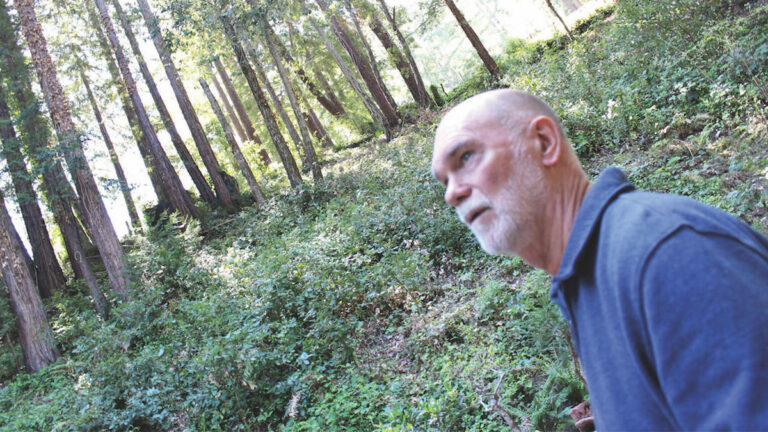
What restoration ecologist Dr. Grey F. Hayes would like to see for these residentsโ€”along with more normal-times maintenance tasks like roof-blowing and septic-system pumpingโ€”is specific training on what living in wildfire and potential debris flow zones entails, and modes of responding. โ€œThe central tenet is to have people become indigenous to where they are living,โ€ he says.

Recent debris flow evacuations โ€œwent a little broader than they needed to,โ€ Hayes believes, in the wake of some of the fire evacuation orders coming too late. โ€œSafety first, though,โ€ he says.

The longtime North Coast resident, who lectures on land restoration and management at UCSC and publicly at the MAH (though those are currently on pause during Covid-19), points to the 2018 Montecito mudflows and cultural memory of the 1982 Love Creek landslide in Ben Lomond that killed 10 people as precedents for the degree of caution being taken now, along with governmental constructs like โ€œevac periodsโ€™โ€ to decide what to do.

โ€œI make it my central focus to think about how people live on the land and respond to these kinds of things,โ€ he says.

Hayes did not evacuate his home to the west of Boulder Creek, a few miles inland from Davenport, during the CZU Lightning Complex fire. But he is uniquely equipped to deal with these catastrophes. Itโ€™s a story he has documented in harrowing detail, replete with a timeline and photographs, in a post titled โ€œCZU Lighting Fire Recapโ€ at Molino Creek Farmโ€™s website. Still, Hayes is reluctant to share his story out of concern that people without his background in fire and ecology might attempt similar feats: โ€œI stayed put for the fire and protected my house, but it wasnโ€™t in isolation,โ€ he says. โ€œI had a plan. My knowledge was backed up by the Bureau of Land Management fire chief and others who said, โ€˜You know what youโ€™re doing.โ€™ Do you stay or do you go? Itโ€™s dangerous stuff. People have egos that extend beyond their skill level.โ€

Hayes has trained with Cal Fire and worked on prescribed burns as a natural steward for UCSC, so was prepared for worst-case scenarios. Ultimately, he and a neighbor saved most of the structures on the property.  

But it didnโ€™t come without cost, either. His shoulder still hurts from dragging the fire hose. His partners in fighting the fire struggle with PTSD.

Still, he says, we must learn to live with the particularities of a Mediterranean climateโ€”atmospheric rivers, dry summersโ€”which are particularly conducive to wildfires. Hayes compares Cal Fireโ€™s operations to being โ€œright up there with Australian and South Africanโ€ firefighting forces, not coincidental as โ€œMediterranean climates are fire climates.โ€  

The large-picture issues are both environmental and systemic. Making conservative decisions about zoning and permitting isnโ€™t part of a capitalist reality. Besides, โ€œhumans increase fire frequency wherever we go,โ€ Hayes says. 

Solutions, Hayes says, rely on mitigation strategies now. โ€œIf we want any trees,โ€ he says, the focus should be on landscape-level management, including โ€œprescribed burns and physical labor to manipulate fuels, so when fires come itโ€™s not as bad.โ€ On the individual level, he suggests โ€œtraining people to shelter in placeโ€ and for โ€œreacting to fire, doing prescribed fire,โ€ as the best course forward. 

โ€œWe need to become as indigenous as the native peoples were here. Native Americans would have known how to adapt to episodic disasters. Weโ€™re not there yet. We as a society should be smart toward reorienting people for safer lives,โ€ says Hayes. That includes paying for relocation of those in the path of debris flow, and making zoning changes, he says.

Hayes mentions the Central Coast Prescribed Burn Association as a potential avenue for community involvement in mitigation. As described in a late-December 2020 Facebook post on the Resource Conservation District of Monterey County page, this project of the University of California Cooperative Extension in San Benito County, assisted by the Resource Conservation District of Monterey County, is โ€œa new prescribed burning association โ€ฆ starting with some smaller prescribed fires and will hopefully build to larger, community-driven burns over time.โ€

Now settled in Tucson, Banks can put wildfire out of her mind, but she does anticipate feeling more heat. โ€œSummer will be brutal,โ€ she says, providing a reminder that nowhere, climatologically, gets off scot-free. โ€œIt might be 120 degrees.โ€

While there is no perfect place from which to face down the effects of climate change, and the lifelong Californian calls it โ€œheartbreakingโ€ to have left, โ€œthe relief of not having those worries in the background every time it rains โ€ฆ itโ€™s a nice feeling to not have to be thinking about that in an existential way.โ€ 

Aptosโ€™ Kelsey Ferrellโ€”aka Feralโ€”Gets Brutally Honest on New Songs

0

While attending UC Berkeley, Aptos native Kelsey Ferrellโ€”who releases music under the name Feralโ€”wrote a song about a guy she was casually dating. He heard about it and immediately assumed she was head over heels for him. And he made sure that anyone he talked to knew that she was obsessed with him.

She was not obsessed with him. Heโ€™d been more of a literary device for the song than anything else. In fact, Ferrell hadnโ€™t been impressed with most of the guys she dated in college. After ending a long-term high school relationship, she felt excited about being single again. Her friends told her how much fun she was going to have.

โ€œI was like, so unbelievably disappointed by the kind of guys I was seeing. And it was just astounding to me that the bar was that low, and I had bought into this branch of feminism that promoted a โ€˜sex-positive culture,โ€™ which I think started with good intentions, but ultimately is a naive take,โ€ Ferrell says.

But that one guy in particular got under her skin, and she thought about what she would say to him if she ever confronted him. A refrain circled in her head: โ€œYou donโ€™t matter that much/Youโ€™re not the only loser that I fucked.โ€ This inspired โ€œLoser,โ€ a full-on rebuttal song to this guy, and all the other guys too arrogant to see what poor dating options they were.

โ€œItโ€™s like the perfect thing I would say if I had to talk to him again,โ€ Ferrell says.

โ€œLoserโ€ is a feel-good, snarky rock โ€™nโ€™ roll song in the vein of early Liz Phair. Ferrell released it at the beginning of the year, and dropped its follow-up, โ€œNative Speaker,โ€ on Valentineโ€™s Day. Sheโ€™ll release a third single, โ€œChurch,โ€ on March 26.

Aside from a batch of โ€œquarantine demosโ€ she released in the early portion of the pandemic out of sheer boredom, these are the first Feral releases since her Trauma Portfolio LP back in 2018.

In March, at the beginning of lockdown, she moved back to her parentsโ€™ house in Aptos and finished her schooling online. She recorded these three new songs with Jim Greer at the Rondo House studio in Berkeley in November. They are some of her strongest and best-produced songs to date, a mix between rock, folk, and alternative, performed with a bit of grit.

โ€œLoserโ€ is also one of her funniest tracks, with such lines as, โ€œTelling me Joe Roganโ€™s genius doesnโ€™t make me wanna suck your penis.โ€ These kinds of punchlines arenโ€™t new; her music always had had a sense of humor mixed with blunt vulnerability. She likes to tell people her genre is โ€œTMI,โ€ and that, โ€œIโ€™m not just an open book, Iโ€™m an open wound.โ€

Ferrell started playing music at a young age, but when she began college, she dove headfirst into songwriting, dealing with her recent heartbreak by joining a songwriting club.

โ€œI just needed to express myself somehow,โ€ she says.

During a semester at the University of Sussex in Brighton, England, in early 2019, she tried her hand at stand-up comedy and loved it.

โ€œI was nervous because it seems like much higher stakes. At least with music you can hide behind your guitar. But stand-up comedy, if you donโ€™t make them laugh, youโ€™re a total failure,โ€ Ferrell says. โ€œI figured, โ€˜If this goes badly, I can just leave the country.โ€™โ€

Her new songs are her funniest yet. When she started to work with Greer on โ€œLoser,โ€ he suggested she write more jokes into it. She agreed.

As of now, Feral is a one-woman project, though that could change at some point if she could find her perfect riot grrl band to back her. But for now, sheโ€™s going to continue to dig her soul for honest, vulnerable, funny and perhaps inappropriate songs.

โ€œI do want to give credit to Liz Phair and Alanis Morissette for setting the pathway for women to be able to sing about these topics,โ€ Ferrel says. โ€œI just want to give them credit for paving the way so that I can, you know, even feel comfortable writing these kinds of songs.โ€ย ย 

For more information, check out Ferrell on Spotify or at 2feral.bandcamp.com.

A Visit to the Farmersโ€™ Market Lifts the Spirits on Winter Days

On a crisp February day, our farmersโ€™ markets still bustle and crackle with good vibes and an abundance of seasonal harvests.

Granted itโ€™s not May, but it will be soon. Meanwhile, I can see my neighbors over the long tables of citrus and pomegranates. Lots of green things, kale, brussels sprouts, spinach, and root crops flourish right now. Think beets and carrots and potatoes.ย 

Chicories from Blue Heron and fennel from Live Earth. Mandarins from Dirty Girl. Blackberries, gorgeous crimson radishes. Colorful bags of shell beans from Pescaderoโ€™s Blue House Farm. Huge jars of organic olives from Good Faith Farm. And all manner of tangy prepared foods from preserves to chutneys. Come hungry, and youโ€™ll find amazing items like chile rellenos and fresh-grilled naan, ready for you to grab and eat whilst strolling through the market.

The live music here goes a long way to lifting spirits tired of hunkering down. Great coffee and fresh pastries exert their siren song. We respond. I spotted a table of fresh-made charcuterie and soups from Home, and was tempted by a huge jar of bolognese sauce from the hand of Brad Briskeโ€™s Home team. Companion Bakeshop loaves perfume the air, along with the endless quiches of Adorable French Bakery

The farmersโ€™ market feels safe and secure these days, with clearly marked lines, entrances and exits, and masks and social distancing requirements. There are so many fresh surprises, especially at the largest Downtown Farmersโ€™ Market on Wednesdays. By now you have your own favorite reasons to go and find ingredients for your home cooking. Flowers will be there soon! 

For a complete schedule of all our local markets, go to santacruzfarmersmarket.org.ย 

More Pandemic Dining Pro-Tips

What we do to keep things both fresh and manageable at home is to hit the aforementioned farmersโ€™ market for seasonal veggies, with an eye to creating a big pot of stew or soup. Stew is the perfect cold weather foodโ€”my go-to trio of recipes are sausage and bean stew, chile verde, and chicken and cannellini bean with kale. Fresh carrots and canned whole tomatoes go in everything! 

We dine on stew along with salad of fresh greens from the market one night, then freeze enough for two more nights (in four containers). I mix it up by getting takeout entrees from our favorite restaurants a few nights a week, often adding one of our own salads. Once a week weโ€™ll get a piece of fresh fish (wild when available) and build around that, usually with brown rice and broccolini. And we can always make a second meal out of our restaurant entrees, usually a composed salad that refreshes the entree in a way that goes beyond the concept of leftovers.

Looking Doon

Bonny Doon Vineyard founder and perpetual Rhรดne Ranger Randall Grahm emails to say that heโ€™s getting doon and dirty over at his expansive San Juan Bautista vineyard with the semi-pronounceable name, Popelouchum. With 10 acres under cultivation, including Pinot Noir and three Grenache varietals, Grahm anticipates selling his estate wines next year! This is exciting news for all of us who have trekked through Grahmโ€™s dreams and output for lo these past three decades.

Grahm, who says that he remains involved in the Bonny Doon Vineyard wines after last yearโ€™s sale to WarRoom Ventures LLC, is also ready to invite visitors to tour and visit Popelouchum, maybe this summer if the situation allows. Iโ€™ve walked this estate with Grahm and can tell you it is gorgeous as well as viticulturally exciting. Grahm has always been an experimental sorcerer of unusual grape varietals, and there is much to check out on this estate. Stay tuned!

This Year’s Dungeness Crab Fishery a Shell of its Former Self

New regulations and price strikes delayed the start of the season. Now, Dungeness crab fishermen face the worst catch numbers in decades. As challenges mount, many of them worry about the future of their fishery.

After 71 whales became entangled in fishing gear in 2016, the Center for Biological Diversity sued the California Department of Fish and Wildlife (CDFW). The settlement resulted in the Risk Assessment Management Program, known as RAMP. Under these new regulations, CDFW monitors for humpback whales, blue whales and leatherback sea turtles and can delay or halt Dungeness crab commercial fishing if they determine that the risk of entanglement is high. 

That happened twice at the beginning of this season. The presence of humpback whales kept the fishermen out of the water from the originally scheduled start date of Nov. 15 until Dec. 23. 

Some fishermen, like Ben Platt, president of the California Coast Crab Association, worry that the new regulations will squeeze the season into a few months every year.

โ€œItโ€™s going to change this fishery, especially in Central California,โ€ he says. This is concerning, he explains, because many fishermen rely heavily on Thanksgiving markets.

Half Moon Bay-based fisherman Tim Obert agrees. โ€œThe Thanksgiving marketโ€™s huge for us,โ€ he says. โ€œThe RAMP has taken that out.โ€

Fishermen are also concerned that the later start dates make the job more dangerous for smaller boats. As winter storms bring larger swells, โ€œguys start going a little extreme to get out there when it opens,โ€ Obert says.

Watching recreational fishing continue as normal adds to the frustration. โ€œItโ€™s great that they have the opportunity, but their rope is no different than my rope. Their buoy is no different than my buoy,โ€ Obert says.

Clawing Back

The number of whale sightings that trigger a closure depends on population numbers. The National Oceanic and Atmospheric Administration (NOAA) estimates that around 2,900 humpback whales live off the west coast for part of the year โ€” around one-fifth of what the population used to be. 

But some fishermen say the numbers are outdated. They want new estimates. โ€œWeโ€™re hopeful that triggers for closures will change based on new stock assessments for humpback whales,โ€ Platt says. 

If that doesnโ€™t work, the California Coast Crab Association might try filing a petition to delist the species from the Endangered Species Act. โ€œLitigation should always be the last resort,โ€ Platt says. โ€œBut we are definitely willing to litigate if thatโ€™s what it takes to protect this fishery.โ€

Platt and Obert say the new regulations are unnecessary and over the top. They cite better gear management and a whale entanglement working group that began making recommendations for best practices in 2015.

โ€œIt was kind of a slap in the face for us as fishermen,โ€ Obert says. โ€œWe had just had a great season of not interacting with these whales.โ€ In 2019, NOAA traced three humpback whale entanglements back to commercial Dungeness crab fishing in California. The agency could not identify the source of several other entanglements.

Despite the frustrations, the fishermen donโ€™t blame CDFW. โ€œI donโ€™t really hold it against the department so much,โ€ Obert says. โ€œThey had their arms tied from the lawsuit with CBD [the Center for Biological Diversity].โ€

The fishermen remained collaborative and cooperative throughout the closures, says Ryan Bartling, a CDFW senior environmental scientist.

โ€œThere are always differing views, but during the delays and the initial surveys that ultimately resulted in the delay, we were working with the [fishing] fleet,โ€ he says. โ€œI think weโ€™re on the right path, and itโ€™s just going to take everybody working together to solve this problem.โ€

Even though some fishermen want the RAMP regulations to change, they say that they still want to help protect endangered species.

โ€œWe started these jobs because we love the ocean. We love the wildlife,โ€ Obert says. He feels that fishermen often get portrayed as โ€œpeople out there just taking everything we can and making money.โ€ 

But many fishermen see the occupation as a way of life rather than a job. โ€œI always thought that Iโ€™m never going to get rich, but Iโ€™ll have a good life,โ€ Obert says. โ€œItโ€™s a tough pill to swallow, to see things start crumbling to the point where you donโ€™t know if itโ€™s going to be able to come back.โ€ 

In a Pinch

After the two delays, the fishermen entered price negotiations with major buyers. When most of them finally made it out on the water in early January, a new challenge arose: The crabs seemed to have disappeared. 

โ€œThis crab season in terms of catch is the worst one Iโ€™ve seen personally since 1999 in California,โ€ Platt says. 

Obert experienced the same. โ€œIโ€™ve never seen it worse than this my whole life,โ€ he says.

Platt, who began fishing at nine years old and has owned boats for 25 years, doesnโ€™t feel alarmed. โ€œMost of us that have been around for a while just think were in a down-cycle year,โ€ he says. But while populations vary naturally depending on ocean conditions, climate change and ocean acidification could make it harder for eggs and larvae to survive and weaken the stockโ€™s ability to rebound.

Platt remains hopeful. โ€œIโ€™ve been hearing that itโ€™s the end of days for commercial fishing since I was nine years old,โ€ he says.

But he acknowledges that things are changing.

โ€œMore and more every year, we have to fight just to be able to do it,โ€ he says. Amid new regulations and an ever-changing ocean, โ€œweโ€™ll have to stay engaged in this process until we hang up our boots.โ€

Letter to the Editor: UCSC, Listen to the Community

A letter to the editor of Good Times

Letter to the Editor: Journalism Schools

A letter to the editor of Good Times

Opinion: The Complex Future of the Santa Cruz Mountains

How will possibility of becoming a climate-change hot spot affect this community?

Rob Brezsnyโ€™s Astrology: Feb. 17-23

Astrology, Horoscope, Stars, Zodiac Signs
Free will astrology for the week of Feb. 17

States Are Expanding Access to Vaccines. The Supply Isnโ€™t Keeping Up.

State officials ready to administer more shots every dayโ€”if they could get them

California Shifts Vaccine Priorities Again: People with Health Conditions Are Eligible Next Month

Californians with high-risk medical conditions will qualify for Covid-19 vaccines starting March 15

Disasters, Evacuations Don’t Slow Santa Cruz Mountains Housing Market

While fires and mudslides send some residents packing, housing market still reaches new heights

Aptosโ€™ Kelsey Ferrellโ€”aka Feralโ€”Gets Brutally Honest on New Songs

Single is a feel-good, snarky rock โ€™nโ€™ roll song in the vein of early Liz Phair

A Visit to the Farmersโ€™ Market Lifts the Spirits on Winter Days

Great coffee and fresh pastries exert their siren song at local farmersโ€™ markets

This Year’s Dungeness Crab Fishery a Shell of its Former Self

Struggles roll in like waves for one of the oldest and largest fisheries in California
17,623FansLike
8,845FollowersFollow