
The debate over our plates continues. At a recent talk I gave on the Mediterranean diet, the inverted food pyramid was the hot topic of interest. But soon researching the pyramid controversy (if you caught the recent Good Times cover story), I realized there was an essential element missing from the conversation.
Lost in the protein-versus-everything-else debate is one of the most important nutrition discoveries of the past 20 years: the living ecosystem of microbes in our digestive system. Known as the microbiome, or simply, the gut, this internal community plays a starring role in digestion, immunity, and inflammation. It even influences mood, tasked with producing neurotransmitters like dopamine and serotonin.
Here’s the part that rarely makes headlines: your microbiome doesn’t dance to the tune of macro nutrients. It doesn’t thrive on protein alone, or fat, or carbs for that matter. What your gut craves is fiber, plant diversity, and real, minimally processed food. On this point, nutrition science is refreshingly united.
In a world obsessed with dietary extremes, the quiet truth is this: feeding the gut may be the most Mediterranean, and most sensible, approach of all.
A Better Way Forward
Improving gut health isn’t about introducing another pyramid. It’s about eating in a way that feeds the ecosystem within us: more plants, more variety, fewer ultra-processed foods, and less reliance on external food rules. When we stop obsessing over diagrams and start eating for our guts, we lower inflammation so that clarity, energy and better digestion begin to return. It’s about taking back your health, in part by bucking the industrial food system.
- Eat the Rainbow, and maximize variety
This is the number one recommendation of gut health experts. Eating a wide diversity of plants, vegetables, fruits, legumes, nuts, seeds, and whole grains, is one of the strongest drivers of a healthy gut microbiome. Different plants feed different bacteria, helping microbial diversity flourish.
How to do it:
Aim for 30+ different plant foods per week. Include colorful produce, beans, lentils, whole grains, nuts and seeds. I call this the Flirty 30, and if it sounds like a lot, remember, fresh and dried herbs, individual varieties of greens, as well as nuts, grains and seeds all count! - Opt for Plenty of Fiber
Fiber serves as prebiotics, food for beneficial gut bacteria, but most Americans don’t get enough. Fiber helps produce short-chain fatty acids (like butyrate) that nourish gut cells and support immune function.
Good sources:
● Beans, lentils
● Oats, barley, whole grains
● Broccoli, carrots, spinach
● Apples, berries, bananas - Favor Prebiotic Foods That Feed Good Bacteria
Prebiotics are specific types of fiber and resistant starch that beneficial bacteria thrive on.
Top food sources:
● Garlic, onions, leeks
● Asparagus, artichokes
● Bananas (especially slightly green)
● Whole grains (oats, barley)
These foods help grow short-chain fatty-acid producing bacteria that benefit digestion and immune health. - Minimize Ultra-Processed Foods
Scientific evidence shows that ultra-processed foods, high in refined carbs, additives, emulsifiers, and low in fiber are associated with lower microbial diversity and gut imbalance.
What to avoid or limit:
● Chips, sweets, packaged snacks
● Fast food, highly processed frozen meals
● Sugary beverages
This isn’t about seeking perfection, but fewer ultra-processed items leaves more space on your plate for the foods that energize you by supporting gut health. - Include Fermented Foods (Probiotics)
Fermented foods with live cultures can introduce helpful microorganisms and support microbial balance.
Try adding:
● Plain (non-pasturized) yogurt or kefir with live and active cultures
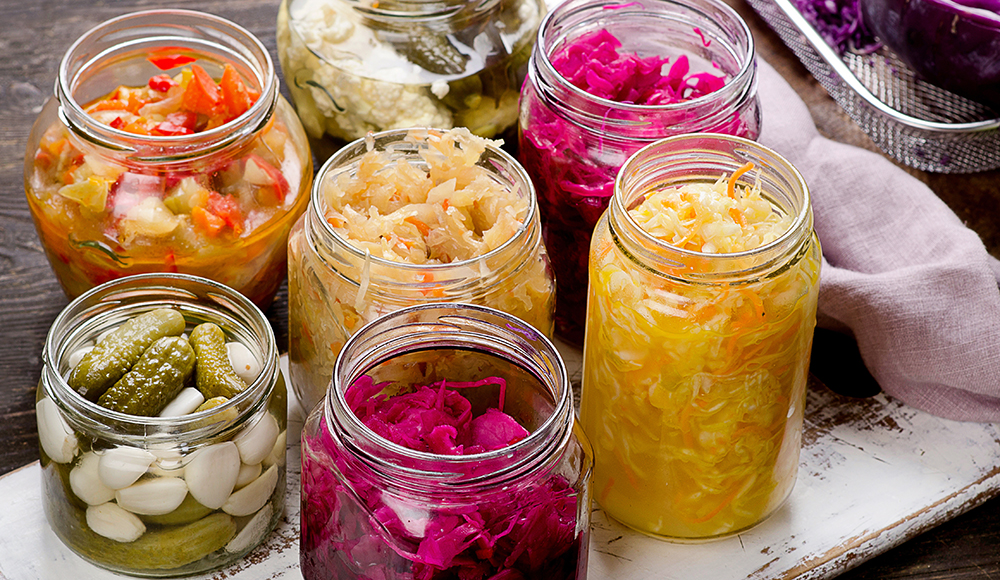
● Kimchi, sauerkraut, miso, tempeh. Our local farmer’s markets offer lots of great varieties.
● Kombucha (fermented tea beverage, but read the label for low-sugar options)
Research links regular yogurt consumption with a healthier microbiome and even lower risk of some colon cancers when consumed a couple times per week. - Hydrate and Support Movement
Plenty of H2O helps to move fiber through the digestive tract and supports a healthy gut lining. Regular physical activity is also linked to higher diversity of beneficial bacteria.
Simple habits:
● Keep your refillable water bottle close by during the day for easy sipping. Add a squeeze of citrus for a simple flavor boost.
● Walk, bike, or move daily. With so many scenic trail options, it’s easy to turn “exercise” into an opportunity for fresh air and forest bathing. The extra endorphins you’ll gain make movement a twofer! - Listen to Your Body
Like each and every one of us, our microbiomes are also unique, and foods that support your gut may vary. Start by focusing on patterns rather than perfection, making one small change at a time and paying attention to how your body responds.
Changing your gut flora takes time, and those cravings for the foods you’re accustomed to are real, so give yourself grace and if possible, a support system to help gradually make the shifts that will change your life, your energy levels and your mood for the better!
Why This Matters
A healthy microbial ecosystem isn’t just about digestion, research ties gut microbes to immunity, inflammation control, metabolic health, and even mood regulation. Eating for gut health isn’t a fad; it’s eating in a way that nourishes both you and the microbial community that lives within you.
Simple Gut Health Principles
● Eat the rainbow (plant diversity matters more than perfection)
● Feed the microbes first (fiber before supplements)
● Include fermented foods regularly
● Keep protein gentle and balanced
● Let meals be satisfying, not stressful
Interested in learning more about the Mediterranean lifestyle and plant-based eating? Visit www.ElizabethBorelli.com.