

Opinion November 8, 2017

EDITOR’S NOTE

I remember when GT publisher Jeanne Howard and I went over to meet SCPD Chief Andy Mills for the first time at his office, as he was just starting the job. I walked away thinking, โ€œHmm, nice guy. Some of his ideas could shake this place upโ€”but who knows if heโ€™ll really get to implement them.โ€

But indeed, he is. Millsโ€™ op-ed in GT last month announcing he wanted to โ€œbreak the cycle of reactionary homeless policyโ€ was a strong opening salvo. This weekโ€™s cover story from Andrea Patton takes a close look at how that policy shift is shaping up, particularly in regard to the homeless encampment that has sprouted up in San Lorenzo Park as a result of Millsโ€™ stated desire to quit chasing sleeping homeless people around the city, issuing citations.

What most stands out in this story, I think, is Millsโ€™ ability to build a powerful, if shaky, coalition of support from a lot of different factions, despite the skepticism that many locals unsurprisingly have toward letting the homeless population set up camp in a public park. It just goes to show, I think, that people are desperate for some progress in how Santa Cruz deals with its homeless issues. Those issues are not going away; housing here is not suddenly, miraculously going to be affordable for everyone. Pattonโ€™s story reveals that the San Lorenzo Park camp is home to a range of people, who donโ€™t always fit into the popular assumptions about homelessness. It also explains why, as a viable solution, this experiment is full of both flaws and possibilities for the future. Iโ€™m reminded of what Mills wrote in his op-ed, that if he canโ€™t find a way to help foster real change, โ€œanother chief in 15 years will struggle with the same problems I wrestle with now.โ€ I hope thatโ€™s one of Millsโ€™ visions for the future that doesnโ€™t come to pass.

STEVE PALOPOLI | EDITOR-IN-CHIEF


LETTERS TO THE EDITOR

Read the latest letters to the editor here.

When Will We Learn?

Re: โ€œPrimed Riskโ€ (GT, 10/8): Ireland was just hit by a hurricane, a very rare occurrence. Six hurricanes followed one after the other, with Maria hitting Puerto Rico and nearby islands with ferocity. ย Irma hit the entire State of Florida, which never happened before. Harvey stayed over Houston longer than normal, dumping 50 inches of rain, due to a recent slowdown of air currents, hotter ocean water and hotter air over land.

The multiple fires in California, fueled by lush vegetation from heavy winter rains, then hotter, drier air in the summer, created huge losses of acres of forest, vegetation, and entire neighborhoods.

Too many people died. Too many lost their homes, businesses, and communities. Climate-change-exacerbated disasters are rapidly becoming more expensive than spending the money required to fix the problem.

When will we realize we are in a worldwide emergency, and start letting our Members of Congress know every day that we want action commensurate with the scale of the problem? ย 

When will we take actions to reduce our own carbon footprint voluntarily?

When will we elect members of Congress who will debate and enact climate change solutions, such as Carbon Fee and Dividend?

Diane Warren |ย Boulder Creek

Stranger โ€˜Thingโ€™

Kudos for Steve Palopoliโ€™s stellar interview with John Carpenter (GT, 11/1). Working at UCSF when The Thing debuted, I was struck by how perfectly it captured, intentionally or not, the sexual paranoia of the early AIDS era (and I eventually wore out my copy of the edgy soundtrack album). It was also that extremely rare remake of a good movie that was actually superior to the original, a notable exception to the general rule. Remaking a classic film seems like a setup for failure. Iโ€™ve never understood why producers of remakes donโ€™t go looking for flawed movies with fascinating basic premises. Thanks again for the feature on one of Americaโ€™s finest directors.

Mordecai Shapiro |ย Santa Cruz


PHOTO CONTEST WINNER

Submit to ph****@*******es.sc. Include information (location, etc.) and your name. Photos may be cropped. Preferably, photos should be 4 inches by 4 inches and minimum 250dpi.


GOOD IDEA

FANG FOR YOUR BUCK
Actor/writer Jason Segal offered audiences a quick bite of genius in his 2008 film Forgetting Sarah Marshall, when his character manned a Dracula puppet and performed a rock opera called A Taste for Love. Segal later said that he had thought about doing an entire live production of Taste, but that his mentor Judd Apatow told him that would โ€œneverโ€ be a good idea. GT editor Steve Palopoli pressed Segal during a live Q&A on Friday in Santa Cruz. Never? Segal has been reconsidering; maybe it could work, he said, if it was staged in small venues.


GOOD WORK

CUTTING REMARKS
Santa Cruzโ€™s new rules for takeout containers and disposable cutlery went into effect on Tuesday, Nov. 7. The revised ordinance, approved by the Santa Cruz City Council in September, requires food service businesses to switch any to-go containers to materials that are biodegradable, compostable or recyclable. Plastic cutlery is not allowed, although compostable cutlery is. The rule bans plastic straws, plastic stir sticks and all polystyrene products, including hot beverage lids. Restaurants must only give out cutlery when customers request it.


QUOTE OF THE WEEK

โ€œSleep is the best meditation.โ€

-Dalai Lama

Whatโ€™s the toughest job youโ€™ve ever had?

0

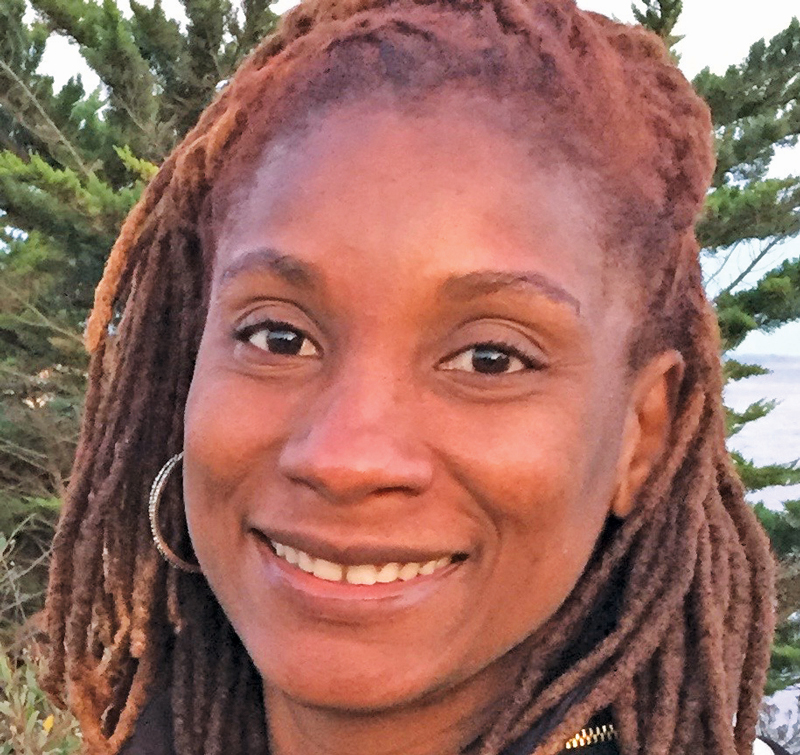
“Selling meats out of a truck. I had to walk up and knock on strangersโ€™ doors, and I felt very uncomfortable.”

J.J. Porter

Santa Cruz
Teacher

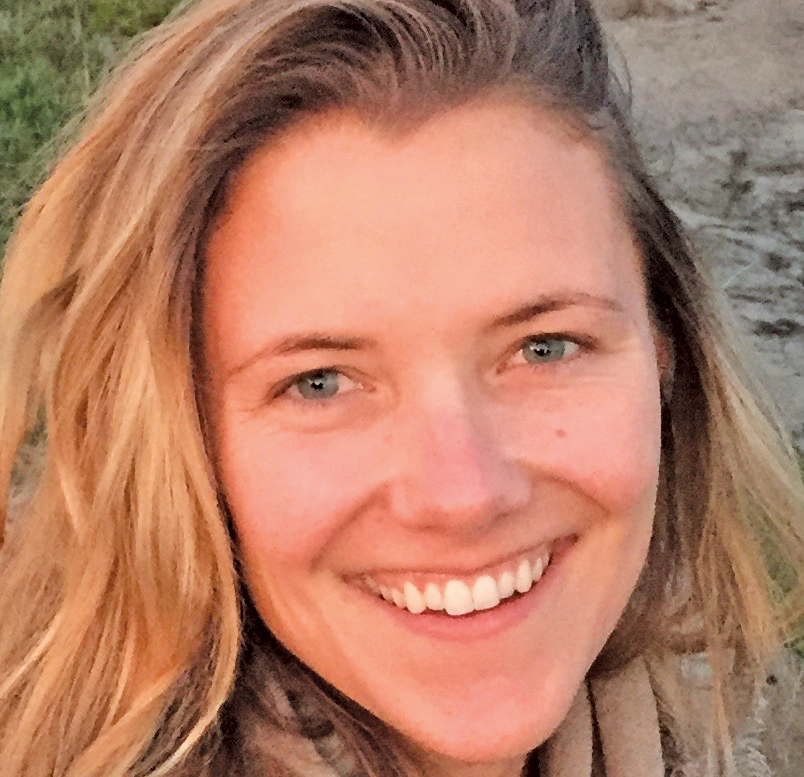
“Taking care of my son. Heโ€™s a handful and very talented, and I home-school him so I have him 24/7.”

Nadia Peterson

Santa Cruz
Homemaker/Student

“Working farmers marketsโ€”waking at 3 a.m., setting the farm stand up and working all day, sometimes 12-hour shifts.”

Katie Stubblefield

Santa Cruz
Quality Assurance Regulatory Certification Specialist

“Selling cheese to people. And Iโ€™m still doing it.”

Kate Mather

Santa Cruz
Cheese Buyer

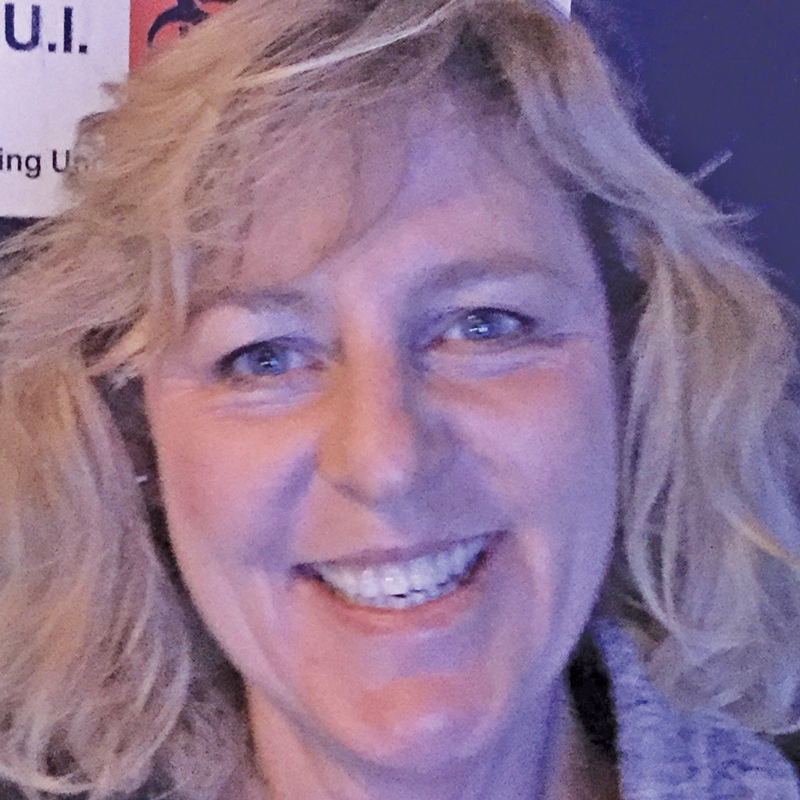
“I was 18 working in a poultry plant in the Central Valley, standing on the cold wet cement all day with these dead turkeys. It was miserable.”

Linda Schutte

Santa Cruz
Retired

As Eucalyptus Monarch Grove Ages, Butterflies Face Risks

11

This past October, Santa Cruz lit up under a cloak of seasonal black and orangeโ€”nope, not Halloween. And definitely not the Giants. The monarch butterflies have returned to Santa Cruz.

This yearโ€™s numbers are up a few thousand, says veteran Natural Bridges State Park interpreter Martha Nitzberg. Even though itโ€™s early in the season, she estimates there are already about 9,000 monarchs fluttering about their designated preserve, located at the state park. Last yearโ€™s population of 3,500 represented an all-time low.

โ€œItโ€™s better now than in a bunch of years. Itโ€™s exciting to see so many butterflies so early in the year,โ€ Nitzberg told me last month.

Be that as it may, the number of Natural Bridgesโ€™ overwintering butterflies is still down more than 95 percent since 1997, and the Tasmanian blue gum eucalyptus canopy that has sheltered generations of butterflies is falling apart.

Extremely sensitive to changes in weather and habitat, as well as to toxins in the environment, monarchs migrate up and down North America, with thousands coming to the local eucalyptus grove, which is nestled in a small canyon. Eucalyptus trees have small leaves that are thin enough for monarchs to wrap their feet around. For longer than anyone can remember, those trees have also provided the butterflies a convenient food source and a haven during the winter months, like a warm blanket or an umbrella to protect them from the wind and rain. But the blanket at Natural Bridges is becoming worn, frayed, and tired.

Monarch populations at the state park began declining precipitously in 1997, Nitzberg says, which is also when the once-reliable eucalyptus curtain began coming down. โ€œOur grove started losing trees in the early 2000s,โ€ she recalls, with much of the damage during some violent wind storms in the โ€™90s.

A few years later, pitch cankerโ€”a pine tree-killing diseaseโ€”infected the vast majority of Monterey pine trees at the state park, eliminating the windbreak from the park and putting more strain on the eucalyptus. โ€œOur grove is getting old,โ€ says State Parks volunteer Abby Pulman. โ€œTrees are falling down, and the grove is not as protected.โ€

For decades, Nitzberg and others pushed to plant more eucalyptus trees around the park to protect monarchsโ€™ overwintering, a debate sheโ€™s reticent to rehash. โ€œItโ€™s a touchy subject,โ€ Nitzberg says. โ€œI need to be politically correct.โ€

The blue gum eucalyptus is officially classified as a โ€œmoderateโ€ invasive species, and some groups, like the California Native Plant Society, donโ€™t want any of it at state parksโ€”or pretty much anywhere else for that matter, even to refortify a butterfly grove.

A few months ago, Nitzberg and her colleagues did score a win in the debate, as staffers will be allowed to plant a three-tree windblock of eucalyptus trees to reinforce the grove.

Dan Gluesenkamp, executive director of the California Native Plant Society, used to be a docent at Natural Bridges, and remembers the situation being complicated. Gluesenkamp, who later managed a monarch grove at Stinson Beach in Marin County, says that although their size may seem like an advantage, eucalyptus trees can actually grow too tall and block out the sun, which butterflies need in order to thermoregulate.

Brett Hall, vice president of the Sacramento-based nonprofit, adds in a follow-up email that itโ€™s impossible to know all of the factors at play. โ€œMonarchs have been crashing everywhere, from other reasons beyond the degradation of the euc grove,โ€ he writes.

Also, even a healthy grove of eucalyptus trees would not protect monarchs from a more existential threat: a parasite called Ophryocystis elektroscirrha, or โ€œOE,โ€ as it is known among butterfly enthusiasts. OE weakens the insects, often leaving them deformed and unable to fly as far or as long as healthy butterflies.

Scientists estimate that OE has infected 30 percent of the western migratory population.

Itโ€™s the latest crisis to strike an already battered species, and the situation on the Central Coast is serious. Once butterflies are infected, they do not recover. The Xerces Society, a butterfly advocacy group, is monitoring its spread.

And local gardeners may be making the situation worse. Nitzberg says that many Santa Cruzans believe they are helping the monarchs by planting milkweed in their coastal gardens to feed monarchs, and the trend began with the noblest of intentions. After all, the milkweed plant provides all of the nourishment a monarch needs to transform from caterpillar into butterfly. Milkweed plants were even sold at the Natural Bridges Migration Festivals for years. Attendees were encouraged to buy $1 plants to โ€œsave the monarchsโ€ and plant milkweed in their yards to create โ€œbutterfly corridors.โ€

But the overly abundant milkweed has turned into a host for OE. These days, park workers donโ€™t sell plants, and they discourage anyone within five miles of the coast from planting milkweed, because plants closer to the ocean are particularly susceptible. The flowery plant also disrupts monarchsโ€™ iconic annual migration, when thereโ€™s too much of it, leaving them stuck in Santa Cruz year round eating the OE-infested plant grub.

If milkweed proliferates in the monarch wintering grounds, many butterflies wonโ€™t migrate at all. The butterflies will lay their eggs year round in Santa Cruz, overstaying their welcome.

Nitzberg discovered a large number of caterpillars this past summer in Santa Cruz County, and sheโ€™s begun questioning the status of the entire monarch migration.

โ€œWe donโ€™t want them to hang in Santa Cruz for the summer,โ€ she says. โ€œThey need to leave for the summer.โ€

Holistic Veterans Event Promotes Breathing to Heal

0

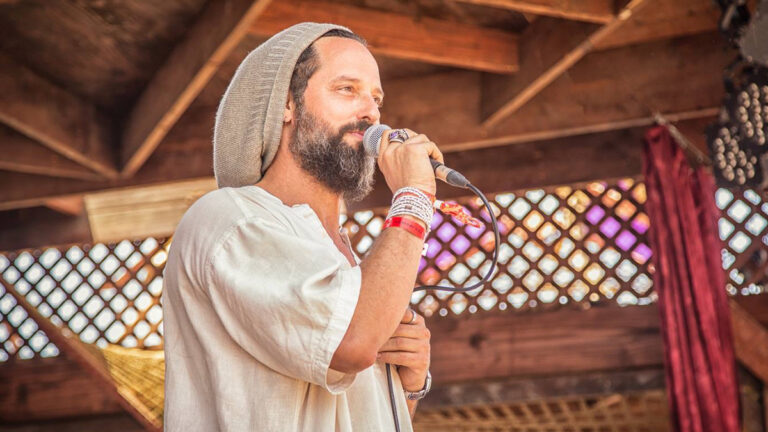
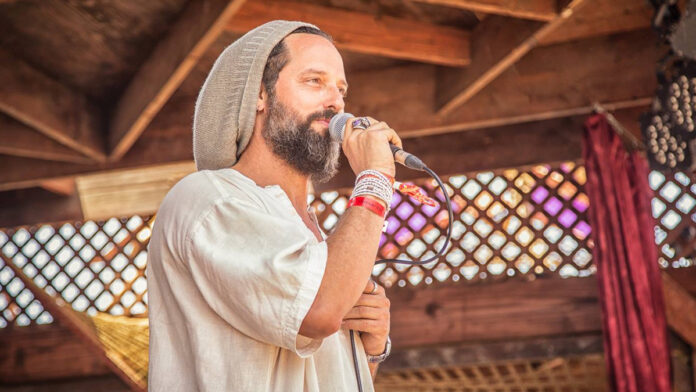
Michael Brian Baker says that growing up, we naturally connect to something special. โ€œInnately as children, we are the frequency of love,โ€ says Baker, a founding member of the Breath Center in Ojai, California. โ€œAnd most of the things we doโ€”whether itโ€™s the cars we drive or the clothes we buyโ€”are about seeking acknowledgement and love.โ€

Baker is coming to Capitolaโ€™s new Breath+Oneness yoga studio on Veterans Day, Nov. 11, for a session of breathwork at Holistic Veteransโ€™ annual Community Healing Project, and he wants people to get more in touch with the importance of love.

Baker says his sessions can be a lot for some newcomers to take in, but that others leave feeling rejuvenated. Videos online show participants holding hands, and sometimes they find themselves weeping, laughing or crying outโ€”and he swears itโ€™s all more than hot air.

Baker says he focuses the sessions around a sense of โ€œorchestrated epiphany,โ€ and loosely bases his breathing rituals on South American medicine ceremonies, although he skips the traditional drugs (which are illegal in the United States, anyway). โ€œWeโ€™ve created a massive healing ceremony where people can come in and feel the experience without having to ingest any medicine,โ€ Baker explains. โ€œThe breath and/or the individual becomes the medicine and their own healing.โ€

Baker traveled the world when he was younger, looking for a deeper sense of wisdom. He remembers meeting monks with such spiritual awareness that he says it felt to him like they had unique powers.

โ€œI thought, โ€˜Wow, there are these people from the Far East who developed what seemed to me to be superhero powers through years of meditation, like the kung fu movies from when we were kids,โ€ Baker says.

He moved back to Southern California, where he helped open a yoga studio and got to know Santa Cruz native and Dharma Punx author Noah Levine.

Baker says he found this healing breath by accident, and has watched it work wonders for people suffering from post-traumatic stress disorder, psychological trauma, addiction, depression and even severe physical injuries. His session, he says, can provide as much healing in 90 minutes as some festivals and forums do in an entire week.

โ€œIt moves energy internally that you normally couldnโ€™t get moving with any physical exercise,โ€ he says. โ€œIt also ignites the vascular system of consciousness, which is a non-ductory system, meaning you canโ€™t take a picture of it.โ€

He says heโ€™s even seen it help people going through difficult transitions like divorce. โ€œIt will accelerate that process in such a beautiful wayโ€”a gentle, gentle way,โ€ Baker says.

The Nov. 11 Community Healing Project will also feature other sessions, including a drum circle, yoga and live music from Holistic Veterans founder Paul Damon. Health care practitioners will set up outside the studio.

โ€œThere are practices, like this breath, that will reenergize, get brain plasticity increased, get brain activity really moving again,โ€ Baker says. โ€œThatโ€™s the magic behind the Breath Center. Spread the love. Thatโ€™s literally what weโ€™re doing. When thereโ€™s more of that and less worry, less focus on whatโ€™s not working, then we can begin to shift things, not only in our own lives, but in our life experience and whatโ€™s going on around us.โ€


The Community Healing Project is from 1-9 p.m. on Saturday, Nov. 11 at the Breath+Oneness Center at 708 Capitola Ave., Capitola. Breathwork with Michael Brian Baker is $35 if you register at breathandoneness.com. The rest of the event is free.ย 

The Truth About the Flu

Emily St. John Mandelโ€™s dystopian masterpiece Station Eleven takes place after a fictional swine flu wipes out more than 99 percent of the world population within a few short days. Besides the bubonic plague, which killed at least 25 million people, the closest weโ€™ve come to such a virulent pandemic was the 1918 โ€œSpanish Flu,โ€ which infected one-third of the global population and killed some 50 million people before mysteriously fizzling out by 1919.

โ€œThey actually have copies of the 1918 flu,โ€ says Dawn Motyka, M.D., of the Ask Dr. Dawn podcast. Virus samples were extracted from the lung tissue of an Alaskan influenza victim whoโ€™d been fully preserved by permafrost since November of that year. โ€œAnd so weโ€™re really trying to figure out what it is that made that strain so rapidly lethal,โ€ says Motyka, who recommends the book The Great Influenza: The Story of the Deadliest Pandemic in History for anyone interested in learning more about it.

While 1918 was pre-vaccination and pre-antibiotics (โ€œIf you got pneumonia, you were toast,โ€ says Motyka), the yearly flu epidemic remains a serious public health matter 100 years later. One thing we now know about the flu is that it is continually evolving. โ€œThe flu has a segmented genome, so that means it can redistribute itself quite quickly,โ€ says Motyka. โ€œItโ€™s basically cutting and pasting its DNA constantly.โ€ The two major antigen markers (hyaluronidase and neuraminidase, which the N and the H stand for in the flu virus labels) exist on the surface of the influenza virus, and their function is to break down cell walls so that their genetic material can be injected into the oblivious, warm-bodied host.

โ€œAnd you have, essentially, a pattern of staying the same for a couple of years, and then shifting a little, and then shifting a little more, and then every once in a while youโ€™ll have a jump, and thatโ€™s called a major antigenic shift,โ€ says Motyka. When this happens, people have little immune protection against the new virus. A major antigenic shift occurred in 2009, when an N1H1 flu virus, the same particularly troublesome combination that darkened 1918, emerged with a new set of genes, and killed between 123,000 and 203,000 people globally, according to a multinational 2013 report. Similar to 1918โ€™s pandemic, an unusually strong majority of deaths occurred in people younger than 65โ€”between 62 and 85 percent.

โ€œThat could have been a major problem. It wasnโ€™t, we dodged that bullet, but we had to do an extra vaccine that year, because it was unexpected,โ€ says Motyka. โ€œWhat Mexico did, in my opinion, that was really heroic was they closed the airports in the first 48 hours. So by doing that they prevented the more aggressive virus from getting out.โ€

The CDC estimates that since 2010, the flu has killed between 12,000 and 56,000 people annually in the U.S. While itโ€™s still too early to tell what exactly the 2017-2018 flu season will look like, trivalent vaccines (which include H1N1, H3N2 and B Victoria) and quadrivalent vaccines (which includes the addition of the B Yamagata strain) are estimated to be about 40 percent effective. More importantly, says Motyka, they will lessen the duration, severity, and period of contagiousness.

Itโ€™s not just the under-2 and over-65-year-old portion of the population who should be getting the flu shot, says Motyka, pointing out that egg-allergic folks can request a preservative-free version. Itโ€™s also important for anyone with any form of lung disease, from asthma and chronic bronchitis to any form of COPD, as well as for the smokers you may know and love.

โ€œBecause the pneumonia that people get after the flu is what kills them,โ€ Motyka says. When influenza infects the lungs, it damages the lungโ€™s immune system for a couple weeks, opening them up to post-influenza pneumonia by staforius bacterium, which is a particularly nasty bug that doesnโ€™t usually get there, she says.

โ€œIf you get that kind of pneumonia it has about a 50 percent chance of killing you,โ€ says Motyka. โ€œEven if you get hospitalized, and you get the appropriate treatment, if youโ€™re over 65 and get post-flu pneumonia, itโ€™s really aggressive.โ€ Flu combined with pneumonia was the eighth leading cause of death in 2014, according to the CDC.

In the case of any sort of super flu, the N95 face maskโ€”yes, like the one you may have purchased during the latest bout of wildfires, but were too embarrassed to wear in publicโ€”can effectively filter out the flu virus.

โ€œEveryone should keep one in their car,โ€ says Motyka, โ€œand in flu season, donโ€™t be afraid to pull it out and put it on.โ€


Music Picks Nov 8-14

0

Live music highlights for the week of November 8, 2017.

THURSDAY 11/9

ELECTRONIC

CUT COPY

Melbourne โ€˜s Cut Copy is nearing two decades as a band. In that time, theyโ€™ve covered a lot of territory musically, whether it be disco, dance-rock, or โ€™80s New Wave funk. But whatever theyโ€™ve done, itโ€™s always been through the lens of re-interpreted pop music of the past into something light-hearted and dance-y. Itโ€™s not something that will ever feel too unfamiliar. In fact, the whole point of Cut Copy is to play with the familiar, and blur the line between nostalgia and slicked-out modern pop music. Their latest, Haiku From Zero, is no exception; it even sounds like theyโ€™re cutting and pasting from their own catalog. Nostalgia for nostalgia. AC

INFO: 9 p.m. Catalyst, 1011 Pacific Ave., Santa Cruz. $25. 429-4135.

THURSDAY 11/9

JAZZ

PATRICIA BARBER TRIO

Over the past 25 years, Patricia Barber has carved out a singular niche on the jazz scene as a skilled pianist whose keyboard work adds considerable drama to her low-affect vocals. An incisive interpreter of standards and more contemporary pop tunes, sheโ€™s often at her best singing her own poetically charged material, including songs inspired by Greek mythology written with the support of a Guggenheim Fellowship. A resident artist in Chicagoโ€™s illustrious club the Green Mill (her latest release is the digital-only album Monday Night Live at the Green Mill, Volume 3), sheโ€™s performing with her highly sympathetic trio, featuring drummer Jon Deitemyer and bassist Patrick Mulcahy, top Chicago cats. ANDREW GILBERT

INFO: 7 p.m. Kuumbwa Jazz, 320-2 Cedar St., Santa Cruz. $30/adv, $35/door. 427-2227.

FRIDAY 11/10

MARIACHI

METALACHI

For those whoโ€™ve never experienced the magic that is Metalachi, stop existing and start living. After all, this is the worldโ€™s only heavy metal mariachi band! The six-piece puts its own traditional Mexican twist on hair-banging, hesher favorites. From Axlโ€™s โ€œSweet Child oโ€™ Mineโ€ to Ozzyโ€™s โ€œCrazy Trainโ€ to Tenacious Dโ€™s infamous โ€œFuck Her Gently,โ€ Metalachi delivers with a relentlessly fun show. Even your abuelita will get her dance on, just donโ€™t tell her itโ€™s really the devilโ€™s music! As an added treat, Santa Cruzโ€™s Reverend Stephen Sams is opening the night. Orale! MAT WEIR

INFO: 9 p.m. Moeโ€™s Alley, 1535 Commercial Way, Santa Cruz. $12/adv, $15/door. ย 479-1854.

FRIDAY 11/10

FOLK

KRIS DELMHORST & JEFFREY FOUCAULT

Calling Kris Delmhorst and Jeffrey Foucault a folk music power couple sounds a bit off, mostly because the two are too damn nice to be a power anything. But a folk music power couple they are. Two well-known artists with successful solo careers of their own, the twosome recently teamed up on Delmhorstโ€™s The Wild. The album balances sophisticated songwriting, engaging vocals and natural song crafting abilities with quiet grace and charm. CJ

INFO: 8 p.m. Don Quixoteโ€™s, 6275 Hwy. 9, Felton. $17/adv, $20/door. 335-2800.

FRIDAY 11/10

ROCK

DIRT TRACK HEROES

โ€œYou wouldnโ€™t be stupid enough to let Dirt Track Heroes play in your house,โ€ the group posted on their Facebook a couple years back. A solid point! They may be loud as hell and more fun than a night of binge-watching Stranger Things, but do you really want to be responsible for the kind of cleanup a chaotic, noisy rock band like this might require? Just let the Blue Lagoon staff take care of it. Theyโ€™re professionals! You just show up, have your mind blown by meaty, bluesy riffs, and go home to a couple peaceful hours of sleep. AC

INFO: 9 p.m. Blue Lagoon, 923 Pacific Ave., Santa Cruz. $5. 423-7117.

SUNDAY 11/12

COUNTRY

TRIBUTE TO JESSE WINCHESTER & TOWNES VAN ZANDT

This Sunday, share a night of music, poetry and country storytelling as the Kuumbwa presents a tribute to singer-songwriters Townes Van Zandt and Jesse Winchester. While both artists have already passed on from this astral plane of existence, their music and words live on. This all-star line-up of local acts includes McCoy Tyler, the Coffis Brothers, Ralph Anybody of KPIG fame and many more to soothe the soul. Kick up the dust with some old-timey ballads and hear some of your favorite tunes in a new way. MW

INFO: 7:30 p.m. Kuumbwa Jazz Center, 320 Cedar St., Santa Cruz. $25-$40. 427-2227.

TUESDAY 11/14

INTERNATIONAL ROCK

JARABE DE PALO

Hailing from Montanuy, Spain, Jarabe de Palo is a rock โ€™nโ€™ roll outfit formed in the mid-โ€™90s. Across numerous lineup changes over the years, the band has collaborated with top-tier international artists, including legendary Cuban artist Celia Cruz, Spanish pop star Antonio Vega, and Puerto Rican reggaeton rapper and songwriter Vico C. It has also won several awards and been nominated for multiple Grammys. On Tuesday, the Spanish rockers make their Moeโ€™s Alley debut. CJ

INFO: 8 p.m. Moeโ€™s Alley, 1535 Commercial Way, Santa Cruz. $35/adv, $40/door. 479-1854.

TUESDAY 11/14

HIP-HOP

AMINร‰

Up-and-coming rapper Aminรฉ has bars and he has hooks, but what really seems to set him apart is his ability to mix silly humor with uncomfortable truths. The video for โ€œRedmercedesโ€ has the unsettling aesthetic of the rapper going to a car dealership wearing whiteface, dressed in Ivy League clothing, and being treated as thugs by the โ€œracistโ€ black salesman. Apart from being odd and hilarious, it makes a strong point about racism. His newest album Good for You is one of the best rap albums of 2017, and features the brilliant line โ€œWhite girls love me like my first name Coachella.โ€ AC

INFO: 8 p.m. Catalyst, 1011 Pacific Ave., Santa Cruz. $20-$89. 429-4135.

TUESDAY 11/14

AMERICANA

MANDOLIN ORANGE

Resting comfortably in that rootsy sweet spot where folk, gospel, country, bluegrass and pop overlap, Mandolin Orange is a modern-day Americana standout. Hailing from Chapel Hill, North Carolina, the duoโ€”songwriter Andrew Marlin on vocals, mandolin, guitar and banjo; Emily Frantz on vocals, violin and guitarโ€”has been at it since 2009. Their music boasts tight harmonies and virtuosic musicianship and has made a name for them on the Americana roots circuit, including stops at Austin City Limits, the Telluride Bluegrass Festival, the Newport Folk Festival and Merlefest. CJ

INFO: 8:30 p.m. Rio Theatre, 1205 Soquel Ave., Santa Cruz. $24. 423-8209.


IN THE QUEUE

THE SAM CHASE

Gravelly voiced, Bay Area Americana favorite. Friday at Kuumbwa

SEE NIGHT

Shoegaze-psych out of San Francisco. Friday at Crepe Place

DONNA THE BUFFALO

New York-based Zydeco, folk and rock outfit. Saturday at Catalyst

HILARY & KATE

Roots-inspired, contemporary string duo. Saturday at Crepe Place

ABYSSINIANS

Classic roots reggae. Saturday at Moeโ€™s Alley


Giveaway: ‘Embracing the Dance’

0


Now in its 60th season, the Santa Cruz Symphony presents Embracing the Dance, a concert showcasing the work of celebrated American composers John Adams and Leonard Bernstein, as well as Ludwig van Beethoven. The program begins with Adamsโ€™ 13-minute long โ€œChairman Dances: Foxtrot for Orchestraโ€ from 1985. It continues with Bernsteinโ€™s โ€œSymphonic Dancesโ€ from the West Side Story score, and concludes with Beethovenโ€™s 7th symphony, the 40-minute long masterpiece that includes a funeral march as well as moments of levity and joy.ย 

INFO: 7:30 p.m. Saturday, Nov. 18. Santa Cruz Civic Auditorium, 307 Church St., Santa Cruz. $29-$85. 426-6966. WANT TO GO? Go to santacruz.com/giveaways before 11 a.m. on Monday, Nov, 13 to find out how you could win a pair of tickets to the concert.

Love Your Local Band: DJ Spleece

1

In 1994, Richard Moore, aka DJ Daddy Spleece, fell in love with reggae. It didnโ€™t just become his favorite music, it became his obsession.

โ€œI was like, โ€˜thatโ€™s it for me. Thatโ€™s all Iโ€™m going to listen to. Thatโ€™s all Iโ€™m going to play,โ€™โ€ Moore says.

At the time, Moore was living in Fresno. In the coming years, he became a prominent reggae/dancehall DJ, playing pretty much anything from Jamaica. He got weekly reggae shows going at various clubs pretty much every night of the week, and would bring live reggae bands to town. In other words, he helped create a serious reggae scene.

When he moved to Santa Cruz nine years ago, he didnโ€™t need to build a sceneโ€”venues like Moeโ€™s had been doing that for years. Fortunately for him, the demand for reggae music here is high. He spins at various events in townโ€”usually at Moeโ€™sโ€”hosts a weekly reggae radio show on KZSC every Tuesday morning, and even maintains the website santacruzreggae.com.

โ€œSince moving to Santa Cruz, I fell back in love with roots,โ€ he says. โ€œI really focus there as far as the radio goes. On a proper club night, youโ€™ll still find me playing the newest dancehall off the island.โ€

Specifically, what kinds of tracks he plays when heโ€™s hosting an event runs the gamut as far as popular favorites and obscure gems. โ€œI like to give the people what they want to hear, but I like to give them what they need to hear, too.โ€

His name was given to him years ago by a friend; itโ€™s a combination of โ€œspliffโ€ and โ€œpeace.โ€

โ€œThey said, โ€˜you know youโ€™re one of those guys that canโ€™t have one without the other,โ€ Moore says. โ€œThatโ€™s not true for me anymore, these days, but the name stuck.โ€ย 


INFO: 9 p.m. Saturday, Nov. 11. Moeโ€™s Alley, 1535 Commercial Way, Santa Cruz. $20/adv, $25/door. 479-1854.

Mountainfilm on Tour, Save the Waves and Reel Rock 12 Film Festivals

0

From Cowtown to the island of Mallorca, next weekend will likely be the most all-encompassing three days of the year for environmental short filmmaking in Santa Cruz. Tellurideโ€™s Mountainfilm on Tour and the Save the Waves Film Festival, along with the much-anticipated debut of Reel Rock 12, fall within days of each other, spanning from sea to sky and featuring almost every outdoor activity you can think of.

The fact that these festivals all are happening in a single weekend demonstrates how much demand there is right now for the filmsโ€”which may be best-known for featuring adventurers and athletes doing really badass stuff outdoors, but also seek to promote environmental awareness.

The Trump presidency is a grim time for environmental literacy and protection. Twenty-seven national land and marine monuments are pending review under Trumpโ€™s administration, and the U.S. Department of the Interior is working to shrink protection borders around several national monuments, including Utahโ€™s Bears Ears, to open more land for oil drilling.

Beyond their importance as habitats and ecosystems, many of these landmarks are destinations for the adventure sports communityโ€”and many filmmakers in that community consider this an important time for storytelling as a form of activism.

First up is the Save the Waves International Film Festival on Thursday, Nov. 9., at the Patagonia Outlet. It will screen 15 films spanning four continents, and examine how to protect coastlines, oceans and wildlifeโ€”all accompanied by some really stunning surfing footage. Over nine years, the festival has continued to grow steadily.

โ€œYou have to walk a fine line between rattling peopleโ€™s cages, and not leaving them with a sense of hopelessness,โ€ says Trey Highton, Save the Waves Film Festival Director. โ€œWith technology and social media today, peopleโ€™s attention spans are shorter; so if we are able to put an impactful, meaningful message into a highly visual consumable and entertaining format, thatโ€™s the most impactful way to get a message out.โ€

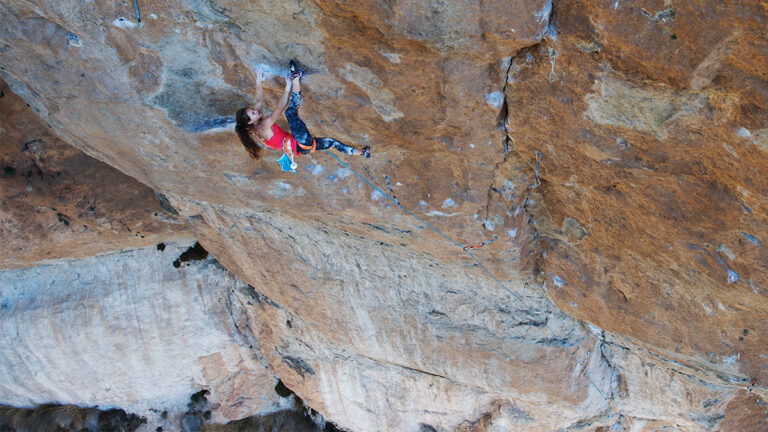
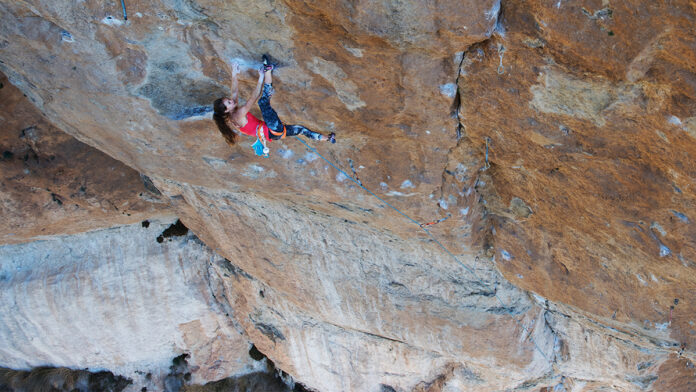
Reel Rock 12 has had climbers and non climbers alike across the world gripping their seats in anticipation for months. Itโ€™s screening at more than 100 locations worldwide, and comes to the Rio Theatre the day after the Save the Waves film festival. The tour will feature short films, starring, among others, Santa Cruz native and pro climber Chris Sharma and rock star 19-year-old Margo Hayesโ€”the first woman to complete a 5.15a-grade climb, one of the highest level climbs for both men and women. Of Reel Rock 12โ€™s four films, two feature women. Hayes, and Maureen Beck, a woman who climbs extremely difficult routes with only one arm while shotgunning beersโ€”to say sheโ€™s a badass lady is an understatement.

โ€œOur culture and society has grown accustomed to a male-dominant industry and now people want to see a little more equality and more women in film,โ€ says Mountainfilm on Tour Director Crystal Merrill. โ€œIn the last two years, I have seen a pretty big change and way more women in films and filmmaking.โ€

The Mountainfilm on Tour hails from Telluride, where it has screened a mish-mosh of mountain-themed films annually since 1979. Following its hometown showing of more than 100 documentary-based films, the nonprofit then hits the road, stopping at more than 150 locations worldwide, including Santa Cruz on Saturday, Nov. 11. The hope is to bring adventure and inspiration, and in doing so, inspire a greater appreciation and understanding of the environment and our impacts.

โ€œComing to Santa Cruz is like coming home for us, because we have an audience that is really supportive and gets it,โ€ Merrill says. โ€œBut whatโ€™s important for us to focus on [are] audiences that donโ€™t get it, that donโ€™t understand what itโ€™s like to have access to public lands in your backyard or realize what itโ€™s like to almost lose those.โ€


INFO: Save the Waves Film Festival is at 6 p.m. Thursday, Nov. 9. Patagonia Outlet. 415 River St., Santa Cruz. savethewaves.org/filmfest; Reel Rock 12 is at 7 p.m. Friday, Nov. 10. Rio Theatre. 1205 Soquel Ave., Santa Cruz. riotheatre.com. $20; Mountainfilm on Tour: 7 p.m. Saturday, Nov. 11. Rio Theatre. 1205 Soquel Ave., Santa Cruz. riotheatre.com. $18.

Santa Cruz County Youth Symphony Prepares for Fall Concert

0

The triumphant thunder of Beethovenโ€™s 5th symphony is the first order of business. Itโ€™s the next-to-last rehearsal before the Santa Cruz County Youth Symphonyโ€™s fall concert, and fine-tuning is the name of the game.

Music Director Nathaniel Bermanโ€”a respected Bay Area conductor and member of UCSCโ€™s Music facultyโ€”takes the small podium and announces the areas that need work that evening. Two dozen sets of teenaged eyes follow his guidance with laser focus. He reminds them of tempo and balance of volume among instrumental sections. They respond. He demonstrates by singing the pitches and tempos. They respond.

After 10 measures of Beethoven, he stops them to make a particular point about phrasing.

โ€œItโ€™s just a little bit slow,โ€ he tells one section of the chamber-sized orchestra, composed of 26 playersโ€”brass, woodwinds, harp, and percussion balanced by 12 violins, violas, and cellos.

โ€œWith very few schools offering string programs of any kind now, and fewer band programs than there were in past years, there are simply far fewer kids taking up instrumental music.โ€ โ€”Music Director Nathaniel Berman

Next, another crucial passage. โ€œLetโ€™s start at measure 125,โ€ Berman says. The sound swells to fill the rehearsal room. Now it all slows down to work out the kinks. Itโ€™s all about fine-tuning the difficult passages so that in performance the entire musical selection will flow from start to finish.

โ€œFor a conductor working with young musicians, one of the biggest challenges is actually helping them develop the ability to use their musical toolsโ€”like technique, musicianship, and expressionโ€”in coordination with their ears and eyes,โ€ explains Berman. โ€œNo amount of artful gesture on the part of the conductor can make that happen. So instead, we talk about these things and do them again, and again, and again.โ€

They are playing a very famous movement of Beethovenโ€™s 5th right now, the โ€œda da da DUMโ€ part. They sound exactly like a symphony orchestra. โ€œ153โ€”one more time,โ€ Berman says with a smile, then raises his hands and gives them a downbeat. The rehearsal weaves back and forth from going over little passages smoothing out glitches, to then playing through the entire sections. The focus is absolute. The director hums and sings and practically pulls the phrases from individual sections. The strings sound quite beautiful, melting yet powerful.

โ€œPick up to 254,โ€ he says, pointing to 16-year-old Mia Balsley, who begins her lovely oboe solo. โ€œPlaying with the youth symphony has taught me to challenge myself, as a musician and as a person,โ€ she admits. โ€œI just love the atmosphere and am grateful to be able to play with others who enjoy music as much as I do,โ€ says the young musician who began playing oboe only two years ago.

โ€œOK guys, letโ€™s play it through,โ€ Berman says after some final tinkering. โ€œI love seeing the young playersโ€™ pride and satisfaction in their work,โ€ he tells me, admitting frustration with the current state of music education. โ€œWith very few schools offering string programs of any kind now, and fewer band programs than there were in past years, there are simply far fewer kids taking up instrumental music,โ€ says Berman.

This group of students is a notable exception. โ€œCommit to the piece,โ€ he encourages them. โ€œDonโ€™t be afraid to make a mistake!โ€

Iโ€™m frankly amazed. These are teenagers, yet they are completely engaged. No shuffling, no whisperingโ€”complete focus. The musical dynamics are impressive. The symphony members can move from a hushed pianissimo to a stirring fortissimo with grace and confidence.

After they have run through the entire piece, Berman wants the strings to experiment with several different interpretations. Violinist Laura Wang, age 12 and soloist for the programโ€™s Mendelssohn violin concerto, has studied her instrument for eight years. โ€œThis is the first time that I am going to play a big concerto with a symphony,โ€ she reveals. โ€œBeing a member of the youth symphony has trained my ear to listen to all the other parts. It is a very fun opportunity to play thrilling pieces and improve your musicianship,โ€ she says.

Berman sings the way heโ€™d like them to playโ€”more detached. No, that wonโ€™t work. Go back to the way you were doing it first, he decides.

The directorโ€™s critiques, usually couched as suggestions, are clear and easy for the musicians to adopt. โ€œWe lag a bit at 31, then it rushes. Play on the front side of the beat,โ€ he suggests to a section that has come in a bit late in one thorny section. When they respond, he shouts, โ€œYes!โ€ They grin.

โ€œI know itโ€™s an insane level of concentration thatโ€™s needed right here,โ€ he coaches them. This is what it takes. Playing through dinnertime, doing homework later. But thereโ€™s a huge payoff. Getting to be part of a moment of creative magic. A live performance.

โ€œThe satisfaction of seeing the kids mature and identify as musicians is really profound,โ€ says Berman, who urges them to โ€œplay light!โ€ at an unforgiving moment. โ€œAgain!โ€ They repeat the tricky part. He nods. โ€œAgain!โ€ They play it again, better. And one more time, until itโ€™s perfect and crisp. After an hour and a quarter of exhausting focus, they will break for 15 minutes, and then continue on for another hour. Afterall, they have a concert to play.


The SCCYS Fall Concert of Beethoven, Shostakovich and Mendelssohn is at 3 p.m. on Sunday, Nov. 12, at the UCSC Recital Hall. Tickets are $15/adults, $10/seniors, and free for ages 18 and under. More info at sccys.org/concerts.

Opinion November 8, 2017

homeless camp San Lorenzo Park
Plus Letter to the Editor

Whatโ€™s the toughest job youโ€™ve ever had?

Local Talk for the week of November 8, 2017

As Eucalyptus Monarch Grove Ages, Butterflies Face Risks

Monarch butterflies
A parasite is ravaging west coast monarch butterflies, and some gardeners arenโ€™t helping

Holistic Veterans Event Promotes Breathing to Heal

Michael Brian Baker of the Breath Center to lead breathworks class for Holistic Veterans Community Healing Project
Michael Brian Baker will lead a breathwork session at the 2017 Community Healing Project

The Truth About the Flu

truth about the flu influenza virus up close
One hundred years after the Great Flu, are we immune?

Music Picks Nov 8-14

McCoy Tyler
Live music highlights for the week of November 8, 2017.

Giveaway: ‘Embracing the Dance’

Win tickets to Santa Cruz Symphony's 'Embracing the Dance' on Nov. 18.

Love Your Local Band: DJ Spleece

DJ Spleece
DJ Spleece plays Saturday, Nov. 11 at Moeโ€™s Alley.

Mountainfilm on Tour, Save the Waves and Reel Rock 12 Film Festivals

Margo Hayes sends La Rambla in Reel Rock 12
Three outdoor adventure film festivals converge on Santa Cruz this weekend

Santa Cruz County Youth Symphony Prepares for Fall Concert

Santa Cruz County Youth Symphony
With fewer music programs in schools, SCCYS is an exception to the rule
19,108FansLike
8,845FollowersFollow