
We’re two weeks into the Santa Cruz Gives fundraising event, which runs until Dec. 31. First, Good Times writer DNA shares why he supports Save Our Shores. Following that, other nonprofits share their “elevator pitch” for what they plan to do with the money they raise. To donate to any of the 72 participating nonprofits, visit santacruzgives.org.
Since its grassroots beginnings in 1978, Save Our Shores has been an integral part of protecting the Monterey Bay National Marine Sanctuary—a geological wonder, with its deepest canyon being two and half miles deep. Just off the coastline are majestic gray whales, splendid orcas, enormous elephant seals, intelligent dolphins, iconic brown pelicans, prowling sharks, flying rays, and leatherback turtles. The Monterey Bay is a wonder of the world.
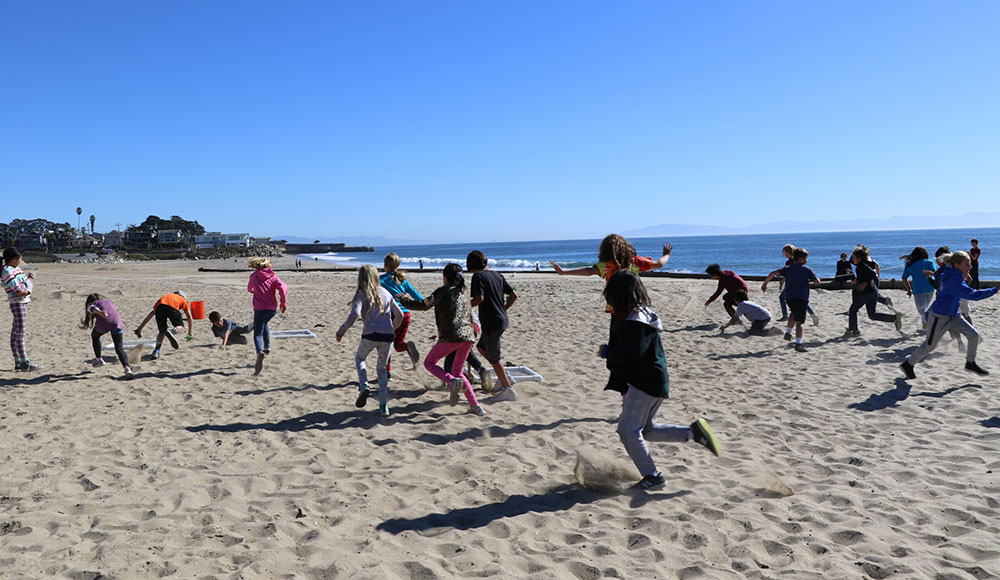
Multiple times a year, Save Our Shores staff, and hundreds of volunteers take to our beaches to clean up the garbage that is left behind by knucklehead tourists and unthoughtful locals. Tons of garbage that would otherwise reach the bay is collected and properly disposed of by Save Our Shores.
Besides the hands-on-the-sand cleanups, Save Our Shores activists seek greater change. In August of this year, the Capitola City Council banned filtered tobacco products. Note that over the last decade, Save Our Shores has cleaned up over 15,000 nonbiodegradable and poisonous cigarette filters in Capitola alone. Along the Monterey Bay smoking-related waste makes up 25% of everything picked up. Yet this important change won’t come into effect until at least two other counties adopt the same provisions.[1]
In other words, positive change takes time, and time is money—and money is something you can provide to this worthy nonprofit.
Back in the 1970s, Harold Bell worked with the United States Forest Service to create Woodsy Owl, a mascot whose catch phrase was “Give a hoot, don’t pollute.” But the trash keeps piling up. In 2024, the U.S. produced 300 million pounds of garbage. Scaled down, we each produce a few pounds of garbage each day. And much of that garbage ends up in our bay.
In these uncertain times we need to make sure the most vulnerable are protected. Be a hero for the salmon, rockfish, whales, dolphins and squid. There are 525 fish species that need a human to step up and block the other humans hellbent on destroying one of our most important resources: the ocean.
Avoid capital gains taxes by donating stock. Or name Save Our Shores as a beneficiary in your will, or estate plans. Let your legacy be a beautiful coastline.
ENVIRONMENT & HEALTH NONPROFIT GROUPS
Bird School Project—“It reminds me of when students spot their first bird through the binoculars, something changes—the world opens up. Through bird watching, local youth discover wonder in their own neighborhoods, pride in the wild places they call home, and a sense of belonging that lasts far beyond the schoolyard. The Bird School Project empowers youth to see themselves as part of the natural world and to care for it.” —Jessica Correa, executive director
Coastal Watershed Council—“The Coastal Watershed Council serves as a voice for the San Lorenzo River and works to help Santa Cruz re-embrace this vital natural resource in the center of our Downtown. Each year, CWC leads community volunteers in hands-on river habitat restoration, empowers Santa Cruz youth to become the next generation of environmental stewards, and builds relationships with river neighbors to visit the Santa Cruz Riverwalk. Seven decades after the devastating 1955 Christmas flood reshaped Santa Cruz’s relationship with the San Lorenzo, we are seeing positive transformation unfold as the buildings of Downtown reconnect to the Riverwalk and our community remembers Santa Cruz is a river town at its heart.” —Erin Loury, communications manager
Dientes—“Through our Affordable Care for All program, we’re opening doors to lasting oral health for families who need it most and creating pathways to brighter futures as we meet growing community need with compassion and care. Your support builds a vibrant community where health isn’t determined by wealth—where every child unlocks their full potential, every family experiences the dignity of high-quality accessible care, and lasting oral health becomes a fundamental right, not a privilege.” —Elena Kelly, development and communications associate
Farm Discovery—“Hunger is no stranger in the Pajaro Valley, where one in five people in Santa Cruz County lives with it, and one in four children goes to bed not knowing what tomorrow’s meal will be. On a small organic farm in Watsonville, Farm Discovery at Live Earth is fighting back with spirit and grit , growing good food and sharing it with those who need it most. We’re feeding our neighbors while growing the next generation of community leaders rooted in hope and the soil.” —Garrett Hambaro, development manager
Jacob’s Heart Children’s Cancer Support Services—Pediatric cancer touches 124 children and their families (548 individuals) in Santa Cruz County alone, surrounding them with fear and isolation. Camp Heart + Hands gives these families a place to breathe again, offering a weekend where cancer takes a backseat to laughter, music, and the magic of community outside of hospital walls. It’s more than a camp; it’s healing, belonging, and hope in action.” —Alicia Diaz-Infante, grants and impact data specialist
Monarch Services/Servicios Monarca—“Last year, Monarch Services’ Campos Seguros outreach provided over 1,600 farmworkers with trauma-informed intervention and prevention services, financial aid and support with housing, counseling, and immigration legal help—offered directly at work during their lunch break and, regardless of immigration status. With federal funding ending in 2025, this trusted outreach program needs local support to keep showing up for families who might otherwise remain unseen and unheard.” —Janna Rivas, director of development
Watsonville Wetlands Watch—“Watsonville middle school students will engage in on-campus environmental action including food waste diversion and composting, litter cleanups, school greening and peer outreach, with mentoring from high school students. Watsonville Wetlands Watch staff will serve as school greening club advisors, developing young environmental leaders and offering skill-building, hands-on service learning opportunities that support student and environmental health.” —Brooke Sampson, development and communications director
we should check this fact