Another Contract Change Issued for Coastal Rail Trail

1

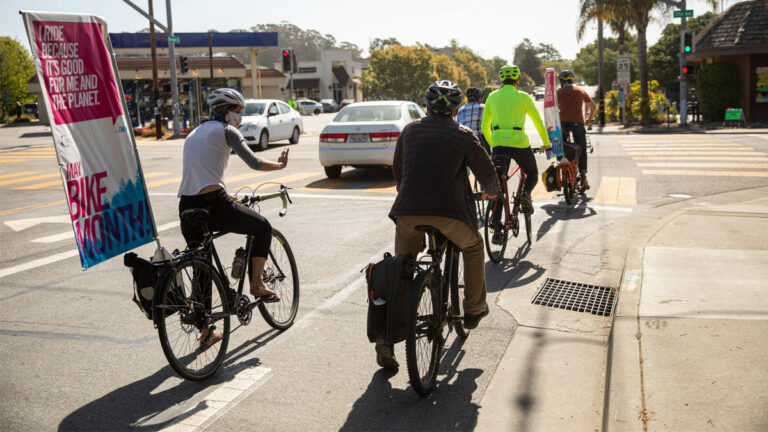
The Watsonville City Council approved the fourth change to a contract with Granite Rock for Phase 1 of the city’s segment of the Coastal Rail Trail, bringing the total price for changes to $501,328.94.

The most recent contract change—included in the council’s consent agenda of Tuesday’s meeting—was a $120,135 charge. That cash will be used to move a water line running parallel to the proposed trail adjacent to existing rail tracks connecting Walker Street to Lee Road. 

The water line was not shown in the initial plans prepared by the city.

Funding will be pulled from the Water Enterprise Fund’s Additional Water Main Replacement Project.

That change comes just two weeks after the council had to authorize a $337,920 alteration so that Granite Rock could treat the contaminated soil underneath the proposed trail. That cost was covered with funds from the Transportation Development Act provided by the Santa Cruz County Regional Transportation Commission.

The city awarded the original $1.45 million contact to Granite Rock in January. It paid for the contract through a pair of $600,000 grants from the Active Transportation Program and the State Transportation Block Grant as well a $200,000 donation from the Santa Cruz County Land Trust. The city also used $51,912.50 of its gas tax funds.

The current contract only covers Phase 1 of the project, which is part of the larger 32-mile Coastal Rail Trail that seeks to connect the southern and northern reaches of Santa Cruz County through a commuter rail and recreation trail system. Phase 2a and 2b of the 1.2-mile paved trail won’t be constructed for at least another two years.

Watsonville’s segment of the trail will connect to Monterey County’s portion of the Monterey Bay Sanctuary Scenic Trail Network, which will extend from neighboring Pajaro to Pacific Grove.

Santa Cruz in Photos: Fair Food Favorites, Minus the Fair

Willie Madaus, owner of Country Fair Cinnamon Rolls, hands Connie Vasquez of Watsonville her order at the first-ever drive-thru fair food sale at the Santa Cruz County Fairgrounds.

The Santa Cruz County Fairgrounds over the next two weekends will continue hosting its drive-thru fair food sale Sept. 11-13 and again Sept. 18-20 from 11am to sundown.

The annual fair was canceled in June because of the Covid-19 pandemic. The drive-thru fair food sale offers a chance to not miss out on classic fair food such as corn dogs, funnel cakes, Greek food, cinnamon rolls and deep-fried Oreos, among other fair favorites.

Drive-thru events are also one of the few opportunities that fairgrounds across the state have had to recover lost revenue.


See more from the Santa Cruz in Photos series.

Pajaro Valley Arts Calls for Moveable Murals Artists

0

Pajaro Valley Arts (PVA) is looking for artists and muralists to be featured in Moveable Murals, a project done in collaboration with the city of Watsonville and the Parks and Recreation Commission.

The project, now in its third year, provides a venue for artists and community members to showcase large-scale paintings and digital work in a public setting. A series of murals by three artists have hung on the side of the Watsonville City Hall Building at 250 Main St. for the past year. 

This year, panels will once again be displayed at City Hall. The theme of this year’s exhibit is “An Act of Love—Wearing Masks During the Pandemic.”

Judy Stabile of PVA said that the organization hopes the theme will encourage people to embrace wearing masks in creative ways.

“We want people to see the whimsical side of wearing masks,” she said. “I know it’s not always fun … but you can still play around with it.”

Artists are asked to create works reflecting the theme. Murals will be 4-by-8 with a vertical orientation. Selected artists and groups will be provided sheets of prime marine plywood or MDO.

Participants are asked to fabricate the murals in home studios or other locations; they will not be completed on-site. The murals will be displayed for 6-12 months starting in November.

In addition to the murals, this year’s exhibit will also include a public photo collage project. Community members can submit up to three photos of themselves, their friends and family (including pets) wearing protective masks to PVA, which will design a photo collage from selected images, then print and apply them to mural panels. 

The images will be included in PVA’s online gallery and other promotional materials. The organization asks for photo submissions to be high-resolution color images and family-friendly. Submissions must include the required entry release forms, which can be found here.

PVA is also currently preparing to launch its annual members’ exhibit: “People, Places and Poetry.” An online gallery for the exhibit will launch in the next week. Stabile said they are planning to do a virtual tour of the exhibit at some point.

“We’re still working on the virtual part of it,” she said. “It’s been a challenge.”

The organization hopes to physically open its “Campesinos: Workers of the Land” exhibit, which has been installed at the PVA gallery since March, if galleries are given the green light to open.

A Vibrant Rosé 2019 from Storrs Winery and Vineyards

There’s nothing like a delicious Rosé, and Storrs Winery makes a good one. Stephen and Pamela Storrs have been in the wine biz for some considerable time, and their ever-popular vinos speak for themselves. Restaurants and markets far and wide carry Storrs’ well-made wines.

The 2019 Rosé ($24), a new release made with Pinot Noir grapes, was created using the saignée method that involves “bleeding off” a portion of red wine juice—often resulting in a bolder and darker Rosé. “Grown in the sunny yet cool climate of tranquil Pleasant Valley,” their website says, “it displays vibrant aromas of strawberries with hints of cinnamon bears and touch of Earth—very like a great Bandol.”

With so many inferior Rosés on the market, it pays to buy something that’s carefully hand-harvested and handcrafted. Here’s a delightful pink-hued wine you can drink for the rest of summer.

Storrs Winery’s large area and tasting room in Aptos is ideal for socially distancing whilst enjoying a flight of their superb wines.

Storrs Winery and Vineyards, 1560 Pleasant Valley Road, Aptos, 831-724-5030 (by appointment only). Tasting room in the Old Sash Mill, 303 Potrero St., No. 35, Santa Cruz, 831-458-5030 (sales and pickup only). storrswine.com.

Chocolate the Restaurant

If you love cocktails, then visit Chocolate the Restaurant—the lovely little downtown eatery. Chocolate has come up with some vibrant new mixes—one of which includes local Mutari Chocolate’s roasted cacao nibs (mutarichocolate.com). 

Says restaurant owner David Jackman, “We let this chocolate-vodka infusion rest for several weeks before serving this with the addition of nothing but a splash of vanilla.” Does that sound good, or what! Jackman adds that sitting on their heated patio with a cocktail and a fondue pot seems like a fun way to end the afternoon. Or have an Irish Coffee made with locally roasted coffee from Alta Organic Coffee Warehouse and Roasting Co. in Santa Cruz—just perfect with one of Chocolate’s amazing desserts.

Chocolate, 1522 Pacific Ave., Santa Cruz. 831-427-9900. chocolatesantacruz.com

Things To Do in Santa Cruz: Sept. 9-15

Because many in-person events across Santa Cruz County have been canceled or postponed during the pandemic, Good Times is compiling a weekly list of virtual events hosted by local nonprofits, artists, fitness instructors and businesses. To submit your virtual event, send an email to ca******@go*******.sc

ARTS AND MUSIC

LUNAFEST VIRTUAL SCREENING Join us for a Virtual Screening of LUNAFEST, films by and about women, featuring seven short films with a total running time of 97 minutes. A streaming link and passcode will be sent to all attendees the morning of the event date. These will be valid for 36 hours from noon on Thursday, Sept. 10, through midnight on Saturday, Sept. 12. LUNAFEST is a national traveling festival of short films by, for and about women, supporting women filmmakers. This showing will benefit WomenCARE Santa Cruz and all proceeds from ticket sales and sponsorships go directly to them. WomenCARE provides a safe haven where women with any type of cancer find mutual support, shared experiences, and open hearts. Films featured in LUNAFEST are not rated but we suggest age 13+ for this season’s lineup. Visit lunafest.org/filmmakers for more info. Tickets are $15 per individual or $25 per household. 

TOP DOG SCREENING We are excited to announce a Virtual Screening of Top Dog. The Top Dog Film Festival was launched in 2017 to showcase the incredible bond between dogs and their people through independent films. Touring annually, the Top Dog Film Festival screens over two hours of the most inspirational, heartwarming and entertaining films related to dogs and their human companions from independent filmmakers around the globe. Including a carefully curated selection of films of varying lengths and styles covering topics relevant to dogs and dog lovers. A portion of ticket sales benefits Santa Cruz County Animal Shelter. Sponsored by Pacific Paw, Santa Cruz Waves, Pet Pals and Community Mobile Vet, Dr. Hannah Good, D.V.M., and Santa Cruz Film Festival. Sept. 20-25. Learn more at riotheatre.com/events-2/2020/9/12/top-dog-film-festival.

BANFF CENTRE MOUNTAIN FILM FESTIVAL WORLD TOUR Get off the beaten path and explore the edge of believable with exhilarating stories from the 44th Banff Centre Mountain Film and Book Festival. The Rio Theatre will be hosting this Virtual Screening Sept. 16 through Oct. 17. Stand on the highest peaks, paddle through the coldest waters, and be a part of the gripping adventures waiting for you in this year’s Banff Centre Mountain Film Festival World Tour. From exploring remote landscapes to adrenaline-fueled action sports, films selected for the 2019-2020 World Tour are sure to captivate and amaze you, as it travels virtually and in person to more than 40 countries worldwide. There will be three programs available to choose from, or the purchase of a bundle, including all three. Hosted by and supporting the Rio Theatre. For more information, visit riotheatre.com/events-2/2020/9/18/banff-centre-mountain-film-festival-world-tour

WEST CLIFF OUTDOOR MARKET Enjoy a socially distanced outdoor market with unique artisans and food trucks while taking in the spectacular view of the ocean. This market will be held in two parking lots along West Cliff Drive. This is always a popular spot for locals and tourists, as it overlooks the famous Steamer Lane surf spot. The market will feature one-of-a-kind gifts and a chance to see many vendors for the first time this year. The market will follow all social distancing guidelines and all vendors and attendees will be wearing face masks. Please come and join us and enjoy this outdoor shopping experience! Saturday, Sept. 19, 10am-6pm. 

CLASSES

FROM STUCK TO SHINING BRIGHT A workshop to move from goal-setting to goal-getting. Tracie Root supports and guides women to reveal their best selves everywhere in their life. This workshop will help you not only get clarity on your goal but will help you set up a clear path to getting there and beyond. Live on Zoom! Thursday, Sept. 10, 4:30-6:30pm. Register here: tracieroot.com/shine-bright

65-HOUR TRAINING Community members may participate in a Monarch Services virtual training to become California state-certified peer counselors for survivors of sexual assault, domestic violence and human trafficking. The training will be held through Oct. 14 during these times: Mondays 1pm-3:30pm, Wednesdays 1pm-3:30pm, Thursdays 1pm-3:30pm. Register by emailing al********@mo********.org

NAMI FAMILY-TO-FAMILY CLASS NAMI’s Family-to-Family Class is an eight-week educational program for family and friends of adults with mental health challenges. Learn about how to support your loved one, gain valuable communication and coping skills, and become educated on the latest mental health research. Class is led by two trained volunteers with lived experience caring for someone with mental health conditions. Sign up online and learn more at namiscc.org/family-to-family.html. Mondays and Wednesdays at 6pm. 

CHILDBIRTH EDUCATION WEEKEND EXPRESS CLASS This Saturday and Sunday virtual class from Dominican Hospital is intended for expectant mothers and their labor support team. Focus will be on the birth process, including the stages of labor and when to go to the hospital. Non-pharmaceutical coping techniques for pain, including breath work, mindfulness practices, supportive touch and positions for labor and birth, along with standard hospital procedures, pain medication options, medical interventions, cesarean birth, postpartum recovery, newborn procedures and breastfeeding basics. In this class, we will actively practice positions and coping techniques for pain, so please be dressed for movement. Please register for the PEP class session. Only after you have completed this process, the Zoom meeting information will be provided to you via email prior to your class. Classes run 1-5:30pm on these days: Sept. 26-27, Oct, 24-25, Nov. 14-15, Dec. 19-20. 

COMMUNITY

VOLUNTEER VISITORS VIRTUAL Q&A Join this virtual Q&A Session with Forbes Ellis, director of volunteer services at Hospice of Santa Cruz County. Volunteer Visitors provide companionship to hospice patients in their homes or in the residential care facilities where they reside. As a willing listener, a hand holder, and supportive presence, these special volunteers are vital members of the hospice team. Volunteer Visitors may also provide caregivers with much needed respite. Other duties include simple snack preparation, running errands, and other practical tasks. During shelter in place, Volunteer Visitors are supporting patients while social distancing via Zoom visits, letter writing, and running errands. Monday, Sept. 14, 12:30pm. Learn more at hospicesantacruz.org/volunteer/volunteer-visitors.

IMAGINE Join us for Imagine! our annual premier fundraising event. This year, Imagine! will be a virtual event with a silent live auction broadcast from the CASA house, online bidding, and stories from former foster youth and their CASAs. Sunday, Sept. 20, 2:30-3:30pm. Learn more at casaofsantacruz.org/imagine2020.

VIRTUAL WALK-A-MILE Our annual Walk-a-Mile fundraiser is going virtual this year! The walk will take place on Saturday, Oct. 3, to coincide with the first weekend of Domestic Violence Awareness Month. Between now and event day, participants can sign up online individually or as a team, create a personalized web page and outreach to their networks to fund their walk. Through our event site, social media networks and teams, we will raise awareness and build support for the movement to end violence in our community. All funds raised through this year’s Walk-a-Mile event will go toward meeting the immediate needs of survivors (housing support, food, transportation, etc.), violence prevention programming for youth and teens, as well as outreach to those most at-risk of violence during this time. Learn more at monarchwam.funraise.org

LUMA BOOK CLUB This is a time of seismic shift, and yet also one of opportunity. Luma Yoga is a community center operating on principles of inclusion, compassion, and, yes, reflection, but make no mistake—also of action. The first step in effective action is gaining knowledge. To this end, Luma is hosting a book club on the topic of racism and social justice issues. The reading groups will be held remotely (for now) over Zoom Thursday nights 7-8:15pm. The purpose of the groups is to learn the endless shapes oppression can take in the world, to recognize our own biases within ourselves, and to move from discomfort to action in support of Black and non-white POC. The groups will be facilitated by Steven Macramalla, a professor of psychology at SJSU. The Club will work on a 3- to 4-week cycle, reading one book per cycle, with several chapters covered each week. For more info visit lumayoga.com. Thursdays at 7pm. 

TALES TO TAILS GOES VIRTUAL SCPL’s early childhood literacy program, Virtual Tales to Tails, has moved to a new time slot: Mondays, 3:30-4:30pm. At the end of your school day, hop online and have fun reading at your own pace to an audience of therapy dogs, cats and other guest animals. Have math homework? Good news! Your furry audience would also love to learn how to count, add and subtract. Register online. Registrants receive reminders, links to the live program, and fun (educational) activities to complete and have showcased on future sessions Learn more at santacruzpl.libcal.com/event/6764938.

GROUPS 

VIRTUAL YOUNG ADULT (18-30) TRANSGENDER SUPPORT GROUP A weekly peer support group for young adults aged 18-25 who identify as transgender, non-binary, genderqueer, agender, or any other non-cisgender identity. This is a social group where we meet and chat among ourselves, sharing our experiences and thoughts in a warm, welcoming setting. Our meetings will be held on Discord during the shelter-in-place order. For more info, contact Ezra Bowen at tr***@di*************.org.

LGBTQNBI+ SUPPORT GROUP FOR CORONAVIRUS STRESS This weekly LGBTQNBI+ support group is being offered to help us all deal with stress during the shelter-in-place situation that we are experiencing from the coronavirus. Feel free to bring your lunch and chat together to get support. This group is offered at no cost and will be facilitated by licensed therapists Shane Hill, Ph.D., and Melissa Bernstein, LMFT #52524. Learn how to join the Zoom support group at diversitycenter.org/community-calendar

OUTDOOR

LABSIDE CHATS: A CONVERSATION WITH A SCIENTIST Tune in for the Seymour Center’s next Labside Chat with Katherine Seto, assistant professor of Environmental Studies at UC Santa Cruz, on Thursday, Sept. 10, at 3:30pm, to learn more about fisheries and the importance of sustainable management. Join the conversation! Submit your questions in advance, then watch the conversation to hear the answers during the live chat. Visit the Seymour Center’s website to submit your questions in advance for each scientist and to access the livestreams: seymourcenter.ucsc.edu/learn/ongoing-education/labside-chats. Labside Chats are livestreamed the second and fourth Thursday of every month (excluding holidays), and are offered at no charge. Please support the Seymour Center by becoming a member or making a donation today at seymourcenter.ucsc.edu/get-involved/join or seymourcenter.ucsc.edu/get-involved/donate/make-a-donation.

EVERGREEN AT DUSK: CEMETERY HISTORY TOURS Discover the shadows and secrets found within Evergreen Cemetery, one of the oldest public cemeteries in California, on a self-guided tour of the grounds. Bring your curiosity (and maybe some flashlights) as you explore the final resting place of Santa Cruz’s early settlers. The 45-minute tour is a self-driven adventure uncovering the stories and tombstones of the people who made Santa Cruz what it is today. Designed for daring, curious, and history-loving households, this tour is great for all ages! Registration is limited to one household per tour to ensure plenty of spacing as groups individually explore the cemetery. Each tour should take 30-45 minutes to complete. The time you select is when your group/household tour start; we recommend arriving 5-10 minutes early to ensure you can begin right on time. Dates and times vary. You will be able to select the date and time of your tour when purchasing tickets. Learn more at santacruzmah.org/events

ANNUAL COASTAL CLEANUP For over a decade, Save Our Shores has regionally hosted Annual Coastal Cleanup in Santa Cruz and Monterey counties. This year, to prevent the spread of Covid-19, Save Our Shores will not be hosting cleanups at organized sites on one particular day. Instead, you can conduct your own local cleanup with those you have been sheltering in place with on any Saturday during the month of September. These individual, close-to-home cleanups will protect our oceans beginning at our own front doors. Learn more and find out how to participate by visiting saveourshores.org/coastal-cleanup-2020

Opinion: Sept. 9, 2020

EDITOR’S NOTE

If you think it’s depressing reading all the bad news in 2020, believe me, it’s just as distressing to deliver it. I find myself often wondering where our hope comes from in times like this. One answer, for a lot of us, is music, and this week’s cover story by Aaron Carnes about how Kendrick Lamar’s songs have inspired Black Lives Matter activists speaks to the power it has in our lives.

Music has probably been a part of protests as long as protests have existed, and pop music has been an essential part of social movements since at least the 1960s. No one can predict when a certain artist or song will click with a certain cultural flashpoint; I recently read a piece that pointed out how remarkable it is that Bob Dylan will be forever linked to protest songs, considering the majority of those he wrote came out in the short span of years early in his more than five-decades-long career. But that brief period happened to coincide with a huge activist movement (several, in fact) that needed a soundtrack. We are once again in a nationwide fight for social justice, and today’s activists have found their own muses; the story of how Lamar became one of them is compelling and illuminating.

Music can also provide hope in a different way, and that’s why Good Times is partnering in a new fundraising campaign for wildfire victims called “Love You Madly — Artists for Santa Cruz Mountains Fire Relief.” Conceived by locals—Jon Luini in conjunction with Susan True of Community Foundation Santa Cruz County and Matthew Swinnerton of Event Santa Cruz—it’s an exciting effort that will draw on national, regional and local artists like Joe Satriani, John Doe of X, Alwa Gordon, Tess Dunn, Taylor Rae and many more. GT is the media partner, and we’ll be announcing all the details of the campaign’s launch in next week’s issue, so check it out!

STEVE PALOPOLI | EDITOR-IN-CHIEF


LETTERS TO THE EDITOR

Read the latest letters to the editor here.

School Solutions

The spread of Covid-19 does not end with the school bell. Having strict rules during the 8-10 hours schools may be open each week and then having working parents scramble to create a patchwork of childcare the other 30 hours of the work week is not the systems-level solution needed to prevent the spread of this virus.

Districts must also stop saying distance learning can be equitable just by giving every child a laptop and free WiFi, as nationally only 33% of whites and Asians, 20% of Blacks, and 16% of Latinos can work from home, and 27% of children live with only one parent.

Real potential solutions include the government or foundations providing funding for:

– Districts to coordinate with the many local outdoor education programs to educate students outdoors;

– Paying one working parent a stipend to not work and homeschool;

– Hiring additional teachers so students can all livestream in small groups;

– Providing teachers with professional development to create engaging online and offline learning, as it is unhealthy and ineffective for K-6 students to learn 100% online.

If districts cannot support teachers to put together high-quality online distance learning, then even more public-school parents (many of whom are probably upper-income and white) will turn to private education or homeschooling, leading to the defunding of public education, teacher layoffs, and the disenfranchising of lower-income students who are unable to learn online, as their parents cannot work from home, leaving the remaining teachers to create online curriculum that no one will use.

High-quality public education is essential and a right, but districts cannot solve these problems alone. This is a Rosie the Riveter moment for public education. It is time for Santa Cruz to come together to reimagine and properly finance public schools.

Jacob Sackin | Santa Cruz


Stand Together

It’s unfortunate that in our community, that there are still spoken words of racism. There’s an old way of thinking, where people claim that there’s an “n-word” for every race. I was disgusted to hear this from a supposed friend of mine (that this was how he really felt) even in today’s sad state of affairs. I recognize this can be pure ignorance, but the fact remains that this sort of mindset needs to be abolished (like, centuries ago).

I’m reaching out to say that we need to stand together more so now than ever before; before our world becomes more unlivable than it is today. Privileged or not, we need to start putting ourselves in other people’s shoes and ask yourself one question: Would I want to be treated this way? Your answer will decipher your actions. Hopefully they are righteous ones. One love for all, and all for one.

Rebecca Wallace | Santa Cruz


 Protect the Election

As a voter in Aptos, I feel confident about my ability to vote safely and securely in the upcoming elections. However, many people in this country can’t say the same. The U.S. has a history of disenfranchising voters and it is very concerning to me that, given the current situation, our Congress doesn’t do more to help the states to prepare for the elections. Experts estimate we need at least 4 billion dollars to remedy this. Every voter needs safe options to vote by mail, early and on Election Day. Instead, very little has been done so far and the USPS is being sabotaged. Congress must pass additional funding to make sure November elections are inclusive and fair.

Natalie Beebe | Aptos


PHOTO CONTEST WINNER

The Santa Cruz Surfing Museum was fumigated last week after a termite infestation was discovered. Photograph by Ross Levoy.

Submit to ph****@go*******.sc. Include information (location, etc.) and your name. Photos may be cropped. Preferably, photos should be 4 inches by 4 inches and minimum 250dpi.


GOOD IDEA

MATTER OF FACT

On Saturday, Sept. 12, Santa Cruz will become the first city in the U.S. to create a city-sanctioned, permanent Black Lives Matter mural installation. Unanimously approved by the City Council in June, the mural will be in the middle of Center Street in front of City Hall. Participation in the project is open to all community members. This mural painting event, the brainchild of Santa Cruz artist Abi Mustapha, will run from 10am to 5pm. Volunteers may sign up through Sept. 10 at forms.gle/SKqB6rsQYxJWmHqb7.


GOOD WORK

NEED TO FEED

The Santa Cruz County Emergency Operations Center has announced free meals for evacuees of the CZU Lightning Complex fire. The meals are available at the Recovery Resource Center located at Kaiser Permanente Arena to residents who’ve been processed through the center. An anonymous donor is providing meals via participating local restaurants, like My Mom’s Mole, Woodstock’s Pizza, Barceloneta, Rogue Pye, Half Moon Bay Brewing, Kickin’ Chicken, Full Steam Dumpling, Feel Good Foods and Hanloh Thai Foods. Each meal will be ready for pickup around noon. 


QUOTE OF THE WEEK

“Long live protest songs, in whatever form they take.”

-David Levithan

How Kendrick Lamar Became a Muse of the Black Lives Matter Movement

In 2015, protestors took to the streets across the country demanding an end to police brutality amid several high-profile cases where police killed unarmed Black men and got little more than a slap on the wrist. That July, the Movement for Black Lives held its first conference at Cleveland State University—just a few miles from the recreation center where a Cleveland police officer killed 12-year-old Tamir Rice the year before—to discuss how to hold law enforcement accountable for these actions.

After leaving the conference one afternoon, several attendees witnessed a 14-year-old boy at a nearby bus stop being harassed by police, who believed he had an open container of alcohol. When they confronted the officers, they were pepper-sprayed, but they stood their ground and were able to get the boy’s mom on the phone and later on the scene. She demanded the police release her child. To everyone’s amazement, they did.

In what felt like a rare win against the police, the crowd of 200 spontaneously chanted the chorus to Kendrick Lamar’s recently released song, “Alright”: “We gon’ be alright! We gon’ be alright.” 

Author Marcus J. Moore writes about this moment in his upcoming book The Butterfly Effect: How Kendrick Lamar Ignited the Soul of Black America, which will be released on Oct. 13.

“It was a heroic scene, a sea of triumphant Black people walking through the streets, passing police cruisers like they weren’t even there,” he writes in the book. “The Cleveland demonstration was a flash point for the movement overall, and now it had an anthem.”

“Alright,” arguably one of the most important songs of the decade, was inspired by Lamar’s trip to South Africa, where he witnessed extreme poverty, but also resiliency. The song’s lyrics confront police brutality with visceral ferocity and anger, while Lamar weaves in his own story about battling the dark temptations of fame and greed. The chorus offers a sliver of hope, or at least suggests the will to endure when things seem to be at their worst. It resonated strongly with listeners when it was released on his 2015 album To Pimp a Butterfly.

“It’s a personal song that became a protest song because of the public,” Moore tells me. “You barely heard it on the radio, but the fact that you hear it in the street is more validation for him. In that way it became a protest song because you had all these Black people who took ownership of it. It became their ‘Lift Every Voice and Sing.’”

Ayo Banjo, a community organizer and UCSC Student Union Assembly president who has been central to the recent Black Lives Matter protests in Santa Cruz, says that Lamar’s music has been influential and inspirational to his own activism. He agrees that “Alright” captured an important moment in time.

“‘Alright’ is an anthem. It’s still an anthem, and it will continue to be an anthem,” Banjo says. “The song captures the struggle of resiliency. How hard it is sometimes to continue forward even when you feel like there’s no hope. Even when you see another Black death in the media. The mantra itself represents the resiliency of Black America. The song emulates the same grit of folks that fought so hard for civil rights. Those same people that are relying on our generation to pick up the mantle and carry that same optimism and hope for the future, to envision a new reality.” 

“Alright” was only one of many times Lamar’s music has impacted culture over the past decade, as Moore’s book documents.

Another critical moment came six months after the Cleveland incident, when Lamar delivered one of the best, most provocative Grammy performances ever. He and his crew shuffled silently on stage in prison chains, demanding the audience digest the meaning behind this powerful image: This country treats Black men like criminals. He performed an incredible and theatrical medley of “The Blacker the Berry,” “Alright,” and some previously unreleased material, fueled by tumultuous live jazz and closing with the evocative image of a map of Africa and the word “Compton” written on it. His performance spoke to the complex issues of Black identity, intergenerational trauma and radical joy with the emotionality and nuance it required. And people from all walks of life were paying attention.  

“When you think of the Grammy audience, you’re not thinking of a room full of Black people. You’re thinking about white people who probably barely know who he is,” Moore says. “For him to make that bold statement, along with To Pimp a Butterfly, I think that’s what sort of pushed him into pop canon. It was fearless and it was bold.”

Changing the Game

The Butterfly Effect documents Lamar’s life and career, focusing on the historical and cultural context and on Lamar’s importance, which Moore argues has already been significant, despite Lamar still being only 33 years old, and with likely many more albums to come.  

“I think he is the greatest rapper of his generation,” Moore says. “I feel like the reason that people cling on to him is because he gives his listeners something to dive into that makes them realize that everything is going to be okay as long as you’re honest with yourself.”

Nearly every rapper big or small has respect for Lamar. He’s one of the few rappers who has somehow kept his indie cred while gaining mainstream acceptance. Santa Cruz rapper Alwa Gordon says that Lamar is an entirely unique figure in mainstream hip-hop.

“He’s brought lyricism back,” Gordon says. “I think his contribution has been making sure that artists understand that they can be commercially successful, while at the same time not straying from the message. His message has always been the same. It’s always been about the struggle. It’s always been about Black empowerment. It’s always been about the streets and for the streets. Elevating people actually talking about real shit.”

Moore first conceived his book in 2017. He was walking around in Brooklyn, on his lunch break, listening to the jazz-infused To Pimp A Butterfly and marveling at how relevant the album still was. He initially thought it would be great to write a book about the album, which he considered a game-changer for hip-hop both musically and thematically. But as the project evolved, Moore expanded the book’s scope to include Lamar’s entire career.

There was a lot to cover. To mainstream listeners, Lamar seemed to come out of nowhere with To Pimp A Butterfly, but he had actually worked his way up for years, grinding in the underground L.A. scene. Before he released anything under his own name, he put out four mixtapes under the name K-Dot. His rapping was superb, but the emotional complexity, vulnerability and high conceptual approach to hip-hop wasn’t really there yet.  

He released his first full-length album Section.80 in 2011 under his own name. It was an underground hit that made a lot of fans and critics take notice, but it was his next album, 2012’s Good Kid, M.A.A.D. City that shot him into hip-hop stardom. The record yielded the singles “Poetic Justice,” “Bitch, Don’t Kill My Vibe,” and “Swimming Pools (Drank).”

Good Kid went platinum, but the legacy of the record, Moore argues, is much greater than radio plays and record sales. Lamar was able to shed much of his early rapper persona and tell an out-of-sequence, intimate autobiographical story that flows like a movie. The album addresses the contradiction of being a child in an environment with gang violence and police brutality that innately strips you of your childhood innocence. He talks about the grounding role of familial support and the hurdles of intergenerational struggle, while also humanizing the characters in sympathetic ways. He implores kids in similar situations to dream beyond their circumstances.

Good Kid, M.A.A.D City was one of the Lamar’s most straightforward hip-hop records musically, which resonated hard with rap music fanatics, but it also showed the depth to which Lamar could take personal lyrics, carefully paced interludes, relatable characters and larger universal truths to craft a succinct narrative.

Good Kid is definitely the hip-hop head album. People who love Nas’ Illmatic loved Good Kid because he’s an adept storyteller,” Moore says. “Good Kid, M.A.A.D City was important because that was his coming out moment.”

Black and Proud

To Pimp A Butterfly (2015) was next and was like nothing before it. It was provocative. It was filled with spoken word and jazz. It was a dense and long album that had nothing to do with what was popular in hip-hop or pop music at the time. It was even a bit overwhelming and required repeated listens to fully unpack, but it was rewarding for anyone who took the time. And despite what a superb artistic achievement it was, it was a hit among a wide-ranging audience.

It was also unapologetically Black. Lamar knew that he was creating his masterpiece and wanted to work with the best musicians, linking players from different scenes. He brought together musicians like Thundercat, Terrace Martin, Robert Glasper, Kamasi Washington and Flying Lotus. It was a lengthy process—and, remarkably, the jazz element didn’t come together until the final stages.

“That is definitely the one that broke him through, and people realized, ‘Oh who’s this dude who’s doing this really wild crazy music?” Moore says. “That tapped into the old jazz heads from L.A. and New York. They’re like, ‘This kid, he operates like a jazz kid. He’s thinking about scales and things of that nature. He tapped into the music nerds. He had love from the gangs in Compton. And he had love from older people, younger people. Everybody could see the musicality, and they loved the story.”

To Pimp A Butterfly gave voice to the struggle and triumphs of Black America, but it also helped usher in a new resurgence of jazz music. Post-Butterfly, people weren’t just crate-digging for classic jazz records. New jazz artists were suddenly getting the kind of acclaim and attention that no one in the genre could have anticipated a year earlier, like adventurous jazz saxophonist Kamasi Washington, who subsequently released the experimental triple album The Epic to a sizable audience.

Lamar had a lot to say on To Pimp A Butterfly. His trip to South Africa before the album had changed him in a lot of ways, and he saw connections between Africa and Compton, and his own struggles as a newly famous musician. He blended it all together in a compelling way that was both urgent and philosophical.

“That is his kitchen-sink record. To add all of these layers on top of it, he wanted to tap into L.A. jazz history. He wanted to tap into the city’s soul. But he also wanted to discuss how South Africa affected him,” Moore says. “That’s the one, even if you listen to it now, there’s so many different things going on. You have the spoken word poem that’s woven throughout.”

After To Pimp A Butterfly, Lamar released Untitled, Unmastered (2016), compiling unused early demo tracks from the To Pimp A Butterfly sessions. He later released Damn (2017) and curated the soundtrack for Black Panther (2018). Damn was a huge force in pop culture. By the time he’d released it, people were ready to dissect every word Lamar was spitting.

Damn made some pretty strong, angry statements in the early Trump years, when many people of color felt betrayed by their country for electing a president who failed to condemn—and perhaps even straight-up supported—white supremacists. On the lead single “DNA,” in-between virtuosic verses about the complexity of the Black experience in the U.S., he samples a 2015 clip of Geraldo Rivera from Fox News criticizing Lamar and hip-hop in general for doing “more damage to young African-Americans than racism in recent years”—a particularly tone-deaf statement as the country watched the rise of hate crimes and thousands of people willing to downplay Trump’s racism.

“It comes out right after Donald Trump is inaugurated. He references him on the album. But he didn’t do what everyone else was doing. If you remember, everybody had a Trump protest song. Everybody was talking trash,” Moore says. “He’s definitely attuned to what’s going on. He’s just not going to comment on it publicly. Or if he’s going to comment, he’s going to put it in the music in a really abstract, artistic way where it influences the conversation. If you listen to it, it’s like, ‘Is he really talking about this, or is he talking about this other thing?’”

Lamar has been mostly silent since the Black Panther soundtrack and is likely due for a new release soon. Nobody yet knows when that will be, but fans and music critics alike all assume that Lamar has several more brilliant albums in him. And his past work, as The Butterfly Effect shows, is more relevant now than ever. With the killings of George Floyd and Breonna Taylor, the Black Lives Matter movement and its protests against police brutality have entered the mainstream conversation in a new way. Even large corporations are now scrambling to show public support for the cause, often clumsily attempting to paint themselves as anti-racist.

“I’m glad that it’s coming out now,” Moore says of his book. “It’s also coming out a month before this historic election. And we also have the recent news of Kamala Harris being the VP. I feel like there are a lot of things aligning that makes it seem like it’s coming out at the right time. I’m also thankful because his music is timeless.”

It’s probably not possible yet to see all the ways that Lamar has contributed to the larger dialogue. Many of the ways are subtle. But Moore makes a strong case that Lamar has helped broaden the conversation around Black identity in a way that will continue to have ripple effects.

“In current culture, there’s this rush to deem everything GOAT-worthy or amazing. I feel like more than anything, Kendrick’s impact is that he showed everybody that he’s a human,” Moore says. “He rapped about his family and friends. He rapped about struggling with self-doubt, depression. He’s talking about how he struggled with suicidal thoughts. What he did for Black America was to show the rest of America that we’re three-dimensional people. That’s even how I ended the book. Where he’s like, ‘I’m just a guy. I’m just talking about stuff that I can relate to.’”

But the truth is that Lamar has influenced his audience in a unique way, and even primed Black America and its allies for political action, as Black Lives Matter organizer Banjo attests.

“Kendrick, he does his part,” Banjo says. “He’s made his music, and he’s going to continue to make music. It’s up to us young organizers and young Black people to love what he’s saying, but then to apply the message moving forward. To really deal with these problems that require a whole restructuring of our society that works for all of us. So let’s use his music as a guidebook to become the people we want to be to make the society that we dream of.”

Former Inmate Helped Bonny Doon Residents Save Their Homes

California is making history.

Wildfires have now burned two million acres this year, a Cal Fire spokesperson told the Associated Press on Monday, making 2020 the worst fire year on record since the state first started keeping track in 1987.

The fires include the CZU Lightning Complex, which ripped through the Santa Cruz Mountains, destroying more than 900 homes to become the ninth-most destructive fire in state history. Meanwhile, the second- and third-largest fires in state history—the LNU Lightning Complex and the SCU Lightning Complex—have been burning in the San Francisco Bay Area. A dry lightning storm ignited those fires. More fires started over the past weekend, including ones in Fresno and San Bernardino counties.

And the fall, which often presents some of the most challenging firefighting conditions, hasn’t even yet begun.

Fighting Crew

The unprecedented scale of multiple fires burning simultaneously has stretched California’s resources thin.

In 2008, authorities summoned 67 fire engines, 29 hand crews, 11 water tenders, eight air tankers and five helicopters to fight a 520-acre blaze that razed three homes in Bonny Doon. By comparison, as the CZU Complex burning through the same terrain reached 78,000 acres in the week of Aug. 24, Cal Fire had at its disposal just 167 engines, 18 dozers, 37 water tenders, nine helicopters and 23 crews.

The fires have laid bare the state’s heavy reliance on prison labor. To prevent Covid-19 outbreaks behind bars, the California Department of Corrections this summer released thousands of inmates, including those assigned to fight fires.

“We definitely are stretched thin—more so than I’ve ever seen,” says Cal Fire spokesman Joe Amador, a San Diego fire captain assigned to work the media hotline for the SCU Complex.

Cal Fire had 2,800 inmate firefighters to activate in 2019 compared to just 1,300 this year. Inmates deployed to California’s fiery frontlines make $1 an hour to do some of the toughest work, staffing “hand crews” that use shovels and chainsaws to cut firelines in places inaccessible to bulldozers, or if machines aren’t available.

There were still some such crews on the front lines locally. At the peak of the CZU blaze, Cal Fire’s San Mateo-Santa Cruz unit had 362 inmate personnel fighting the fire, spokesperson Cecile Juliette says.

Fire Brigade

One former inmate, Matthew Hahn, 40, stepped outside his San Jose home on Aug. 19 to see ash falling from an orange, hazy sky, and decided to pack a camera before heading to work. “I’m a hobbyist photographer,” he says, “and I figured I’d get some good shots on a day.”

Scouting for good angles brought him to the edge of the CZU as the fires marched north through San Mateo County. While snapping photos by Pescadero Creek, Hahn says the sound of a chainsaw stirred “a visceral memory” of his years as an inmate firefighter.

“I heard a hand crew, a saw team,” he says, “and I felt a little bit of an itch.”

The next day at work, he says a friend called with terrible news that moved him to action. “She told me her house burned down in Bonny Doon,” Hahn says. “She was beside herself, saying, ‘If only we had gotten there an hour earlier, it could have been saved’—because it wasn’t like a fast flame, it sort of creeped up on her house.”

Figuring his hand crew experience could save other homes from the same fate, Hahn put out a call on Twitter for other ex-inmate firefighters. After leaving work early, he stopped by Home Depot to buy a chainsaw, shovels, axes, oil, rakes, gloves, goggles and other tools for anyone who showed up to help.

Then he headed to Bonny Doon, expecting to lend a hand by clearing brush or dousing stray embers. Instead, he stumbled upon a cohort of impressively prepared volunteers playing more than just defense. With Cal Fire pulled to other fronts, scores of residents equipped with water trucks, fire hoses and bulldozers stayed to protect their tiny town.

“When I got there, I realized that this is a different beast altogether,” he says. “They knew what they were doing. They were ready to not only defend their homes, but to fight spot fires. They basically created their own community fire brigade.”

Cal Fire has repeatedly given public scoldings to informal firefighting groups—including ones in Bonny Doon—who stayed behind to protect their homes, arguing that they could get in the way and need rescuing. But over the course of two days, Hahn helped the guerrilla firefighters extinguish blazes, secure structures and cut lines to protect the town. Their efforts saved a lavender farm from a fire that came roaring up a hill with what he says must’ve been 45-foot flames.

“The fire breaks we created managed to stop it,” Hahn recounts.

With wildfire seasons coming sooner and more intensely every year, and Cal Fire overwhelmed as it is, Hahn thinks the state would do well to support volunteer crews as organized as the ones he encountered in Bonny Doon.

What’s more, he says, California could hire from the sizable pool of ex-inmate firefighters who trained on the taxpayer’s dime for exactly the work Cal Fire needs help with right now.

Sure enough, since Hahn helped out the Bonny Doon brigade, the state legislature has passed a bill that would allow California to hire former inmates as firefighters. It’s on Gov. Gavin Newsom’s desk, awaiting approval.

“You have probably thousands of these trained personnel throughout the state who can’t get hired because of their criminal record,” Hahn says. “The world isn’t getting cooler, and California isn’t getting wetter. Why don’t we tap this resource when disaster hits?”

County Fairgrounds Hosts Drive-Thru Fair Food Sales

Those longing for the return of the Santa Cruz County Fair and the classic foods that the yearly event offers will soon be able to get a small taste of the annual bash and the delicacies that come with it.

The Santa Cruz County Fairgrounds over the next two weekends will host a drive-thru fair food sale. The drive-thru will be open Sept. 11-13 and again Sept. 18-20 from 11am to sundown.

“I’d say [until] about 8pm, but we’re not going to turn people away,” said County Fairgrounds CEO and Fair Manager Dave Kegebein. “We’ll keep going until the line goes away.”

Kegebein said the drive-thru will offer corn dogs, funnel cakes, Greek food, cinnamon rolls and deep-fried Oreos, among other fair favorites.

The yearly celebration was canceled in June because of the Covid-19 pandemic. Kegebein said the event’s cancellation has been “brutal” on the fairgrounds, which has also had to nix several other gatherings set for this year.

The fairgrounds over the last two weeks has switched gears to accommodate evacuees fleeing the CZU August Lightning Complex fire. At its peak, the fairgrounds housed 840 people and roughly 1,200 animals, Kegebein said. 

There are still about 75 people living at the fairgrounds and a few hundred animals.

Drive-thru events have been one of the few opportunities that fairgrounds across the state have had to recover lost revenue. Still, Kegebein said the fairgrounds will need more financial support in the near future.

“Of course, we can’t have the fair, but we definitely want the community to be thinking about the fairgrounds and our role in the community,” Kegebein said. “If we’re going to survive this, we’re going to need the community’s support. We’re going to need to show them all the other roles that the fairgrounds plays.”

Santa Cruz’s Alex Wand Chases the Music of Butterflies

Santa Cruz musician Alex Wand rode his bike for 50 days in 2018, following the monarch migration path from Los Angeles to Texas, and down to Mexico. His destination: Sierra Chincua Butterfly Sanctuary and then the nearby El Rosario Monarch Butterfly Preserve, where the butterflies overwinter.

The December day he arrived had been a particularly tough ride, with lots of hills and elevation gain. When he pulled in to the first sanctuary, a guide walked him to the spot where thousands of monarchs were residing for the winter and politely asked Wand to be silent. There was no need to tell him—all he’d wanted to do for the past 50 days was stand still and take it all in.

“All their wings flapping at once,” Wand recalls, “like this soft noise. There weren’t many people there. It was absolute silence. It was such a great listening experience. Just to think about all these insects I encountered on the road, kind of coexisting together. It felt like a cool way to interpret that.”

The entire experience of traveling with the monarchs for nearly two months inspired Wand’s latest album Carretera, which was released last month. It’s a collage of meditative instrumentals, abstract spoken word, and spliced-together field recordings taken from the trip.

He hopes that the surreal listening experience manages to show how otherworldly his journey was. It just so happens that migrating butterflies travel at the same speed as a touring bicyclist, roughly 50-100 miles a day. He saw many butterflies as he traveled, even occasionally heading down the road with hundreds of them.

He wanted to be more than just a tourist, though. He would pull over and plant milkweed—which caterpillars need to grow—and wildflowers.

“That was a really important way of thinking about the trip for me. This is a trip for the monarchs, so I could help them,” Wand says.

The idea came to Wand in 2017 while living in Los Angeles. He read a book by UCSC Professor Emeritus Donna J. Haraway called Staying With The Trouble, a collection of stories that considered different ways that humans can help the natural world. The final story, “The Camille Stories: Children of Compost,” spoke to him. It imagines a world where each human newborn is paired with a threatened creature; Camille’s is a monarch butterfly. She lives her life along its migratory path. The story shows their beautiful, interdependent lives.

“My idea with this trip was to do my own version of that story,” Wand says.

During the trip, Wand had no idea if anything would come of it, but he shot videos and took audio recordings. Then in January 2019, he stayed at the Guapamacátaro Center for Art and Ecology in Michoacán and processed the experience. He assembled the videos as a narrative documentary, which he called Camino De Las Monarcas. He also put together Carretera as a bit more of an abstract interpretation of the journey.

“It is a sonic representation of the trip,” Wand says. “I felt freer to embody the experience of migration in a way through musical elements of repetition. Repeating the text, looping the musical fragments in a way that really makes it feel the sense of migration. Experiencing each day is this activity that you did yesterday, and you will do tomorrow.”

The experience was purposefully designed to be different than simply driving down and visiting the sanctuary. How he got there was key to the empathy he felt when he did.

“The monarch is vulnerable to natural predators, but also human-caused monocrop agriculture,” Wand says. “You think, ‘Wow, if this is challenging for me, imagine being a monarch that doesn’t have a gas station to fill up water in. You appreciate the vulnerability.”  

Last week, Wand headed out on his second trip. This time he follows monarchs from Spokane, Washington, to the overwintering site of Natural Bridges State Marine Reserve in Santa Cruz. It’ll be a month-long journey, which he’ll be documenting on monarchwaystationsoundmap.com.

Another Contract Change Issued for Coastal Rail Trail

Total price for changes reaches more than $500,000

Santa Cruz in Photos: Fair Food Favorites, Minus the Fair

Drive-thru fair food sale to continue for two weekends

Pajaro Valley Arts Calls for Moveable Murals Artists

Mural exhibit theme centers on wearing masks as an act of love

A Vibrant Rosé 2019 from Storrs Winery and Vineyards

Plus, new cocktails from Chocolate the Restaurant

Things To Do in Santa Cruz: Sept. 9-15

Science talks, cemetery history tours, and more things to do

Opinion: Sept. 9, 2020

Plus letters to the editor

How Kendrick Lamar Became a Muse of the Black Lives Matter Movement

Author Marcus J. Moore traces connection between music and social movement in new book

Former Inmate Helped Bonny Doon Residents Save Their Homes

Ex-inmate firefighters were trained for exactly the work Cal Fire needs help with

County Fairgrounds Hosts Drive-Thru Fair Food Sales

Drive-thru will offer fair favorites such as corn dogs and deep-fried Oreos

Santa Cruz’s Alex Wand Chases the Music of Butterflies

Musician rode his bike for 50 days, following the monarch migration path
17,623FansLike
8,845FollowersFollow