
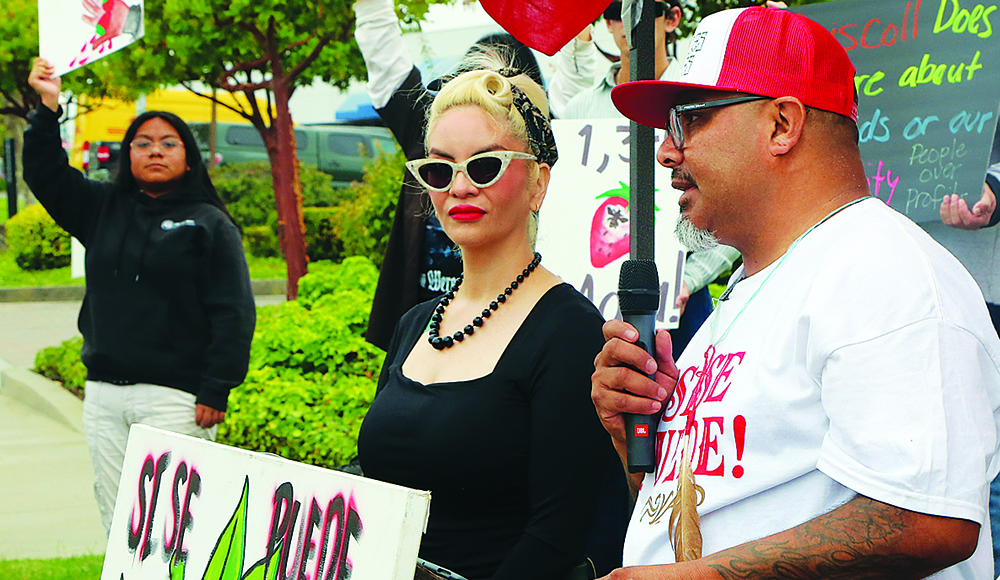
Watsonville-based berry giant Driscoll’s is facing a federal class-action lawsuit alleging the company misled consumers by marketing its conventional strawberries as safe, sustainably grown and subject to rigorous food safety standards while failing to disclose the alleged presence of PFAS-related pesticide compounds, commonly known as “forever chemicals.”
The 65-page complaint, filed June 26 in the U.S. District Court for the Northern District of California, seeks to represent consumers in Illinois, New York, New Jersey and Massachusetts who purchased conventional Driscoll’s strawberries. The plaintiffs allege the company violated consumer protection laws by omitting material information about PFAS-related pesticide residues while promoting the berries as being produced under exceptional quality and environmental standards.
Driscoll’s strongly denied the allegations, calling them “without merit.”
“As a family-owned company, food safety, quality, and integrity are fundamental to who we are,” the company said in a statement. “We maintain robust food safety and compliance programs and rigorous standards designed to support compliance with applicable regulatory requirements.”
The lawsuit does not challenge Driscoll’s organic strawberries, which it says are subject to separate federal organic certification requirements and different pesticide-use standards.
“This consumer protection class action arises from Driscoll’s marketing, labeling, and sale of strawberries that it represents to consumers as being produced ‘subject to rigorous food safety and quality standards’ while failing to disclose the presence, risk of, and/or use of persistent fluorinated pesticide compounds associated with so-called ‘forever chemicals,’” the complaint states.
The lawsuit also accuses the company of “greenwashing,” alleging Driscoll’s portrayed itself as environmentally responsible while using pesticides associated with PFAS chemistry.
“At the same time, Driscoll’s ran an environmentally friendly campaign—greenwashing its true farming and manufacturing practices that included these forever chemicals known to be extraordinarily difficult to clean up and break down and accumulate in the environment and living organisms, including humans,” the complaint states.
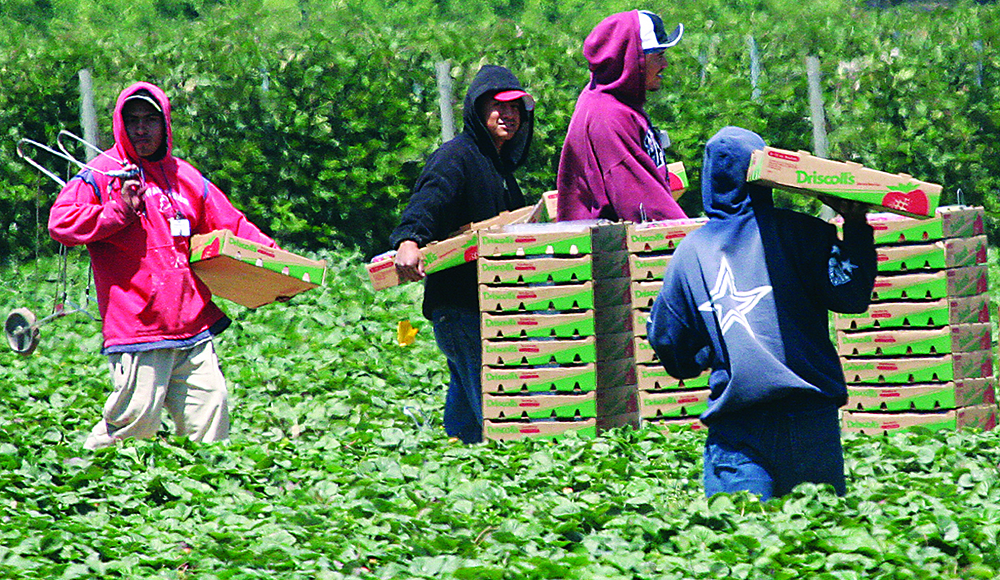
PFAS, or per- and polyfluoroalkyl substances, are a family of thousands of synthetic chemicals that have drawn increasing scrutiny from regulators because they persist in the environment and have been linked in some studies to health concerns.
According to the lawsuit, the case stems from independent laboratory testing published in May by consumer advocacy website Mamavation. The complaint says the testing found residues from 12 pesticides on Driscoll’s conventional strawberries, including eight pesticides the plaintiffs describe as PFAS-related or “forever pesticides.”
Among the compounds listed in the complaint are flonicamid, fludioxonil, flupyradifurone, fluxapyroxad, indoxacarb, novaluron and tetraconazole.
The plaintiffs are not claiming the strawberries made them sick or violated U.S. pesticide residue limits. Instead, they argue they paid premium prices because of Driscoll’s marketing and would not have purchased the fruit—or would have paid less—had they known about the alleged PFAS-related compounds.
“Had Plaintiffs and consumers known the true facts concerning the strawberries, including the presence and/or use of PFAS-related compounds, they would not have purchased the products or would have paid significantly less for them,” the lawsuit states.
A central argument in the complaint is that Driscoll’s built its reputation around food safety, quality and sustainability. The lawsuit cites the company’s trademarked slogan “Only the Finest Berries,” along with website statements touting “rigorous food safety standards,” integrated pest management practices, environmental stewardship and a commitment to reducing synthetic pesticide use.
The complaint argues those statements would lead a reasonable consumer to believe the berries were free of PFAS-related compounds.
The lawsuit also references allegations made in a separate wrongful termination case filed in Ventura County by former Driscoll’s food safety manager Kaz Harada.
According to the complaint, Harada alleges company management knew of pesticide compliance issues involving strawberries sold under the Driscoll’s brand and instructed employees to prioritize protecting the company’s reputation rather than addressing those concerns. The lawsuit further alleges Harada was disciplined and eventually fired after refusing to participate in efforts to conceal or minimize the issues. Those allegations remain unproven and are the subject of separate litigation.
The plaintiffs are asking the court to certify the case as a class action, require Driscoll’s to disclose the alleged presence of PFAS-related compounds in its conventional strawberries and award restitution, damages and other relief to consumers.