

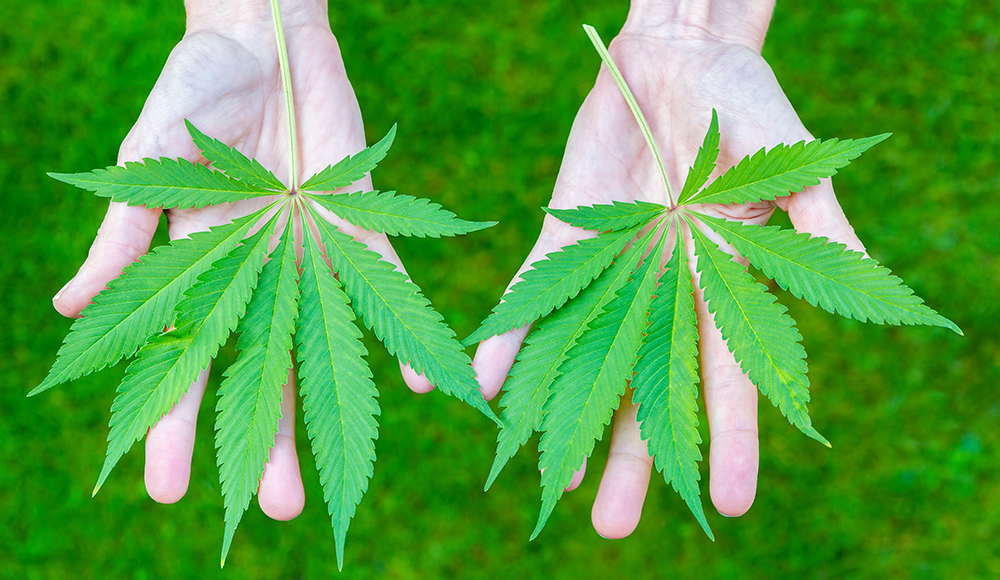
Why is using the word “cannabis” rather than “marijuana” important? This question was prompted by a mistake I made. In my Oct. 27 Good Times column, I quoted Sam LoForti, former Cannabis Licensing Manager, currently Principal Administrative Analyst, as saying “marijuana.” He said “cannabis.” Sam let me know about my misquote, and that led to this examination of why the word “cannabis” is used today.
For those of us who grew up calling it marijuana, the question can feel personal. I thought I had swapped one word for another. For LoForti, the difference has history attached. Dark history.
Sam LoForti and Christopher Carr, a cannabis advocate and 2026 California State Fair cannabis judge, explain why they have stopped using the word “marijuana.”
LoForti traces his decision to his reading about newspaper publisher William Randolph Hearst’s campaign against the plant. He cites Jack Herer’s book The Emperor Wears No Clothes, where the campaign served Hearst’s business interests by targeting a competing source of paper.
LoForti describes the word itself as part of that strategy. “It’s a lot easier to scare people when they don’t know what you’re talking about.” He connects that fear to prejudice against Mexican people. The machinery is simple: describe a frightening drug, associate it with a distrusted population, and let each fear reinforce the other.
The word crossed the border with stories already attached. By 1915, the Ogden Standard in Utah was asking whether the Mexican nation had been driven “loco” by a weed. Its story connected “marijuana” with Mexican “bandits” confronting the United States. Readers were being invited to fear both a substance and a people.
“So, using that term just reinforces this idea that cannabis is some bad thing, and the legality of it is flawed, and, you know, just the racist undertones of the word, if we keep using the word,” LoForti says.
What would he say to someone who has called it marijuana their whole life without intending anything racist?
“I’d say to that person, I don’t doubt you. We all learn different things at different times. Just because you’ve said it your whole life and you’re not racist doesn’t mean you can’t call it something else now. Right? The word is racist doesn’t mean the person using it is.”
Christopher Carr also connects the language to campaigns against the plant, naming Hearst and federal narcotics commissioner Harry Anslinger.
“Marijuana is a highly racialized term,” he says. “It’s a term to identify a specific group of people, and it came from bigotry. It’s a sad history.” Carr thinks changing the vocabulary helped change public perceptions.
“When you look at propaganda, the first thing they do is redefine the terms. Marijuana is a new term that was introduced deliberately to demonize certain groups of people.”
He also connects the campaign to competing industrial interests. “The other key piece is, you know, cannabis was a huge threat to the timber industry. It was also a huge threat to DuPont, and all the new patents that were coming out around the same time.”
For Carr, choosing “cannabis” is also about botanical precision. “The word cannabis or cannabis sativa is the scientific classification of the botanical. Speaking about the plants, we’re trying to speak precisely about cannabis and that species, and that includes hemp.”
Carr identifies as Mexican. I asked whether my Mexican neighbors, who use the word themselves, might be quietly flinching when I say “marijuana.”
“I don’t think they’re flinching. Like the boomer generation, they call it dope. They call it marijuana. I don’t fault them. Because that’s their generation, right?”
LoForti says that in his mind the term “marijuana” has dissolved from the industry but can still be found in research papers. “There’s a lot of research that’s negative about the effects of cannabis and impacts of cannabis on youth driving. It’s interesting that most of that research uses the term ‘marijuana’. Not cannabis. It begs the question: is this research indifferent or not? Well, they gave themselves away.”
For Carr, keeping the conversation open matters. “As long as we’re communicating, as long as we’re opening a dialogue and the doors are open, that’s what it’s all about …so that we can take more steps towards helping people and providing access. So, calling it cannabis is a real step.”
For more Richard Stockton: morningsedition.substack.com