
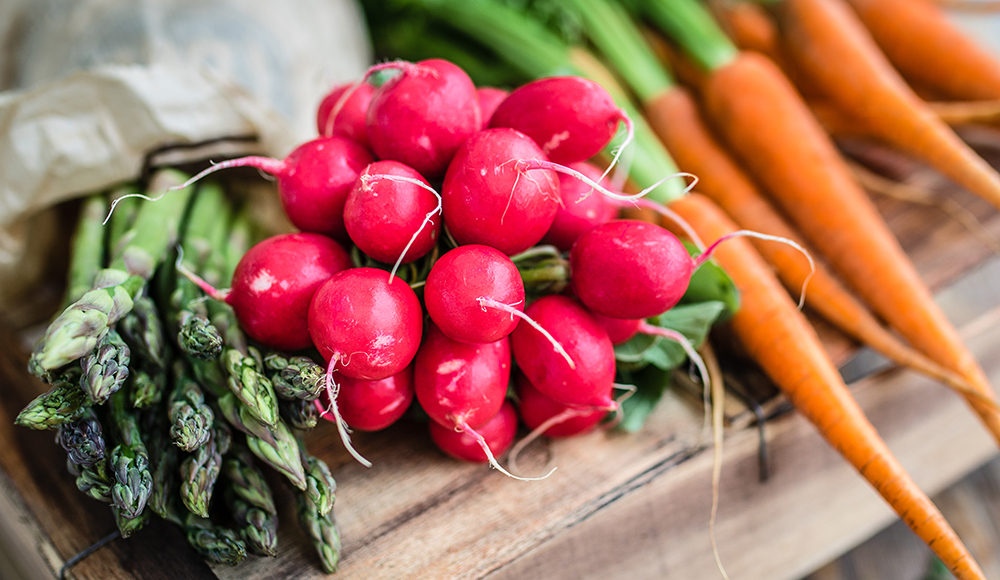
Spring arrives early in Santa Cruz. By the time April rolls around, the farmers markets begin to shift, tables once filled with winter squash and root vegetables now glisten with strawberries, tender greens, asparagus, and fragrant herbs. After months of heavier comfort foods, we’re ready to reach for something lighter, brighter, fresher.
That seasonal craving may be more than just a change in taste. It may also be a quiet nudge toward better mental health.
A growing body of research in nutritional psychiatry suggests that what we eat can influence how we feel, shaping mood, stress levels, and even symptoms of depression. And one of the eating patterns most consistently linked to emotional well-being looks remarkably familiar to anyone strolling through a Santa Cruz farmers market in spring: the Mediterranean diet.
The diet–mood connection
Mental health is complex. Sleep, stress, relationships, genetics, and life circumstances all play a role. But researchers are increasingly recognizing that diet belongs in the conversation too.
Studies have found that diets high in ultra-processed foods, packaged snacks, refined carbohydrates, sugary drinks, are associated with higher rates of depression and anxiety. In contrast, diets rich in whole, nutrient-dense foods are linked to better emotional health.
- Vegetables and fruits
- Whole grains
- Beans and legumes
- Olive oil as a primary fat
- Nuts and seeds
- Fish and seafood
- Moderate dairy
- Minimal processed foods
These are the foods that comprise the Mediterranean Diet. But if it sounds like I’m describing the food categories available at our local farmers’ markets, you’re not far off. In many or most parts of the world, eating this way would be expensive if not impossible. But Northern California farmers produce every single one of these food categories.
In fact, Salinas Valley, nicknamed America’s Salad Bowl, produces a majority of the U.S. supply of summer lettuce, spinach, broccoli, and various leafy greens.
Why these foods support the brain
The connection between Mediterranean-style eating and mental health tracks back to biology.
Anti-inflammatory effects
Chronic inflammation has been linked to depression and other mental health conditions. Foods like olive oil, leafy greens, berries, nuts, and fatty fish contain compounds that help calm inflammation in both the body and brain.
The gut–brain axis
Your digestive system is home to trillions of microbes that influence mood, stress response, and even neurotransmitter production. Fiber-rich foods, like beans, vegetables, and whole grains, feed beneficial gut bacteria, supporting a healthier microbiome.
Key brain nutrients
Mediterranean foods provide essential nutrients that support brain function, including:
- Omega-3 fatty acids (from fish)
- Magnesium (from leafy greens and nuts)
- B vitamins (from legumes and whole grains)
- Antioxidants (from fruits and vegetables)
Together, these nutrients help regulate mood and protect the brain from stress.
Local spring produce that fits the pattern
- Sweet strawberries from Watsonville and Pajaro Valley
- Crisp asparagus, one of the first vegetables of the season
- Artichokes, a true California Mediterranean staple
- Fava beans and English peas
- Peppery arugula, tender spinach, and baby lettuces
- Fresh herbs like parsley, mint, and dill
These foods lend themselves to simple, satisfying meals: grilled fish with lemony asparagus, a fava bean and herb salad, or organic strawberries topped with locally-made yogurt and a handful of walnuts.
Good food, good mood
Mental health challenges affect people everywhere, and there’s no single solution. But diet, something we engage with every day, may be one of the most accessible and empowering places to begin.
Beyond the food on our plates, the way we eat matters as well. Slowing down, paying attention to the food we’re eating, and meals shared with family and friends are also powerful mood boosters. The right foods, regular mealtimes and slow mindful eating help us to regulate our physiology in subtle but meaningful ways.
The Mediterranean diet reminds us that nourishment is about more than nutrients. It’s about mindfulness, intention, and connection to the land, to our food, and to each other.
Elizabeth Borelli is a Mediterranean Diet and Lifestyle expert, coach and teacher. Find free resources and upcoming events at ElizabethBorelli.com