
THURSDAY 4/30
ROCK
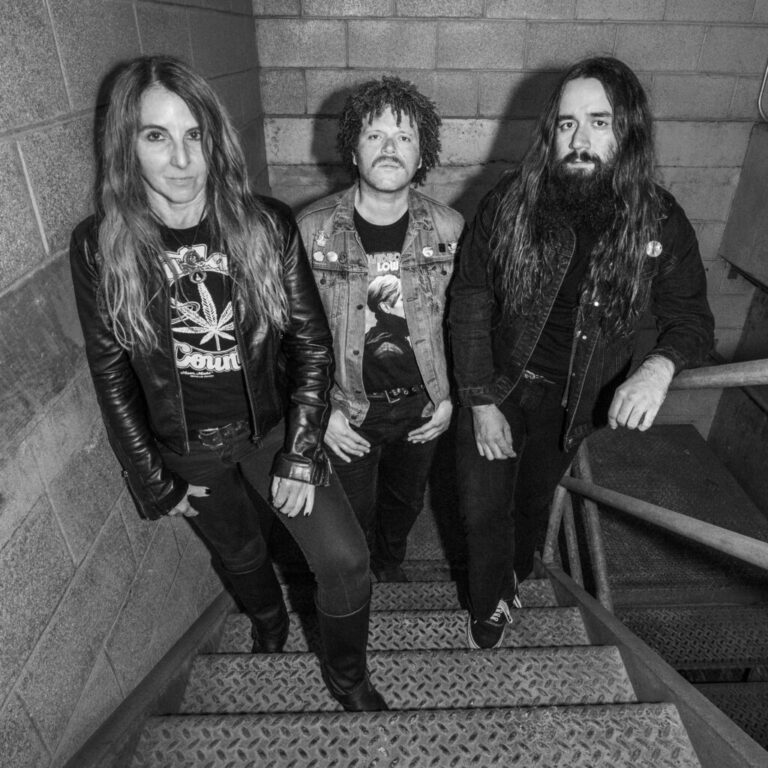
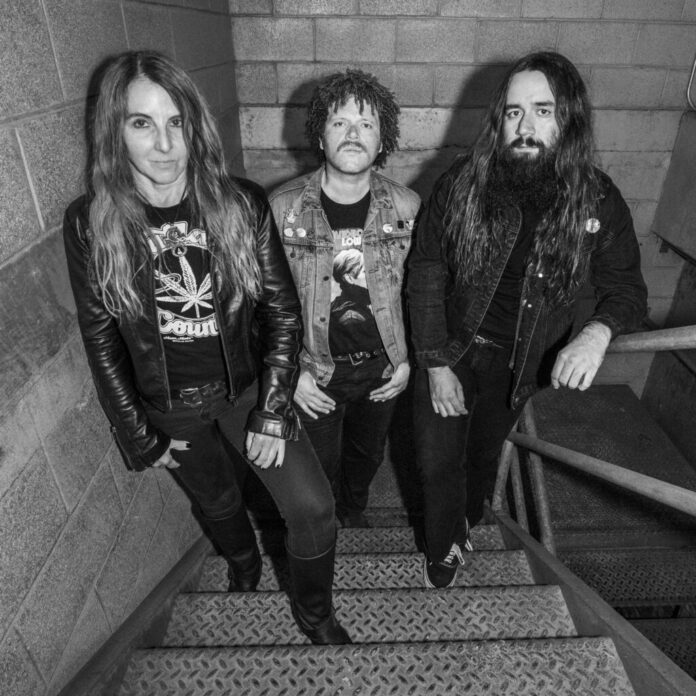
DINING DEAD In seventh grade, Emma Belmont and Sammy Skidmore connected over their love of electric guitar and forged a bond that would draw them back together years later to write songs in Emma’s home and build into a full-blown band. In rock lyric fashion, their songs range from poetic cohesion to nonsensical chaos. Their newest record, Is This A House?, speaks to their orchestral sensibilities, with the aptly named “Overture” introducing the sophomore album. Mixing in ethereal vocals, fuzzy guitar, and a strong backbeat with symphonic violin, the Dining Dead serves a sonic feast.
SHELLY NOVO
INFO: 9pm, Jury Room, 712 Ocean St., Santa Cruz. $10. 426-7120.
EMO
EVERYONE ASKED ABOUT YOU The initial run of this twee pop group from Little Rock, Arkansas, happened in the mid-to-late ’90s. The group released a trio of EPs. Those records were well-regarded by the few who heard them, but the group failed to gain notice beyond a local following. They disbanded in 2000. But when Numero Group reissued the band’s 2023 record Paper Airplanes, Paper Hearts, Everyone Asked About You earned belated attention. In the wake of renewed interest, they reunited and began work on new music. The Never Leave EP was released in 2024. First Day Back opens. BILL KOPP
INFO: 8pm, Catalyst, 1101 Pacific Ave., Santa Cruz. $29-$31. 713-5492.
FRIDAY 5/1
POP-UP EXHIBIT
HONORING MISSING AND MURDERED INDIGENOUS WOMEN AND GIRLS Started in 2010, Red Dress Day, or Red Dress Campaign, is meant to remember and honor indigenous women and girls who are missing or have been murdered. It is part of a larger, global Missing and Murdered Indigenous Women and Girls (MMIWG) movement. They advocate for the end of violence against native women, and they bring attention to the high rates of kidnappings and murders against native women and girls. This pop-up exhibit continues to uplift the voices of native women and girls to raise awareness. It was curated by Tahnee Henningsen, Concow, Maidu, and Rebecca Hernandez, PhD, Mescalero & Warm Springs Apache. Goes until 5/17. ISABELLA MARIE SANGALINE
INFO: 12pm, The MAH, 705 Front St, Santa Cruz. Free. 429-1964.
THEATRE
STRANGER WITH THE TRUTH Mental Health takes center stage at Satori Arts, in a play about a missing son living in the shadows of schizophrenia. Timelines dissolve as the narrative traces the son’s life, disappearance, and the secrecy that rocked a family. This is a kinetic performance combining theatre, movement, singing and original music. In a world where people have trouble connecting in the best of conditions, those who live with or suffer from psychosis and schizophrenia are often voiceless. A post-show panel conversation aims to humanize individuals and families who try to integrate wildly converging perspectives, with community members sharing their stories of living with or caring for those with mental illness. DNA
INFO: 7pm, Satori Arts, 815 Almar Avenue Unit 9, Santa Cruz. $35.98. (314) 503-8441.
SATURDAY 5/2
PUNK
CRUZAPALOOZA Those who were there last year can attest that Cruzapalooza is a wild time. After all, where else in Santa Cruz can one get punk and metal bands accompanied by underground wrestling? This year they’ve booked some legendary names in the punk scene to blast the ears with Fear, Flipper, rADOLESCENTS (featuring Adolescents original members Rikk Agnew and Casey Royers) Ch3 and Grim, along with a bunch of newcomers like Midnight Dumpster Fire, and Rabbit Ruck. Hitting the ring (yes, they built an actual wrestling ring inside the Catalyst main room) are some Bay Area heavies like Dave Reckoning, the Stoner Bros, and Mighty Mayra. MAT WEIR
INFO: 12pm, Catalyst, 1011 Pacific Ave., Santa Cruz. $77-82. 713-5492.
ROCK
PEACH PIT Since their 2016 debut, Peach Pit has earned a steady following with their uniquely sonic sound. Maybe it’s because they’re Canadian, or maybe they are just the right people for the right time. What is known is they call their music “chewed bubblegum pop,” which is equally hilarious and also insightful, as it’s definitely a little crunchier than the normal bubblegum pop music. Pairing them with the Quarry Amphitheater is a brilliant idea, as the lights, trees and rock formations mixed with the music almost guarantee a magical night. MW
INFO: 8pm, Quarry Amphitheater, 1156 High St., Santa Cruz. $61-$91. 459-4184.
SINGER-SONGWRITER
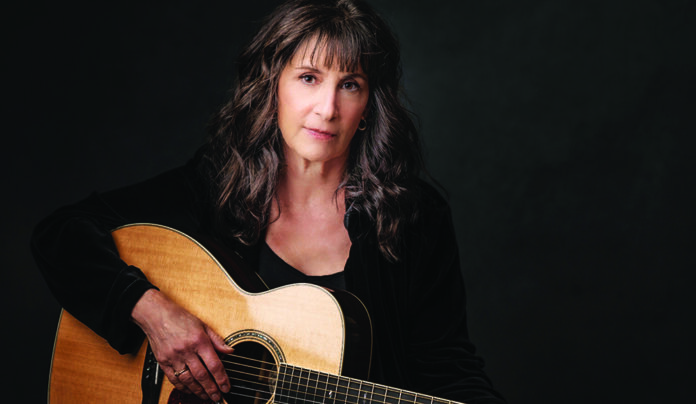
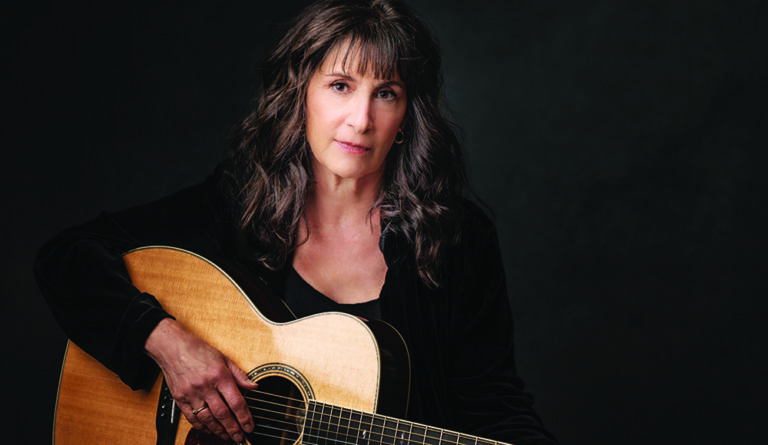
KARLA BONOFF Karla Bonoff entered the singer-songwriter pantheon somewhat late in that genre’s timeline. But her 1977 self-titled debut displayed her talents as a songwriter, vocalist and instrumentalist of high quality. Bonoff’s impeccable taste (and her choice of musical associates) has long been a hallmark of her output. Never the most prolific of recording artists, she has released a mere seven solo albums of original material over the past 45 years. Three Bonoff songs: “Home,” “Tell Me Why” and “Isn’t it Always Love” are best known for their cover versions by (respectively) Bonnie Raitt, Wynonna Judd and Lynn Anderson. Bonoff’s live performances are consistently engaging. BK
INFO: 8pm, Felton Music Hall, 6275 Highway 9, Felton. $65. 705-7113.
SUNDAY 5/3
FOOD
EMBRACING LA DOLCE VITA Instructor Elizabeth Borelli invites eager students to gaze upon the shades of color and depth of flavor the Mediterranean lifestyle can bring about. Armed with practical tips and simple recipes, anyone can enrich their gut health, eat more mindfully, and celebrate every meal. This course is designed to showcase the abundance that eating plant-based, vegan meals can offer. It also offers guidance into meal planning that can reduce stress. Elizabeth will dispel myths that eating food this nutritious is too expensive, too much work, or too bland, and will offer a fresh perspective that will awaken the senses. SN
INFO: 1pm, Cabrillo College, Aptos Main Campus, 6500 Soquel Dr., Aptos. $106. 479-6100.
WEDNESDAY 5/6
JAZZ
LUCIA The Kuumbwa continues to bring world-class jazz to downtown Santa Cruz and this time it’s a chance to see Lucia, the 24-year-old sensation from Veracruz. Winning the 2022 Sarah Vaughan International Jazz Vocal Competition afforded Lucia the opportunities to collaborate with Natalia Lafourcade, Aloe Blacc, La Santa Cecilia, Quetzal, Son de Madera, Alex Mercado, and the National Jazz Orchestra of Mexico. Lucia just released her first full-length album, with her interpretations of jazz classics, mixed with modern pop songs. DNA