
Watsonville Nonprofit Owner Says She Was Scammed By Tara Reade

Lynn Hummer, founder and president of the Watsonville-based Pregnant Mare Rescue, remembers a woman named Tara McCabe emailing her in 2014 and asking if she could help out and volunteer with her nonprofit.

Things started out fine, but Hummer says the relationship frayed after two yearsโ€”once her volunteer had taken more than a combined $2,000 from Hummer herself and from her organization. Hummer grew to believe that the woman was constantly playing the angles or looking to run a scam. โ€œShe was always in crisis, always looking for money,โ€ Hummer says.

That woman, Tara McCabe, is better known these days as Tara Reade. 

Reade is the former Joe Biden aide who has accused her former boss, the presumptive Democratic presidential nominee, of sexually assaulting her in 1993. Hummer told her story to Ed Krassenstein, one half of the Krassenstein brothers, who posted a story about Hummerโ€™s experiences to the site Medium. Hummer has since learned that the pro-Biden Krassenstein brothers duo has a less-than-stellar reputation, having been banned from Twitter last year for operating fake accounts. None of that changed how Hummer felt about their finished productโ€”the details in their post, she says, were all correct. โ€œThey did a good job,โ€ Hummer says of the Krassensteins. โ€œThey got the facts right, and they got the timeline right.โ€

In 2015, Hummer says Reade fell in love with Charm, one of the horses Hummer had rescued. Reade asked Hummer to let her take Charm home and also waive the adoption fee. Hummer agreed. Hummer says that Reade later called a veterinary doctor from out of the county, racked up $1,400 in veterinary bills and tricked Pregnant Mare Rescue into paying Charmโ€™s medical bills by having the bills sent to the nonprofit, where the bookkeeper paid the expenses without understanding the backstory or asking any questions, Hummer explains. Prior to that, Hummer says that Reade repeatedly begged for money. She says she ended up lending Reade more than $800 on three occasionsโ€”none of which Reade ever repaid. Additionally, Reade once hid her car on Hummerโ€™s ranch to avoid having it repossessed, Hummer says. One time at a fundraiser, Reade hid a raffle ticket jar under a table to ensure that she would win the drawing by only entering one ticket, Hummer says. The bottom line, she says, is that Reade canโ€™t be trusted.

โ€œI feel in my heart as an American citizen that this woman is a very big fraud. In my opinion, sheโ€™s very dangerous, especially in this year, this time,โ€ Hummer says.

FOALS RUSH IN

Reade was born locally, in Montereyโ€”as she recently told interviewer Megyn Kelly in a sit-down interview posted to Youtube.

In the discussion, which focused primarily on Readeโ€™s allegations about Biden, Reade accused Biden of digitally penetrating her in a Senate hallway. Reade first went public in April 2019 with allegations of sexual harassment, including how Biden would touch her shoulder and run his finger up her neck. In March of this year, Reade came forward with her additional allegation, one of sexual assault.

Reade, who voted for Bidenโ€™s opponent Senator Bernie Sanders in the 2020 presidential primary, has said that she filed a formal complaint and told three colleagues about Bidenโ€™s inappropriate behaviorโ€”but not the sexual assault. Those former colleagues have all denied ever hearing a complaint of any kind. The Senate personnel office does not have a record of such a complaint, nor does Reade herself. The Biden campaign also says it has no record of the complaint, and Biden has emphatically denied that the assault ever happened, with the former vice president recently telling MSNBC that anyone who believes Reade โ€œprobably shouldnโ€™t vote forโ€ him.

Reade could not be reached for comment. But her lawyer Douglas Wigdorโ€”a Republican, who donated to President Donald Trumpโ€™s 2016 campaignโ€”tells GT via email that โ€œsadly, unsubstantiated attacksโ€ like Hummerโ€™s โ€œwill have a chilling effect on other survivors grappling with the prospect of coming forward.โ€ In the absence of an independent and nonpartisan investigation from the Democratic National Committee, Wigdor, who represented several sexual assault victims of Harvey Weinstein, says that he and Reade are โ€œexploring next steps in an effort to get to the truth.โ€

Hummer has taken a lot of phone calls about her experience. Many callers come with their own agendas, and some are looking to poke holes in Hummerโ€™s narrative. Some of Hummerโ€™s friends think she should be more careful about which calls she takes. But Hummer stresses that she has the receipts and emails to back up her version of the events, and regardless, she says sheโ€™ll share her experience with anyone who will listen.

โ€œOf course, now Iโ€™ve learned that some are in the Trump camp and theyโ€™re gonna support the story,โ€ she says. โ€œAnd I keep telling people, โ€˜For me, itโ€™s not about any of that. Itโ€™s about showing this woman for her true colors. I think sheโ€™s really dangerous. I think she dishonors women. She could affect a presidential campaign. That is heavy stuff, regardless of how I feel about the candidates. Iโ€™m waiting for someone other than the Krassensteins to make the story. Iโ€™ve talked to the Rolling Stone. Iโ€™ve talked to Politico. Iโ€™ve talked to the Washington Post. Iโ€™ve talked to CBS, NBC. Iโ€™ve talked to Atlantic.โ€

On Friday afternoon, Politico broke a story about Reade, outlining her pattern of apparently leapfrogging from one California property to another, often leaving her aggrieved landlords and other acquaintances feeling manipulated or deceived in her wake.

Hummer says McCabe repeatedly bragged about her work on behalf of Biden. Other skeptics have noted that Hummer liked and retweeted praise for Biden, including his work combating sexual assault.

โ€œIโ€™ve always been conflicted about Joe Biden,โ€ Reade told Kelly in their chat. โ€œI didnโ€™t want to talk badly about him, and I wasnโ€™t ready to tell my history with Joe Biden at that point at all.โ€

Reade also said that Bidenโ€™s work on the Violence Against Women act was very important to her. Last year the Monterey County District Attorneyโ€™s Office cited Reade as โ€œa domestic violence expert,โ€ who โ€œprovided critical testimonyโ€ in achieving a conviction for a man who assaulted his girlfriend.

TRUTH OR MARE

In her discussion with Kelly, Reade remarked that itโ€™s been oddly โ€œfreeingโ€ to watch skeptics dig into her past and excavate skeletons from her closet, including the details of her bankruptcy.

Readeโ€™s bankruptcy happened in 2012, when Reade was living in Santa Cruzโ€™s Midtown area. She owed $400,000 in various debts, including taxes, according to court documents.

Hummerโ€™s account of her experiences with Reade is corroborated by local attorney and fellow equine rescuer Kelly Klett, who briefly had Reade as a tenant in the late spring of 2018. Klett checked in with Hummer just before Reade moved in. Hummer warned Klett about her own experience with her former volunteer. Reade ultimately only stayed with Klett for a couple months before moving out. โ€œShe misrepresented her financial status and couldnโ€™t pay,โ€ Klett says.

While living in Klettโ€™s home, Reade damaged a fountain on the property. She pleaded with her landlord to return her full deposit, promising to repair the fountain herself. Reade never fixed the fountain, Klett says. Klett says Reade also took some of her law books. At this point, Klett says she doesnโ€™t expect to ever see those books again.

Hummer says she last saw Reade at a local feed store in October 2018. Reade said hello, Hummer remembers, but she ignored her onetime volunteer.

In regards to her own allegations, Hummer says she never thought to file a report with the Santa Cruz County Sheriffโ€™s Office. She also never seriously considered taking Reade to court.

โ€œWell, number one, that takes money,โ€ Hummer says. โ€œIโ€™d rather spend it helping horses than chasing after someone who I know doesnโ€™t have a dime. Number two, it takes resources. We donโ€™t have any staff. Weโ€™re small. I have a bookkeeper and a barn manager and me. Weโ€™re the three main peeps. I donโ€™t have someone doing my internet and my blogging and someone else doing my social media. Thatโ€™s not how it works.โ€

Additional reporting by Jennifer Wadsworth.

Initiative Celebrates Farmworkers as Lawmakers Call for More Support

After working a long shift picking strawberries and greens, dozens of farmworkers and their families received the royal treatment thanks to a new program from El Pรกjaro Community Development Corporation.

Called the Farmworkerโ€™s Family Dinner, the initiative treated 38 familiesโ€”roughly 230 peopleโ€”to meals from El Pรกjaro CDCโ€™s entrepreneurs that prepare food at the organizationโ€™s commercial kitchen incubator off Riverside Drive.

The hope, El Pรกjaro CDC Executive Director Carmen Herrera-Mansir said, was to give farmworkers a break from cooking dinner for one night and โ€œhonorโ€ them with a free meal.

Herrera-Mansir said her father worked in the fields and her grandparents came to the U.S. through the Bracero Program, a part of the 1942 Mexican Farm Labor Agreement that allowed growers to import low-cost agricultural labor from south of the border.

โ€œWhen we were doing this last week, it made me think back to my dad and his familyโ€ฆIโ€™m pretty sure this wouldโ€™ve been something very nice for the family,โ€ Herrera-Mansir said.

The program was, too, a boost for the entrepreneurs working out of the incubator kitchen who have been devastated due to the restrictions put in place to slow the novel coronavirus. Most caterersโ€™ summer plans have been axed, and Herrera-Mansir said they have lost at least 75% of their typical income.

Although the kitchen is hosting daily pop-up lunch and dinner for takeout, they are still struggling to make ends meet and most did not qualify for support from the more than $2 trillion Coronavirus Aid, Relief, and Economic Security (CARES) Act.

Through the Farmworkerโ€™s Family Dinner program, sponsors pay caterers such as Rogue Pye and Cuevas Express Foods $50 to make and deliver the six-person meal.

Every dollar goes to the caterer.

โ€œIt helps everyone,โ€ Herrera-Mansir said. โ€œFor me, itโ€™s a win-win.โ€

El Pรกjaro CDC delivered meals to farmworkers at JSM Organic Farms and Sun Valley Farms during its first week. Herrera-Mansir said she hopes to deliver at least 10 meals per day Monday-Saturday and eventually expand to other farms.

To sponsor a meal, visit:ย bit.ly/2zqByn1.ย 

โ€œIโ€™m a big dreamer,โ€ she said. โ€œIt all depends on the community. Weโ€™ll let the community decide how big this gets.โ€

The program is one of many that have rallied to support and celebrate the farmworkers who are still sprinting up and down fields during the statewide stay-at-home order as essential workers.

According to the Center for Farmworker Families (CFF), a nonprofit that advocates for that communityโ€™s rights, roughly 75% of the stateโ€™s farmworkers are undocumented. In Santa Cruz County, the CFF says, 83% of farmworkers do not have documentation, and, in turn, did not receive any help from the CARES Act.

That lack of support has put pressure on officials and organizations to find ways to aid that population.

Locally, the City of Watsonville collected thousands of diapers, baby wipes, cans of formula, masks and glovesโ€”much of it coming through a large donation from the Watsonville Police Officerโ€™s Associationโ€”during a week-long farmworker relief drive. 

The supplies, according to Deputy City Manager Tamara Vides, are enough for two months of distributions through CFF.

The state, too, recently endowed Monterey County with 750,000 masks specifically designated for agricultural workers. The supply, which will benefit roughly 25,000 workers over 30 days, came weeks after county officials and Assemblymember Robert Rivas called for greater protections for farmworkers.

Rivas, who represents the Pajaro Valley, Salinas and South Monterey County, said the mask delivery was โ€œan important step in providing the necessary protection for farmworkers who do the hard work that puts food on our tables.โ€ But, in a letter to Gov. Gavin Newsom, Rivas last month also requested that the state expand testing and temporary housing for farmworkers.

Through a deal with OptumServe, the state established community testing sites in Watsonville, Salinas and Greenfieldโ€”three of 80 earmarked for rural towns and underserved communities. Rivas last week asked Newsom for an additional $25 million to expand Project Room Key, an initiative aimed at housing homeless people during Covid-19, to sick or at-risk farmworkers. That cash, Rivas said, would be enough to guarantee at least 3,000 rooms for three months, benefiting as many as 40,500 workers.

โ€œThere have already been Covid-19 outbreaks among agricultural workers in such places as South Dakota, Nebraska and Pennsylvania,โ€ Rivas said in a press release. โ€œA similar outbreak here in California would threaten our stateโ€™s food supply chain at a critical time.โ€

Covid-19 cases in Santa Cruz County have remained low, with 149 confirmed cases from more than 5,000 tests. Neighboring Monterey County, however, has performed about 1,000 fewer tests but has roughly twice the number of cases. Almost half of those cases have been in people working in agriculture, underscoring the uncertainty farmworkers are currently facing.

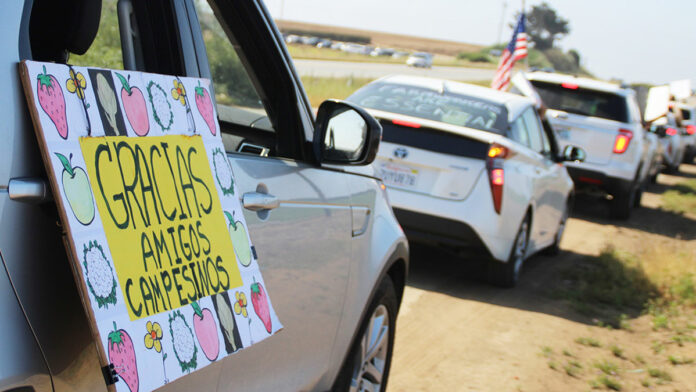
In response, a community group has organized a weekly show of appreciation called the Watsonville Campesino Appreciation Caravan. A long line of cars winds down Watsonvilleโ€™s outskirts, stopping at a half-dozen fields to honk their horns, blare Spanish music, shower farmworkers with applause and hold signs reading โ€œFarmworkers are essential.โ€

The group has received recognition from national media and inspired other caravans in Salinas, Brentwood and Gilroy, among other cities. On Cinco de Mayo, they hired mariachi band Nuevo Jalisco to serenade workers during their lunch break, and on Motherโ€™s Day weekend they sang โ€œLas Maรฑanitasโ€ and delivered cards and gifts to the mothers performing essential labor. 

They also provide farmworkers with a bag full of informational fliers about the Census and social distancing requirements, as well as the resources available through nonprofits such as the Community Action Board of Santa Cruz County, the CFF and Regeneraciรณn-Pajaro Valley Climate Action.

โ€œOur purpose was to not only thank the campesinos but to also provide some information,โ€ said Ruby Vasquez, one of the dozen local organizers that helped start the caravan.

Many of those organizers have deep roots in the fields. Vasquezโ€™s parents made their living as farmworkers and still sell strawberries today. Others, such as Angela Martinez, spent their summers during high school picking Pajaro Valleyโ€™s top crop to help their parents feed their family.

โ€œItโ€™s long hours, itโ€™s a hard job and no one ever says โ€˜thank youโ€™ when weโ€™re out there,โ€ said Martinez, who was born south of the border in Oaxaca and raised in Baja. โ€œThey deserve thanks, now more than ever.โ€

Martinez now attends CSU Monterey Bay and is earning a degree in education. She hopes to teach bilingual (English-Spanish) elementary classes while integrating her first language, Mixteco, a dialect spoken by natives from Oaxaca. 

She provides Mixteco translation for the cravan during its stops.

She said her parents and siblings worked arduous hours in the fields to put her through college. She hopes her work with the caravan can lift the spirits of those working in the fields today.

โ€œEvery time Iโ€™m out there, I think about my family,โ€ she said. โ€œIโ€™m receiving an education thanks to them.โ€

To sign up to participate in the caravan visit the โ€œWatsonville Campesino Appreciation Caravanโ€ Facebook page.

County Weeks Away From Opening Restaurants for Dine-in Service

Though some rural counties are allowing restaurants to open for dine-in service, Santa Cruz County officials are still several days away from giving their restaurateurs the green light.

Thatโ€™s according to county spokesman Jason Hoppin, who on Tuesday said testing and contact tracing capacity still needs to be ramped up in order for the county to meet state requirements to advance further into the second phase of the so-called โ€œResilience Roadmap.โ€

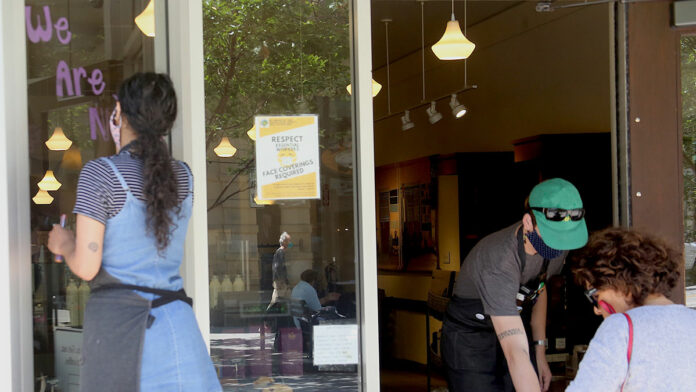
Gov. Gavin Newsom on Tuesday released a lengthy document on how restaurants could reopen at a reduced capacity for dine-in service. It requires eateries to, among other things, increase disinfecting routines, enforce strict social distancing guidelines and provide additional protection, training and symptom screening for their employees.

Hoppin said restaurants interested in reopening should study this document and ready their so-called โ€œWorkplace Specific Planโ€ as the county works toward meeting the requirements for the local variance.

In order for the county to receive that designation, it must prove several things, including that it has โ€œflattened the curve,โ€ can effectively protect its essential workers, has a large hospital bed capacity and can provide temporary housing for those who cannot self-isolate at home.

Hoppin said the county has made progress on most items on the checklist but must still increase its testing capacity above 400 tests per day and hire 42 contact tracers, who will be tasked with locating and talking with the patients, assisting in isolating them and identifying people with whom the patients have been in close contact with. It is closing in on both numbers, Hoppin said. 

Santa Cruz County Health Officer Dr. Gail Newel said at Thursdayโ€™s press conference that it would be roughly four weeks before the county meets those requirements.

The county will pursue the variance when it meets the requirements, Hoppin said.

โ€œWeโ€™re trying to move in that direction to get them open,โ€ he said. โ€œWe believe weโ€™ll get there, possibly, a bit ahead of our neighbors.โ€

Even if the county meets those requirements and allows restaurants to reopen for dine-in service, it is still unknown how many people will walk through their doors while Covid-19 is still a threat. A recent poll conducted by Emerson College found that just 35% of diners would be comfortable eating inside of a restaurant even with some social distancing requirements.

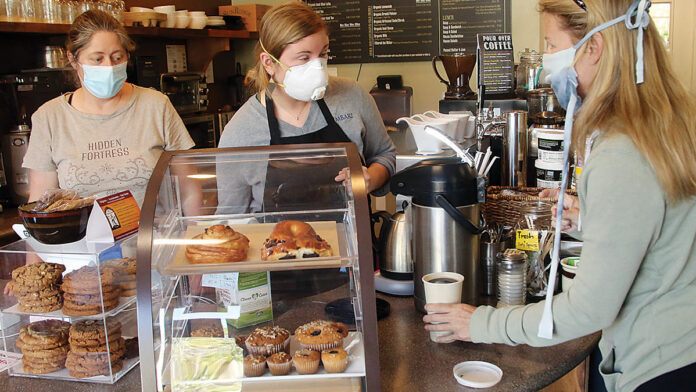
That underscores the current volatility of the industry, which in California has mostly shifted to pick-up orders since the statewide stay-at-home order went into effect in March.

โ€œItโ€™s not just going to be the rules, itโ€™s going to be the confidence of people wanting to go out,โ€ Hoppin said.

Several restaurateurs in Watsonville said they have been bombarded with clients, mostly young people, asking when they will eventually reopen. Most were confident their customers would visit their establishment if they were allowed to open.

Their biggest hurdles to reopening, they said, would be meeting the guidelines, training their staff and the hidden costs with small items such as masks, gloves and disposable menus.

โ€œAll of those small things add up for us,โ€ said Andrea Saavedra, manager at The Farm House restaurant on Green Valley Road. โ€œSmall business owners have been left with that bill.โ€ 

Slice Project co-owner Brando Sencion said business has been up and down during the pandemic, as his Main Street pizzeria has offered pickup orders of whole pies and craft beer. Sencion said he would not immediately open when the rules are relaxed, and is instead focusing his efforts on their budding takeout service.

โ€œI think weโ€™re doing fine right now,โ€ he said. โ€œYou might say weโ€™re taking a very slow approach, but I think weโ€™re going to be OK with what weโ€™re doing.โ€

The Team Working on How to Reopen Santa Cruz County

The consensus among epidemiologists studying the spread of Covid-19 is that governments have three choices on moving forward, two of which are politically and ethically unacceptable.

The first is to loosen restrictions in place without adequate safeguards, which will likely result in much more suffering and death. The second is to continue lockdown indefinitely, which will cripple the worldโ€™s economy.

Santa Cruz County is now among many government entities around the world proceeding with the third option, a systematic and deliberate approach to control and reduce the virusโ€™s transmission, endorsed by, among others, the World Health Organization.

Informally known as โ€œtest, trace and treat,โ€ the control strategy is at the heart of a recently announced county initiative known as SAVE Lives Santa Cruz County, to be led by longtime health-care executive Margaret Lapiz. The new initiative will work to put structures in place to allow businesses to reopen in compliance with Gov. Gavin Newsomโ€™s statewide staged plan to reopen the economy.

Working with the county Health Services Agency, with funding assistance provided by Community Foundation Santa Cruz County, SAVE Lives will be in charge of widespread testing, contact tracing, and services to help aid appropriate quarantine or self-isolation.

Such efforts come with a price tag. Community Foundation CEO Susan True says the budget for the initiative is โ€œstill a moving target because itโ€™s still unclear what the state will be paying for and where the restraints are. But itโ€™s definitely in the seven-figure range.โ€

Ideally, True says, testing will be done in stages, for medical personnel and other essential high-risk workers, people who live in residential care facilities, and then for the low-risk shelter-in-place population.

With the data collected from more widespread testing, the new initiative will then turn to โ€œcontact tracing,โ€ the process by which health officials can map and ultimately control the spread of the virus.

Contact tracing is not new; itโ€™s been an effective tool for epidemiologists for generations. At its core, itโ€™s detective work, a painstaking and exacting process of following the transmission of a given contagious agent from person to person, to learn more of its distinctive qualities, and to control its spread.

In early May, Newsom announced that California would be training a force of up to 20,000 people to do Covid-19 contact tracing throughout the state, which would also standardize various methods that counties are already doing. (If those tracers are deployed to the counties on the basis of population, Santa Cruz County would be in line to get about 140 of those tracers.)

A. Marm Kilpatrick, a disease ecologist at UCSC, says contact tracing operates on the basis of probabilities and risk. โ€œWhen we do contact tracing,โ€ he says, โ€œthe major goal is not necessarily to identify every single person you could have transmitted to, but to identify people who you had the higher risk of transmitting to.โ€

Covid-19โ€™s infection profile gives tracers factors to work with. Close contact and long-duration contact are big risk factors, as is sharing confined airspace, as in an airplane, a bus, or even an office. Even in those cases, though nothing is absolute, Kilpatrick says.

โ€œYou could be sitting on a bus with five other people and you may infect only one and not the other four,โ€ he says. โ€œIt could be in which way you were facing, the difference between person to person in disease severity, in age, in pre-existing conditions, even in their susceptibility to infection.โ€

For contact tracing to work, comprehensive testing needs to be in place, and that testing needs to move from a passive modeโ€”waiting for people to show up at their doctorโ€™s office or at hospitalsโ€”to an active oneโ€”inviting people, even those with no symptoms, to be tested. Both testing and tracing have to move quickly to be effective as well.

Once testing and tracing are in place, the third piece will be to manage quarantines for high-risk populations to whom shelter-in-place restrictions pose special challenges, such as undocumented workers and the homeless.

The undocumented population is of particular concern, county Public Health Officer Dr. Gail Newel said in a press conference Thursday, May 14. Members of those communities may be less likely to seek medical care and more likely to go to work when theyโ€™re sick, especially when their jobs donโ€™t offer benefits, she explained. Additionally, there could be language and cultural barriers. Some undocumented residents may have been traumatized by past experiences, and they could be afraid of being separated from their families during a quarantine. โ€œItโ€™s probably our communityโ€™s most vulnerable population,โ€ Newel said.

Santa Cruz County is currently at the beginning of stage two of its reopening strategy, meaning that some retail stores are open for curbside pickup. Later in stage two, schools could reopen. California will likely be waiting more than a month for Newsom to announce stage three, which is slated to include hair salons, nail salons and movie theaters. Large events and concerts would be part of the following phase, stage four.

The final part of the mission of SAVE Lives Santa Cruz County will be to develop support systems and resources for local businesses to reopen safely. The new plan is putting together an economic recovery team to assist businesses in meeting the stateโ€™s guidelines on reopening.

โ€œItโ€™s a lot to manage,โ€ says Susan True of the Community Foundation, which will be doing much of the work in financing these efforts. 

True says the foundationโ€™s work to fight the spread of Covid-19 in Santa Cruz County is in keeping with its founding following devastating floods in 1982.

โ€œOur origin story is in disaster,โ€ she says. โ€œWhen the 1982 floods came, we couldnโ€™t wait for federal and state officials to send us what we needed. So, the Community Foundation formed as a central place for neighbors to help neighbors and to respond to the pressing needs of the time. Thatโ€™s what the foundation was meant to do and I feel very much that is how weโ€™re being deployed right now. This is why we exist.โ€

Santa Cruz County Faces Estimated $20M Deficit and Enters ‘Cut Mode’

Santa Cruz County will dip into its budgetary reserves to cover an estimated $20 million deficit in this yearโ€™s budget, which stems from revenue losses caused by the coronavirus pandemic.

The Board of Supervisors unanimously approved the request by County Administrative Officer Carlos Palacios during their public meeting on Tuesday.

The discussion was a grim first look at this yearโ€™s budget projections, which come ahead of financial discussions in late June, and hearings in August. The supervisors will adopt a final budget by Sept. 15.

Palacios told the supervisors that the county will be in โ€œcut modeโ€ as it seeks to ameliorate revenue losses of at least 20% each to property tax, cannabis business tax, sales tax and transient occupancy tax, which together make up about 89% of the countyโ€™s discretionary revenues.

The budget projections get worse in next yearโ€™s budget, when the deficit could grow to $40.5 million.

Palacios said that the financial picture for the county over the next two years is likely to be worse than the recession of 2008.

โ€œThis situation we are facing right now is actually twice as bad as the great recession,โ€ he said. โ€œWe are facing a very difficult situation ahead of us. Itโ€™s something Iโ€™ve never seen in my 30 years of government service.โ€

The presentation was not all bad news. 

Palacios said that, thanks to โ€œvery good fiscal stewardshipโ€ exercised by the board, that the county has tripled its reserves to $56 million, which will allow it to cover the expected deficit.

The county has also improved its credit rating and reduced pension obligations and kept its workforce low while still offering high levels of service.

Still, government officials nationwide continue to be in damage assessment mode as effects of the pandemic multiply.

โ€œWe know itโ€™s not good, we just donโ€™t know how bad it is,โ€ Palacios said.

Santa Cruz County budget manager Christina Mowry said that the county was already bracing for a deficit before the pandemic hit and was well poised to cover the costs.

โ€œBut we expected to be able to meet those obligations and preserve our reserve, because we felt these deficits were manageable, anywhere from 3 to 4 to 6 (or) 7 million,โ€ she said. โ€œWe knew that was going to be difficult and challenging.โ€

Mowry pointed out that the $20 million deduction will reduce the countyโ€™s reserve by one-third.

โ€œThatโ€™s a considerable amount,โ€ she said.

Worse, the county is facing a $40.5 million general fund deficit, Mowry said.

The county is now hoping for federal relief, which will take some of the sting out of the deficit. The Federal Emergency Management Agency, she said, could cover as much as 75% of the countyโ€™s emergency costs.ย 

โ€œWe have the possibility before us of being in a truly horrendous budget situation if we do not receive any aid,โ€ Palacios said, adding that services would be impacted and that the county among other things will ask its employees to agree to furloughs.

Storrs Winery and Vineyards’ Memorable 2016 St. Clare Red Wine

Storrs Winery needs no introduction. Stephen and Pamela Storrs have been in the local wine business for a long time, and their wines can be found in many stores and restaurants.

We opened up a bottle of Storrs St. Clare Red Wine to have with dinner on a quiet Covid-19 Sunday. Simply putโ€”it was terrific! Drinking good wine during the shelter-in-place order is certainly uplifting, and this red-wine blend by Storrs Winery was just what the doctor ordered! I donโ€™t remember what I cooked for dinner, but I do remember the wine!

Storrs Wineryโ€™s 2016 St. Clare Red Wine ($26) is an intriguing blend of Malbec, Cabernet Sauvignon, Merlot, Petit Verdot and a touch of Cabernet Franc. Grown in an โ€œidyllic localeโ€ in Santa Clara Valley, grapes for this wine benefit from excellent drainage and ample sunshine. The end result is a โ€œdeep ruby red with a purple edgeโ€”with a nose of cassis, black Tartarian cherry, and a hint of granite after a summer rain.โ€ Aging in French oak brings out bold flavors of cassis, ripe cherry and plumโ€”with some touches of soft vanilla.

In their estate Hidden Springs vineyard, Stephen and Pamela are dedicated to growing organicallyโ€”even bringing their flock of Olde English Babydoll sheep to graze the weeds in winter months โ€œto promote a more balanced, self-sustaining system.โ€

During the pandemic, Storrs Winery is open only for purchases and pickups, with special pricing for shipping. You can also order online.

Storrs Winery and Vineyards, 1560 Pleasant Valley Road, Aptos; 303 Potrero St., No. 35, Santa Cruz. 831-458-5030. storrswine.com.

Sarahโ€™s Vineyard Shares Recipes Online

Proprietor of Sarahโ€™s Vineyard Tim Slater and his wife Megan say they are doing a lot more cooking at home these days. They share a recipe on their website for spinach and goat cheese-stuffed mushrooms which they say pairs perfectly with their 2017 Muns Vineyard Pinot Noir. Check out the delicious-sounding recipes the Slaters have posted under โ€œTimโ€™s Kitchen.โ€ Visit sarahsvineyard.com for more info and to order wine for pickup.

Opinion: May 13, 2020

EDITOR’S NOTE

Iโ€™m sure itโ€™s no surprise that many of the stories we were planning before this pandemicโ€”some of them in the works for monthsโ€”had to be scrapped or at least indefinitely postponed as there was more and more to cover about the coronavirusโ€™ impact on Santa Cruz County. But this weekโ€™s cover story by Alisha Green is one of the rare exceptions. She had already been working on a story about how nature photographers have become essential to the conservation movement, but what I love about her finished piece is the way she pivoted to examine how the retreat of humans into quarantine has brought our impact on nature into stark relief. Iโ€™ve seen several fairly lazy articles in the mainstream media about how the natural world has rebounded during the pandemic; this story goes deeper and asks tough questions about what happens when we are not in lockdown any longer. It also celebrates the work of some incredible photographers who call Santa Cruz home.

Many thanks to the readers who have been writing in and calling to share their appreciation for our coverage, and even just check in on how the staff is holding up. In turn, I want to express my gratitude to the readers and advertisers who have continued to support us as we try to support our community. With so many distribution spots closed, weโ€™ve had to shift where you can find GT every week (kudos to Circulation Manager Shannen Craig for navigating this craziness), but youโ€™ll still find us around the county each and every Wednesday, and Iโ€™m heartened to see how much the paper is getting picked up. For a full list of distribution spots, go to our website, goodtimes.sc. And of course donโ€™t forget to also check the website for all the news coverage we canโ€™t fit in print, including our coronavirus liveblog.

STEVE PALOPOLI | EDITOR-IN-CHIEF


LETTERS TO THE EDITOR

Read the latest letters to the editor here.

If You Open It, They Will Come

Re: Letters (GT, 5/6): Itโ€™s too bad that Jay Dravidian doesnโ€™t realize that itโ€™s because of the beaches being closed that there are no people! If the beaches werenโ€™t closed, throngs from over the hill would come and bring lots of people.

Jay should be given the job at the DMV.

Lucia MacLean |ย Ben Lomond

Pandemic Monument

Re: โ€œOur Pandemic Pastโ€: Hi Geoffrey Dunn, my name is Michael Dunn, and my grandfather was born in the town of Valencia, which is now part of Aptos. His father, Edward George Dunn, married Mary Bradshaw, and her father and uncle were a couple of the founders of Corralitos. Mary had four of her siblings die in the 1918 pandemic, and there was a monument made to honor them. It was published on the front page of the Santa Cruz Sentinel since there were more children that died in that family than any other at the time. The Cemetery in Corralitos was moved to the Pioneer Cemetery on Freedom Blvd, and that monument is there to this day along with the other plots for the Bradshaw family. That family history includes a John Bradshaw that was a scout for the army and he forged a trail that was called the Bradshaw Trail and it went all the way to Arizona, and later became Route 66. Anyway, I know you are a historian and that itโ€™s doubtful that we are related, but I thought you might be interested in a bit of local history that is outside the common knowledge.

Michael Dunn |ย Boulder Creek

Live Through This

Dear Mr. Dunn, thank you for your great article in the GT about the 1918 pandemic (โ€œOur Pandemic Past,โ€ 4/29). Iโ€™m going to pray that everyone reads it, as it does sound familiar. I find your family history fascinating! I was born in Oakland in 1957, first generation American. My parents survived Nazi Germany as children, and in 1953, my dad said, โ€œWeโ€™re outta here.โ€ He was adventurous and they got on a ship with my then-3-year-old brother to America and with sponsors, German friends, Mormons, ultimately landed in Salt Lake City with 100 bucks. Not a word of English. They were from Hamburg, and my mom from eastern Prussia before the Russians took over? Idk. Whenever I would talk to my parents about it they always would cry, so I donโ€™t know much. My dad was a specialty baker; he died in 2017 at 89. Long story, too. If youโ€™ve been around the area a long time, maybe you remember the Black Forest Bakery in Boulder Creek in 1975?

Iโ€™m just an old hippie in Santa Cruz with chronic obstructive pulmonary disease (COPD), pretty terrified as my mother, 90, is living in a nursing home on Capitola Road. With no testing, of course.

Anyway, long story long, I just hope people are smart enough to wear masks and do the social distancing, etc. I have to live, my mom only has me left. And my daughter has three children that need their โ€œOmaโ€ (grandma). And I want everyone just to consider othersโ€”unlike Trump!

Iโ€™m hoping to survive this. Please continue educating the public. Thanks so much.

Judy W. Clark |ย Soquel


PHOTO CONTEST WINNER

Essential workers got some love from a skywriter above Santa Cruz last Saturday afternoon. Photograph by Linda Weyers.

Submit to ph****@*******es.sc. Include information (location, etc.) and your name. Photos may be cropped. Preferably, photos should be 4 inches by 4 inches and minimum 250dpi.


GOOD IDEA

PEARL WIND

Event Santa Cruz has released a music video set to Pearl Jamโ€™s 2008 song โ€œSanta Cruz.โ€ The video features surfers, drone footage and even none other than James Durbin longboarding down West Cliff Drive. This song, penned by Pearl Jam frontman Eddie Vedder, came in at number 16 on GTโ€™s 2016 list of best songs ever written about the town. Vedder sings, โ€œI need the beach to set me free/I need the wind to make me breathe/I need the water to wash my soul.โ€ Yeah, but just remember that the beaches are partially closed from 11am-5pm daily.


GOOD WORK

PROJECTING SUPPORT

The California Arts Council has awarded a Local Impact grant to the Watsonville Film Festival to support cultural programming. The $19,000 award will help fund the free Cine + Cultural Fiestas and Rapid Response events. Festival organizers will continue creating civic and cultural spaces by building on their Day of the Dead celebration in the Fall and adding a new cultural and artistic event around Hispanic Heritage Month. The grant will also support smaller Rapid Response film events to engage the community.


QUOTE OF THE WEEK

โ€œLook deep into nature, and then you will understand everything better.โ€

-Albert Einstein

Things To Do (Virtually) in Santa Cruz: May 13-19

Because in-person events across Santa Cruz County have been canceled or postponed following the shelter-in-place order, Good Times is compiling a weekly list of virtual events hosted by local artisans, artists, fitness instructors and businesses. To submit your virtual event, send an email to ca******@*******es.sc.ย 

ARTS 

MAKE A CARD FOR A LOCAL SENIOR Make somebodyโ€™s day. Join your friends, MAH staff, and neighbors in a community Zoom call to craft heartfelt, colorful messages to be sent digitally to folks across the county. Canโ€™t make the Zoom call? No problem. Send a picture or video of you and your card to je**@**********ah.org by May 15 and we will distribute them. RSVP atย  santacruzmah.org/events/cards/2020/05/08.ย 

VIEWABLE VIA SOCIAL MEDIA: CABRILLO GALLERY EXHIBIT โ€˜SIX YEARS SMITTEN: OBJECTS OF ADORNMENT.โ€™ We miss seeing you take your time so generously with the artwork in our gallery. But this too shall pass, and we will be able to gallivant around to different venues again someday and bump elbows. In the meantime, we hope you are making the most of hunkering down at home; tidying up, being creative, or continuing work remotely. Since there are more than 150 pieces in the show, we are posting regularly on Facebook and Instagram so you can get a daily inspirational dose of the artwork. You donโ€™t even have to join Facebook to just tune in and see the images. They are available to everyone; you can sidestep the prompt that comes up to join or log in. 

DNAโ€™S COMEDY LAB VIRTUAL COMEDY Who says comedy has to be in-person to be funny? We can still laugh over the internet. DNAโ€™s Comedy Lab is hosting live standup (sit down?) in online Zoom meetings, plus their open mic and Sloth Storytelling Show, all online. Visit dnascomedylab.com for more information.

CLASSES 

PARADIGM SPORT LIVESTREAM CLASSES LIVE While we are sheltering in place, one of the best things we can do for the health of our minds is to move our bodies. When we move together as a community, connected by the desire to inspire and promote wellness, we encourage, motivate and lift each other beyond what we might think is possible. Every day at noon. 426-9500. paradigmsport.com.

TOADAL FITNESS ONLINE CLASSES Toadal Fitness is streaming live classes and workouts that donโ€™t require much if any, workout equipment. You must be a member, so visit toadalfitness.com to sign up. Members can get access to classes at toadalfitness.com/online-classes to take a class.ย 

KIDS EXERCISE CLASS Stuck at home? Donโ€™t let that stop your kids from getting quality exercise. Tune in for a fun, creative way to exercise at home! This class meets state curriculum guidelines for childrenโ€™s physical education. Classes taught by bilingual trainers (English and Spanish). Our collective health is critical now more than ever! We all need to be healthy to boost our immune systems and fight this virus. We may all have to socially distance in the physical sense of the word, but we do not have to be entirely separated and isolated. All you need is a streaming device, water, Wi-Fi, and a positive attitude. Tune in to our online fitness and education sessions. Pay what you can, and together we will make a stronger, healthier, more resilient community of wellness. We hope to partner with you on your journey to optimal health to keep this going as long as possible. Please RSVP, then use this link to join our sessions: zoom.us/j/344330220. Contributions are via: Paypal: ja***@***********re.com. Venmo: @santacruzcore. Every day at 11am. 425-9500.ย 

GROUPS 

SHELTER IN FAITH: PART 4 – MEANING AND PRODUCTIVITY The Santa Cruz Public Libraries and the Watsonville Public Library have worked together to develop an inspiring online program series that brings the community together as we shelter in place. The new four-part series brings together Santa Cruz County leaders of diverse faith traditions, perspectives, and practices to help with sheltering in place. All programs in the series will take place via Zoom, with call-in numbers for those without internet access. Part 4: Meaning and Productivity, 3-4:30pm Wednesday, May 13. Register at bit.ly/SCPL-Faith4. This program offers the opportunity to find comfort and help for coping with grief and loss as faith leaders share helpful practices conducive to Sheltering in Place. Making sense and meaning out of challenging times is something we all need help with, and weโ€™re glad to bring the whole county together in a way that fosters community and shared understanding. Our countyโ€™s libraries truly believe that bringing people of diverse backgrounds and perspectives together brings out the best outcomes for all of us. We invite you to join us as we all try to make sense of the pandemic and its repercussions, and perhaps generate a sense of hope and community in the process.

HEALING CRYSTAL BOWL SOUND BATH Relax, empty out and soothe our nervous systems in these uncertain times of great change. While humanity is laying low, nourish your spiritual immune system with high resonance alchemical crystal vibrations! Support all aspects of your being. Ride the wave for one hour with Sonic Vibration Specialist Michele for a deep journey with harmonic, alchemical crystal bowls and chimes. Feel free to sit up or lay down in a restorative pose to receive this uniquely relaxing expression of compassion. Immerse yourself in healing crystal bowl sound resonance and Micheleโ€™s angelic voice. Singyoursoulsong.com. Every Monday at 7pm. Online by Donation: eventbrite.com/e/harmonize-w-alchemical-crystalline-sound-immersion-tickets-102214323794.ย 

VIRTUAL GUIDED MEDITATION Reduce stress with meditation and maintain a healthy lifestyle during social distancing. Join us for a free virtual session. Itโ€™s been a tough week. In our lifetimes we have never faced a public health crisis like this one. As a locally owned small business, this situation is particularly overwhelming and stressful. Yet, we are also grateful. Grateful for our amazing cohort of practitioners that want to help as many people as they can. Grateful for our dependable back office and administrative support team. And, most of all, grateful to you, our community who has helped my dream of co-creating a community of wellness become a reality. Without you, there is no Santa Cruz CORE! Please RSVP, then use this link to join our sessions: zoom.us/j/344330220. Contributions are via: Paypal: ja***@***********re.com. Venmo: @santacruzcore. Every day at noon. 425-9500.

VIRTUAL YOUNG ADULT (18-30) TRANSGENDER SUPPORT GROUP A weekly peer support group for young adults aged 18-25 who identify as transgender, non-binary, genderqueer, agender, or any other non-cisgender identity. This is a social group where we meet and chat among ourselves, sharing our experiences and thoughts in a warm, welcoming setting. Our meetings will be held on Discord during the Shelter in Place Order. For more info, contact Ezra Bowen at tr***@*************er.org.

LGBTQNBI+ SUPPORT GROUP FOR CORONAVIRUS STRESS This weekly LGBTQNBI+ support group is being offered to help us all deal with stress during the shelter-in-place situation that we are experiencing from the coronavirus. Feel free to bring your lunch and chat together to get support. This group is offered at no cost and will be facilitated by licensed therapists Shane Hill, Ph.D., and Melissa Bernstein, LMFT #52524. Learn how to join the Zoom support group at diversitycenter.org/community-calendar.ย 

OUTDOOR

VIRTUAL SCIENCE SUNDAYโ€”SEA LEVEL RISE, EXTREME WATER LEVELS, AND COASTAL EROSION: HOW BAD COULD IT BE? Sea level rise will radically redefine the coastline of the 21st century. For many regions, projections of the global rise of up to 2 meters by the year 2100, are comparable to the short-lived extremes we experience now due to storms. The 21st century will see significant changes to coastal flooding regimes, as present-day, extreme-but-rare events become common. This poses a major risk to the safety and sustainability of coastal communities worldwide. A number of related coastal hazards, such as beach and cliff erosion, are also expected to accelerate. For example, one-third to two-thirds of Southern California beaches may disappear by 2100. Please join Sean Vitousek to learn more about sea level rise, extreme water levels, and coastal erosion, and how he uses a combination of observations and modeling to help understand and predict coastal change. Note: The May Science Sunday will be held via an online webinar, it will NOT take place at the Seymour Center. Register for the online Science Sunday webinar here: ucsc.zoom.us/webinar/register/WN_OQKlwLZJSqqNeI2aVHQG_g. Science Sundays are typically included with paid admission to the Seymour Center, and free for members. Please consider supporting the Seymour Center by becoming a member today at seymourcenter.ucsc.edu/get-involved/join, thank you!

STORY OF PLASTICS FILM SCREENING Save Our Shores invites you to watch The Story of Plastics film and join a Q&A on Friday, May 15, at 4pm. Click on the Eventbrite link in our Instagram bio at instagram.com/saveourshores to reserve your free spot to get the film link! To help raise awareness about the need to protect our marine ecosystems even during times of crisis, we will continue hosting free events as long as possible. With that in mind, our revenues have been hard hit by the coronavirus situation and donations of any size to help support our ongoing work during these challenging times would be greatly appreciated. (Weโ€™ve added a donate button to our bio too!) Thank you for helping to protect our blue planet and our childrenโ€™s shared future. eventbrite.com/e/story-of-plastics-film-screening-zoom-qa-tickets-104372494942.ย 

LIVE FEED FROM THE AQUARIUM Itโ€™s not recommended to go outside a lot at this time, but that doesnโ€™t mean the outside canโ€™t come to you. The Monterey Bay Aquarium has its live feeds up and running, from the jellies to the aviary. Log on to montereybayaquarium.org for more information.

NOON IN THE PARK Tune in to our livestream at noon! facebook.com/countyparkfriends. Walk a walk with us; we host virtual storytimes, special guests with yoga, music and more. Every day at noon.

How Conservation Photographers Use Images to Save Our Living World

The natural world is coming into sharper focus these days. As people in Santa Cruz County and across the globe stay home to slow the spread of the new coronavirus disease, itโ€™s clearer than ever just how much of an effect our actions can have on the world we all share. 

Air quality has improved in many areas, including the tri-county Santa Cruz, Monterey and San Benito region, with fewer people burning fossil fuels on the road. Global carbon dioxide emissions are expected to decline 8% this year, the largest ever year-over-year reduction. Wildlife is wandering into places that are suddenly devoid of the usual human crowds, from urban streets to the main valley thoroughfares of Yosemite National Park. And humans are perhaps paying more attention to it than ever as we take fresh stock of our surroundings during shelter-in-place. 

But keeping a close eye on the natural world, and the effects humans have on it, is a basic instinct for conservation photographers. Some of the worldโ€™s best live in Santa Cruz County, when theyโ€™re not traveling around the world to train their lenses on images that raise awareness about issues. Theyโ€™ve dedicated their lives to documenting the relationships between humans and nature. The insights theyโ€™ve gained in the process may help us better understand how we got to the current moment and how our choices will shape what happens next. 

A LENS ON LIFE

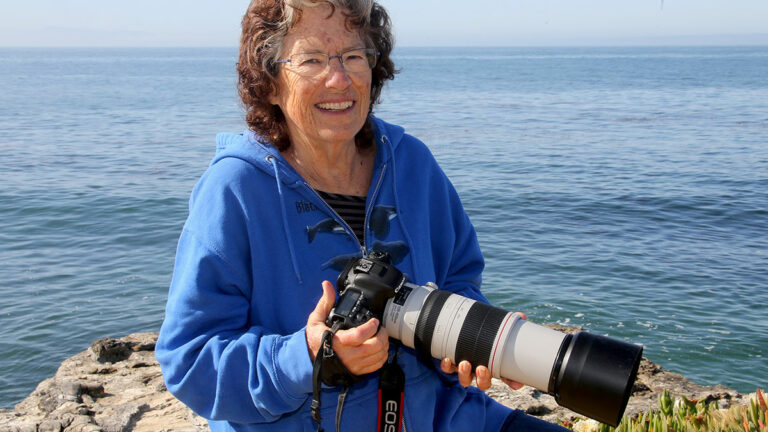
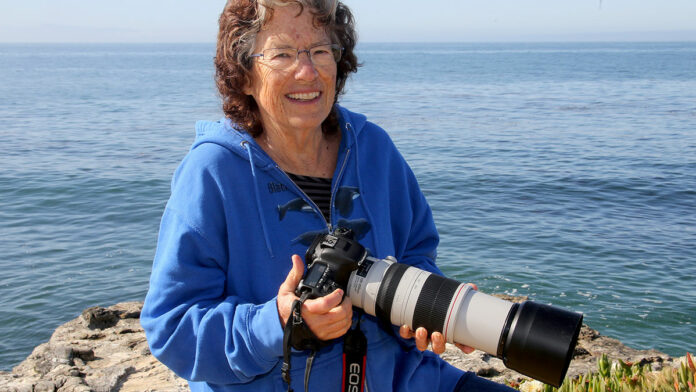
Jodi Frediani, an award-winning Bonny Doon-based photographer, has built a globetrotting career focused on using photography to help people understand animals and the threats they face. 

In addition to photos that have run in publications around the world, Frediani contributes to humpback whale research in Monterey Bay and the Dominican Republic, where sheโ€™s been swimming with humpbacks for 19 years. 

โ€œI have personally seen too many entangled whales and know too much about the horror that we inflict on them,โ€ she says. Itโ€™s strengthened her resolve that everyone needs to do what they can to create change.

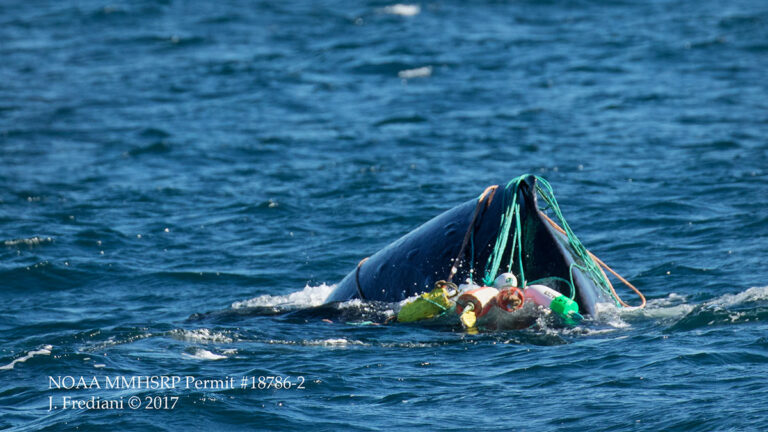
On a trip to the Dominican Republic in 2012, she saw a whale with a gill net entangled in its mouth and tying its pectoral fins to its sides. But there is no fishing with gill nets in the Dominican Republic, and the floats on the net were marked with โ€œMade in Canada.โ€ That meant the whale had likely been entangled since leaving Canadian waters to make the long migration south, Frediani says. 

Moments like that highlight the interconnectedness of the world. Her photos are โ€œan attempt to help educate the public that these are areas where we can actually make a difference by how we behave,โ€ Frediani says. โ€œWe can help protect the planet. We can help protect the other beings we share it with.โ€ 

Many of those beings have for too long been completely misunderstood and misvalued, โ€œboth as individuals and as intelligent sentient beings,โ€ Frediani adds. 

Her swims with humpback whales in particular have allowed her to experience the personalities of individual animals. Different pairs of mother and calf humpbacks can sometimes be recognized by different patterns of interactions with each other and with boats.

Many of her images put the viewer up close with animals in their natural habitats or even looking eye-to-eye with them, from humpbacks gliding beneath the ocean surface to sea otters playing with their food. Capturing the beauty of species is all part of conservation, she says. 

โ€œIf people are inundated with too much tragedy, they just turn away. They do not look,โ€ Frediani says. โ€œSo they need hope and they need inspiration. I feel that the majority of my images focus on that and help provide a window into the lives of these animals and their intelligenceโ€”and how, in many ways, they are like us.โ€ 

But that doesnโ€™t mean she shies away from showing the tragic side. Sheโ€™s captured images of several whales struck by ships who didnโ€™t survive, their bodies washing up on local shores and offering a grim reminder of the human-made threats animals are forced to navigate. Frediani photographed one gray whale calf swimming slowly across Monterey Bay that had been seriously sliced by a shipโ€™s propeller. She heard from a friend the next day that a gray whale calf carcass had washed ashore at Manresa State Beach. Frediani was able to confirm it was the same calf using photo evidence of a uniquely shaped white patch on its back.


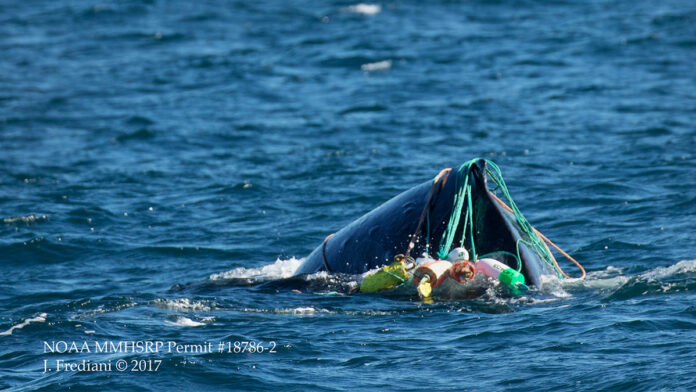
This humpback whale in Monterey Bay was entangled in a crab trap. PHOTO: COURTESY JODI FREDIANI, NOAA MMHSRP PERMIT #18786-2

EXPOSING HARD TRUTHS

Whether images show destructive forces or beauty, it is key that they connect the dots for viewers to the power structures that contribute to the destruction happening in the world, says T. J. Demos, director of the UCSC Center for Creative Ecologies. Demos is the guest curator of the Beyond the Worldโ€™s End exhibit at the Santa Cruz Museum of Art and History, which includes art and images aimed at sparking ways of thinking creatively about how to confront climate change and social injustices.

The most โ€œcompelling and powerful artistic presentationsโ€ prompt people to think about how larger economic and political structures create the conditions that are unfolding, Demos says. 

That sort of educational philosophy is one that guides many conservation photographers. The image makers often carefully curate the information they provide viewers to offer context and opportunities for action.

Santa Cruz-based partners Frans Lanting and Chris Eckstrom have found that people often want to know what they can do to help with a cause theyโ€™ve just seen and read about. The duoโ€™s award-winning images, stories and films have appeared in National Geographic and numerous other publications. 

โ€œWe try as much as we can to point people in directions that they can do something,โ€ Eckstrom says. 

In February, Lanting and Eckstrom shared images on their Instagram accounts of curtain-like swaths of monarch butterflies. Those posts reached more than 1.1 million combined followers with captions detailing the staggering declines in the monarch population. The number of monarchs decreased 53% from 2019 to this year, according to the Center for Biological Diversity, and their numbers have dropped more than 80% since the mid-1990s. Lanting and Eckstrom noted in their captions that pesticides, habitat loss and droughts triggered by climate change are the main culprits of the dwindling monarch population.

Lanting and Eckstrom also included calls to action with their posts, encouraging viewers to plant monarch food sources such as milkweed. The pair practice what they preach, too, germinating seeds of local milkweed species this spring to plant in the meadow of their Santa Cruz home. 

The issue is a personal one for them. Both have seen firsthand the evidence of the declining monarch populations at their overwintering spot on Natural Bridges State Beach. 

While the monarchs have been around โ€œfor as long as people can remember here in Santa Cruz,โ€ Lanting says, that familiarity can lead to taking them for granted. โ€œCertainly here in Santa Cruz, I think weโ€™ve not helped ourselves and the monarchs with that kind of attitude,โ€ he says. 

He remembers times in the 1980s when there were hundreds of thousands of monarchs hanging from the trees at Natural Bridges. Now, youโ€™re lucky to find 1,000 of them.

โ€œThat spectacle is gone, and thatโ€™s happened in one generation,โ€ Lanting says. โ€œItโ€™s a microcosm, really, for what is happening to many natural phenomena around the world that weโ€™ve covered.โ€ 


Monarch butterflies overwinter in California. Their population has declined sharply in recent years. PHOTO: ยฉFRANS LANTING / Lanting.com

SNAPPING INTO ACTION

For groups like Save Our Shores, an ocean conservation nonprofit focused on supporting a thriving Monterey Bay, images play a key role in their efforts to raise awareness of environmental issues and potential solutions.

Katherine Oโ€™Dea, executive director of Save Our Shores, says one of her favorite uses of imagery is the annual amateur photography contest. The submitted images of marine protected areas are put into an exhibit that kicks off with an opening night celebration. The event always gets people talking about why they love the ocean and taking pictures of it, Oโ€™Dea says. The exhibit features informational displays about marine protected areas like the Monterey Bay National Marine Sanctuary and the living creatures in it. 

โ€œItโ€™s fun for the photographers, itโ€™s beautiful for the visitors to the exhibit, and itโ€™s very educational for the people who go,โ€ Oโ€™Dea says. 

The group also uses images to highlight the impact humans have and just how harmful human habits can be. Oโ€™Dea points to anti-plastic pollution campaigns, for example, that have included an image of a sea turtle entangled in a plastic bag restricting the growth of its shell and a sea otter with a plastic bag wrapped around its head. 

Those images can be tough to look at, but thatโ€™s part of why they are powerful educational tools.

โ€œPeople donโ€™t really get it until they see a picture of what plastics are doing to our sea life,โ€ she says.

Itโ€™s a close-to-home issue for Santa Cruz County, with its 29 miles of coastline. Save Our Shores used to clean Davenport Beach once a week from April through September and monthly the rest of the year, an effort that has since been taken over by the Downtown Streets Team work-experience program. The cleanups of that beach could easily yield 350 pounds or more of trash every week, Oโ€™Dea says. 

Before Covid-19, it seemed like people were finally starting to understand how that kind of litter on beaches, especially plastic, enters the food chain and ends up in our bodies, Oโ€™Dea says. 

Plastics break down into smaller pieces, but they donโ€™t go away entirely. Small plastic pieces might be eaten by plankton, which are then eaten by fish and other animals up the food chain that can land on humanโ€™s plates. One study showed people may be ingesting the equivalent of a credit card worth of plastic every week.

The crisis of plastic pollution had seemed to be improving in recent years, with policymakers passing ordinances to require proper collection and waste management of plastics and ban certain plastic products, Oโ€™Dea says. Now, amid the pandemic, the plastics industry is touting the idea that reusables are less clean and safe than disposables, even though experts say thereโ€™s still much to learn about how long the new coronavirus can live on different surfaces. Itโ€™s already leading to rollbacks around the country of the progress made by anti-plastic pollution campaigns, Oโ€™Dea says. 

โ€œA lot of things are hanging on the edge here and potentially in jeopardy,โ€ she says. 

FLASH POINT

At a time of rapid and massive change, images might have more of an important role than ever.

Itโ€™s a critical time to highlight the relationship between humans and nature, says Susan Norton, executive director of the International League of Conservation Photographers. The Virginia-based nonprofit group was founded in 2005 to connect members worldwide and promote a code of conduct for conservation photography and videography. 

The Covid-19 pandemic appears to be just one example of the increasingly extreme effects of human-nature interactions, Norton notes. 

The virus that causes Covid-19 is thought to have originated in bats, like similar respiratory illnesses. Researchers are trying to determine how the virus could have jumped from bats to humans, and one theory is that an animal traded in a wildlife market might have been the intermediate host. 

โ€œWhat we know is that so often the species from whom such epidemicsโ€”and now, in this case, pandemicsโ€”originate are the species that are being eliminated by humans or their habitats are being eliminated or strongly compromised,โ€ Norton says. โ€œThen thereโ€™s a closer physical relationship between humans and these species, because the habitats for these species are shrinking.โ€ 

One lingering question is what weโ€™ll learn from it all. The pandemic has simultaneously highlighted the deadly effects our encroachment on the natural world can have, along with how quickly nature can bounce back when we change our habits. How will we choose to move forward? 

The images of how nature seems to be having a resurgence amid the slowdown of human activity have left Oโ€™Dea with mixed feelings. Itโ€™s great news, on one hand, about how human changes can add up, but there is a big caveat to that, she says. 

โ€œAs soon as people think we can go back to normal, thatโ€™s all going to be reversed in a heartbeat,โ€ Oโ€™Dea says. โ€œThe conversation needs to be not, โ€˜Hey, wow, look how good nature is doing.โ€™ It should be, โ€˜Hey, wow, look at the impact we were having.โ€™โ€

โ€œTo think that it took pretty much shutting down the economy for us to get clean air again, I want people to reflect on, โ€˜Why is this happening? Why are we seeing these improvements now?โ€™โ€ she says. 

Her biggest fear is that the eagerness to return to what seems normal will overshadow thinking through the lessons. 

The current reset in the natural world is happening in โ€œthe worst and hardest way possible right now,โ€ she adds. โ€œBut imagine if we could manage sort of an economic dial back of how much energy we use, how much gasoline we consume, all of these things. If we can do it in a strategic and measured way, thatโ€™s what needs to happen. But Iโ€™m afraid now after weโ€™ve lived through this economic crisis, thereโ€™ll be no appetite for that, and climate change will just get worse. Weโ€™ll double down after this is over, and then weโ€™ll just have another crisis to deal with.โ€ 

Instead, it might be worth adopting the mindset of conservation photographers like Eckstrom, for whom images, storytelling, education, and calls to action have always been intertwined. 

โ€œItโ€™s sort of all wrapped up together,โ€ Ecksktrom says. โ€œYou start off to document something on the ground, you see whatโ€™s really happening to that place or that species, and you become involved in protection and activism.โ€  

โ€œItโ€™s not all doom and crisis, but there is a lot of crisis,โ€ she adds. โ€œSo we do need to help people understand what they can do.โ€

Major Changes Coming for Local Summer Programs

When Santa Cruz County Health Officer Dr. Gail Newel revised her coronavirus-related shelter-in-place order effective May 1, she relaxed restrictions on summer programs such as daycare and day camp, allowing families to begin planning activities for their kids after months of restrictions.

The announcement came with caveats: They may only serve children of essential employees, like disaster and health care workers. Also, the programs must be in stable groups of no more than 12 kids, led by stable groups of instructors. 

โ€œStable,โ€ in this case, means that they must be the same members from start to finish.

In a message to the community, the county Parks, Open Spaces and Cultural Services Department said that it has made โ€œmajor modificationsโ€ to its normal summer programming and that they have effectively been canceled. Santa Cruz County plans instead to offer โ€œenrichment camps.โ€ 

It is still unclear how the programs will look countywide once the summer gets rolling. County officials are deciding what is possible with smaller groups under shelter-in-place restrictions that will likely continue to be in place. Plans could change if state education officials follow through on potential plans to start the school year earlier in the summer.

โ€œItโ€™ll definitely be different than summer camp used to be,โ€ says city of Santa Cruz Parks and Recreation Supervisor Rachel Kaufman, who is overseeing the rollout of this summerโ€™s day camps at Harvey West. While she hopes this summerโ€™s day camps have a familiar feel to them, this yearโ€™s version will have no all-camp lunches or campwide singalongs, for instance, in line with physical distancing requirements.

Andrew Townsend, camps director for Soquel-based Kennolyn Camps, says he and his colleagues are evaluating how to safely proceed this summer.

The city of Watsonville has canceled its aquatics program typically held at Watsonville High School, says Parks and Community Services Department Director Nick Calubaquib. But several more are in the works, including Camp Wow, which offers sports, arts-and-crafts and other activities. The city of Watsonvilleโ€™s Police Activities League is also building its summer program.

Watsonville is additionally offering activities through its Virtual Recreation Center, which provides programs such as online cooking classes, education sessions and workouts.ย 

Santa Cruz County Recreation Coordinator Jessica Beebe says the countyโ€™s parks department is following the mandates of state officials as they create a framework for which businesses and services can open and when they can resume. โ€œWe are working on it feverishly and sorting through the mandates as they are fluctuating,โ€ she says.

Currently, the county is planning to offer nine-week sessions, with programs such as science, technology, engineering, art and mathematics (STEAM), Junior Rangers and nature exploration. It will also offer a pared-down version of the popular Junior Lifeguards program, with sessions held exclusively at a pool. 

โ€œWe want to provide the best of what we offer in any given summer,โ€ Beebe says. 

The county is also looking for volunteers who can help lead the sessions and for facilities such as pools, Beebe says, adding that the more that can be secured of both, the more programs that can be offered.

She says that, if the sessions are staggered, the county can potentially serve as many as 288 young people and possibly more. 

โ€œWeโ€™re trying to prepare for a large number of people, but at this point, we really donโ€™t know what the need will be,โ€ she says. 

Michelle Cheney, Executive Director of Youth N.O.W., says that the organization plans to offer two sessionsโ€“one for young people entering middle school and another for those entering high school.

Those are important, she says, after all schools closed under coronavirus restrictions. 

โ€œThe difference is more emphasis on academic bridgework to facilitate their transition to the next year,โ€ she says. โ€œBecause they are so behindโ€”theyโ€™ve lost out on so much schooling.โ€

In addition to helping to bolster their academic work, the sessions will include nature exploration and other supper-inspired programs, Cheney says. 

โ€œOur kids were looking forward to summer,โ€ she says. โ€œWe just really want to bring something out for them.โ€

Additional reporting by Jacob Pierce.

Watsonville Nonprofit Owner Says She Was Scammed By Tara Reade

Lynn Hummer says the Monterey native is a โ€˜very big fraudโ€™ who โ€˜canโ€™t be trustedโ€™

Initiative Celebrates Farmworkers as Lawmakers Call for More Support

Farmworkerโ€™s Family Dinner aims to honor farmworkers with a free meal

County Weeks Away From Opening Restaurants for Dine-in Service

Testing, contact tracing capacity need to be ramped up first

The Team Working on How to Reopen Santa Cruz County

SAVE Lives Santa Cruz County manages disease risk while restarting economy

Santa Cruz County Faces Estimated $20M Deficit and Enters ‘Cut Mode’

Financial picture over the next two years likely to be worse than the 2008 recession

Storrs Winery and Vineyards’ Memorable 2016 St. Clare Red Wine

Even if you forget what you ate with it, you'll remember this wine

Opinion: May 13, 2020

Plus letters to the editor

Things To Do (Virtually) in Santa Cruz: May 13-19

Learn about sea level rise, marine ecosystem protection and more with virtual events

How Conservation Photographers Use Images to Save Our Living World

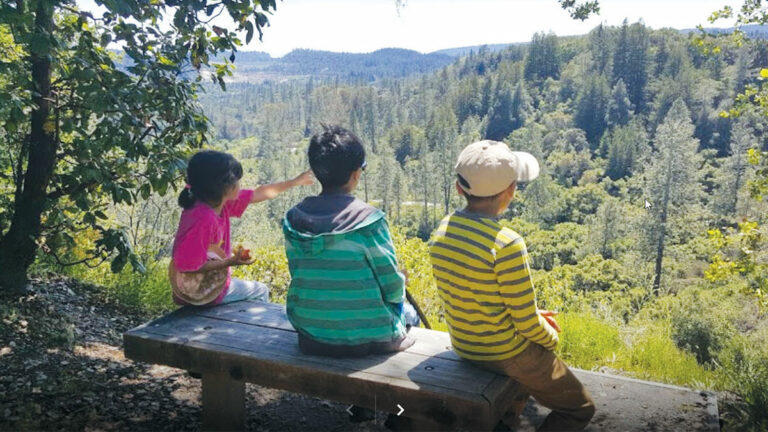
Conservation photographers draw attention to the beauty of the natural worldโ€”and the peril we are putting it in

Major Changes Coming for Local Summer Programs

Activities will be limited to groups of 12 for children of essential workers
19,108FansLike
8,845FollowersFollow