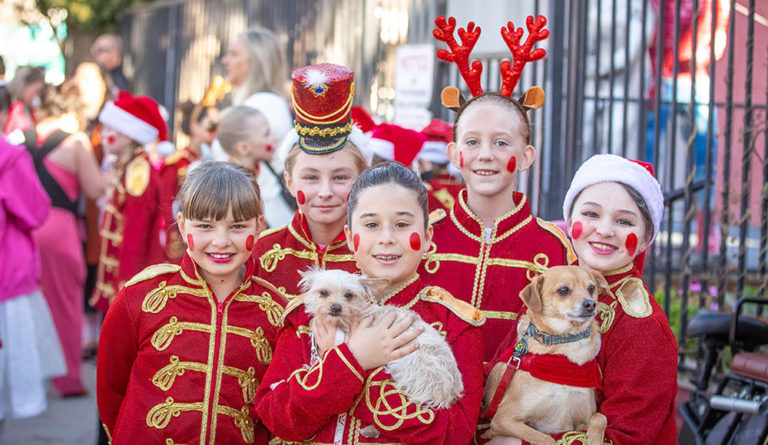
Like the king tides, winter with its myriad rituals and parties comes around each year. Solstice, Chanukah, Christmas—they all bring pleasure, memories and special gifts. It’s the season that gives us countless cozy Hollywood films, endless opportunities to decorate (house, garden, pets, self), and an excuse to indulge in rampant illumination (trees, candles, self).
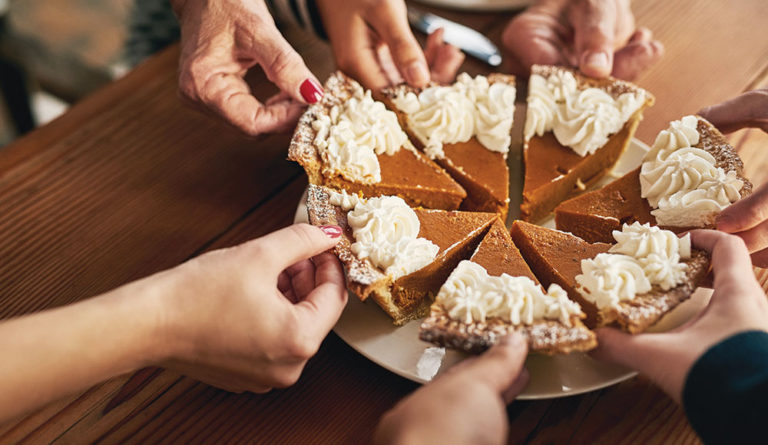
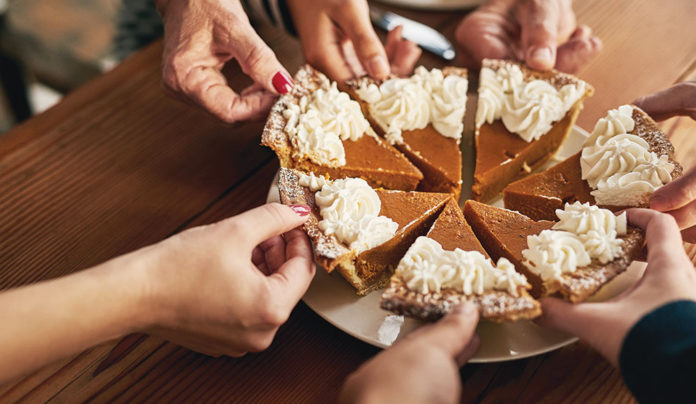
Now’s the time to dust off family traditions and rituals, the ways we make sure this season is always special. The color red pops up a lot right about now, making even the most familiar corners of your living space vibrant—or at least gaudy. And the food: robust seasonings like cinnamon and caraway, large-scale buffets and dinners, and almost always something sweet. Time for those flavors you’ve waited all year to dive into. In my house the holidays call for marathon baking—cookies, bundt cakes, pies topped with whipped cream. The whole house smells fantastic. Every wintery meal glows by candlelight, so don’t forget the candles!
Aside from ceremonies at home, there are other highly anticipated local activities in the month of December. ’Tis the season to join friends at concerts, theatrical productions and other shared performances. And then there are treasure hunts for perfect gifts, which in Santa Cruz means one-of-a-kind handmade gifts from the many holiday markets popping up.
Holidaying is more fun when you have some direction—so here it is: a list of the local cultural events, festivals, silly contests, parades, wine tastings, art markets, visits with Santa, and engaging fun for children and families. For children, and those who never got around to growing up.
Music, Stage and More
A Scrooge for all ages, a choice of mixed Nutcrackers, a wintry pop-sicle from Santa Cruz Symphony, Cabrillo sings Christmas, and a variety of musical acts.
A Christmas Carol—Through Dec. 24 at Veterans Memorial Hall, 846 Front St., Santa Cruz. Once again, Santa Cruz Shakespeare invites us into the heart of the Christmas spirit with a sprightly, song-filled enactment of Charles Dickens’ beloved Christmas Carol, starring Mike Ryan as Scrooge and Julie James as many of Dickens’ colorful characters. Returning players include Charlotte Munson and Andrea Sweeney Blanco, with musical direction by the inventive Luke Shepherd. Gorgeous staging—thanks to Charles Pasternak and Alicia Gibson—and beautiful music sung by the entire cast. santacruzshakespeare.org
Music for the Feast of Christmas—Dec. 5–6, 8pm; Dec. 7, 4pm. Holy Cross Church, 210 High St., Santa Cruz. Tradition sung with heart and many many voices as new music director Carlin Truong leads the Cabrillo Symphonic Chorus and Cabrillo Youth Chorus through this annual event. cabrillochorus.org
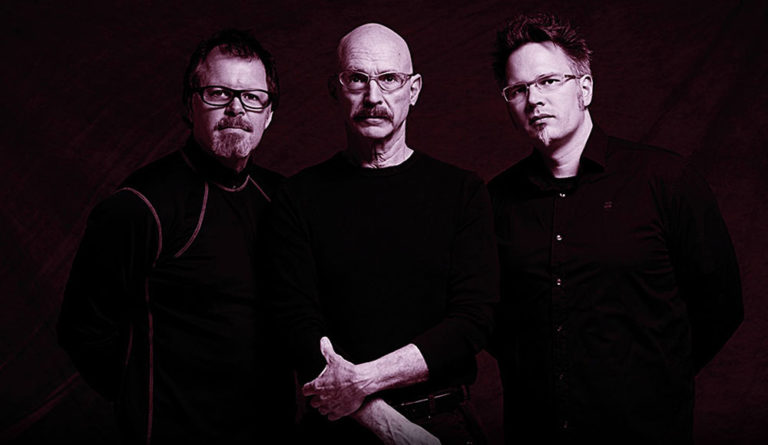
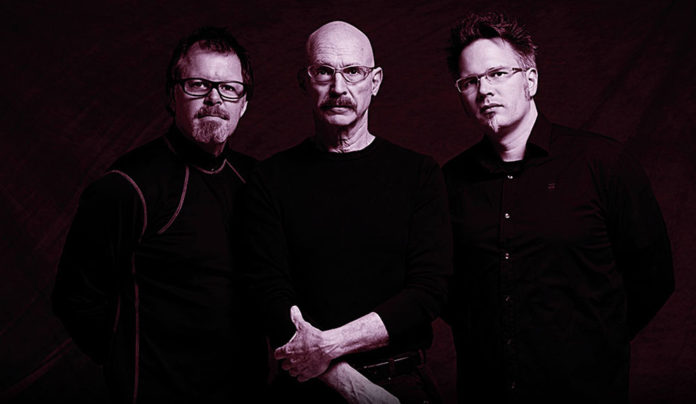
Windham Hill Winter Solstice—Dec. 6, 7pm.Kuumbwa Jazz Center, 320 Cedar St., Santa Cruz.Grammy nominee Barbara Higbie joins Vicki Randle and Mia Pixley for a lilting celebration with plenty of warmth, joy, and sensational piano, fiddle, cello and vocals. kuumbwajazz.org
Mike Renwick’s Holiday Deluxe—Dec. 10, 7:30pm. Felton Music Hall, 6275 Hwy. 9, Felton. Mike Renwick is at it again, joined by Ander Chmut for an evening of schmoozing, dancing, hanging out and grooving to plenty of old-school R&B, rock and soul. Mike is often joined by Tower of Power veterans and Santana sidemen. So expect to have a blast up at the Felton Music Hall (once upon a time Costella’s Chalet). feltonmusichall.com
Concert for a Winter’s Eve—Dec. 12, 8pm, Carmel Mission Basilica; Dec. 13, 8pm, at Holy Cross Church, 210 High St., Santa Cruz. For discerning traditionalists, this seasonal feast of fine choral music comes thanks to the Cantiamo Cabrillo chamber chorus, under the direction of Carlin Truong. cabrillochorus.org
Santa Cruz Symphony Holiday Concert—Dec. 13 7:30pm; Dec. 14, 1pm. Civic Auditorium, 307 Church St., Santa Cruz. Holiday music performed by a top-notch symphony orchestra is the stuff of memories for the whole family. Which is why maestro Danny Stewart and the Santa Cruz Symphony offer a winter pops program. This special holiday concert is infused with treasured classics, such as selections from Tchaikovsky’s Nutcracker Suite, and a sweetly nostalgic Symph-Hanukkah, plus holiday music by Leroy Anderson and plenty of singalong opportunities. A photo station will tempt you to pose for a picture with Santa Claus. santacruzsymphony.org
Merry Mex-mas with El Vez—Dec. 17, 8pm. Moe’s Alley, 1535 Commercial Way, Santa Cruz. Are you ready for some mariachi, glam rock, punk and Mexican ballads? If you like your holiday music on the uninhibited side, make plans to inhale the R&B vibes of El Vez—the Mexican Elvis—and rockabilly trio The Centuries, along with LA’s Duderella. Lots of costuming and shape-shifting. moesalley.com
Tomaséen Foley’s A Celtic Christmas—Dec. 18, 7:30pm. UCSC Music Center Recital Hall, 402 McHenry Rd., Santa Cruz. Spend an evening with the Irish storyteller, who is touring with an ensemble of Celtic musicians, dancers and singers. For more information, call 831-566-2081.eventbrite.com
Flynn Creek Circus—Dec. 18–Jan. 4. Capitola Mall, 1855 41st Ave., Capitola. The circus is in town, presenting The Bridge, an original, child-pleasing tale filled with fairytale characters and highwire stunts. flynncreekcircus.ticketspice.com
A John Prine Christmas—Dec. 19, 7:30pm. Felton Music Hall, 6275 Hwy 9, Felton. The Jenner Fox Band’s sit-down show of stunning, moody, delicious music by beloved composer/singer John Prine makes a splendid holiday outing, or a holiday gift for your significant others. feltonmusichall.com
The Trolley Drops Holiday Show—Dec. 19, 5:30pm. Discretion Brewery, 2703 41st Ave., Suite A, Soquel. Tongue-in-cheek jug band tunes, plus a whole new batch of holiday Twistmas Carols: folk, pop, rock and jazz standards with seasonally themed lyrics. You can even sing along with these charmers. discretionbrewing.com
Christmas with Chorale—Dec. 20, 8pm; Dec. 21, 4pm. Holy Cross Church, 126 High St., Santa Cruz.Widely considered the region’s premier choral ensemble, the Santa Cruz Chorale, under the direction of Christian Grube, performs legendary music from legendary composers. Fifty voices strong, the Chorale offers exquisite versions of Yuletide music from the world over. Arvo Pärt’s Magnificat and Morten Lauridsen’s O Magnum Mysterium will be performed, as well as Renaissance Glorias and carols from Lithuania, Spain, Germany, England, Latvia and the US. Here’s a chance to lean into the heart of the Yule, even sing along with one or two favorites. Matchless music in the glorious acoustics of Holy Cross Church. santacruzchorale.org
Merry TubaChristmas—Dec. 20, 3pm. Henry J. Mello Center for the Performing Arts, 250 E. Beach St, Watsonville. Nothing says Yuletide like the sound of a tuba. You knew that. But when you take several dozen tubas, and add the smaller but still mellow sounds of dozens of baritone euphoniums (look it up), you’ve got the season by the horns. tubachristmasmontereybay.com
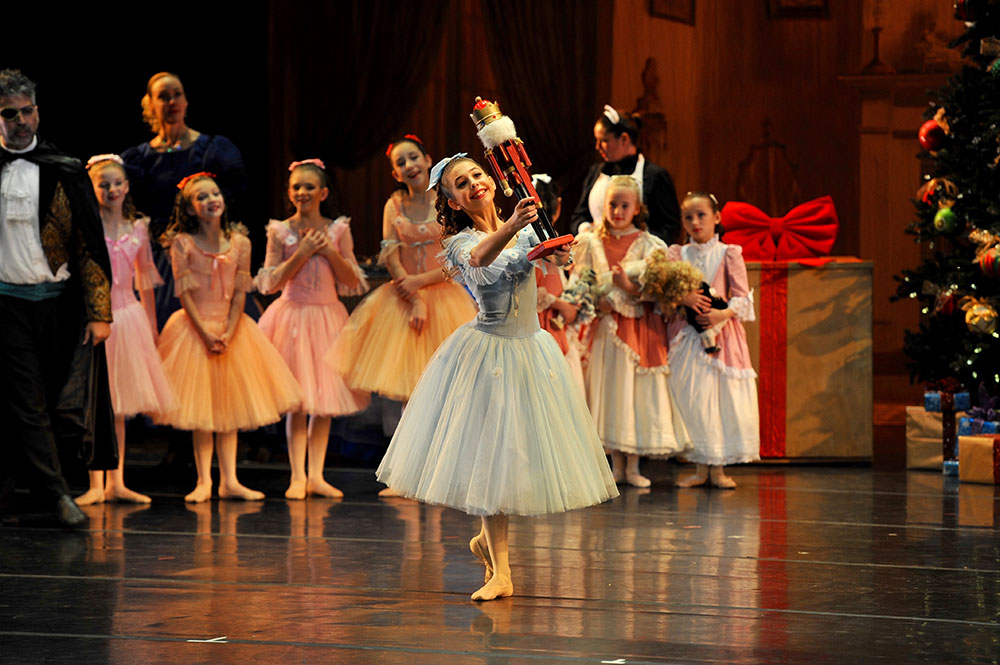
Nutcracker: Experience The Magic—Dec. 20–21, 1 & 4:30pm. Crocker Theater, Cabrillo College, 6500 Soquel Drive, Aptos. The Santa Cruz City Ballet (at the International Academy of Dance) offers this holiday classic featuring very young dancers, as well as emerging stars who’ve graduated into pre-professional roles. Set on Christmas Eve, Tchaikovsky’s Nutcracker Suite is filled with the magic of the Sugar Plum Fairy, the Snow Queen, Clara and her Nutcracker Prince, as well as assorted adorable creatures. Every youngster must see at least one performance in their young life. nutcrackersantacruz.com
Santa Cruz Dance Theater’s Nutcracker—Dec. 20, 9:30am, 1:30pm & 4:30pm; Dec. 21, 1:30 & 4:30pm. Santa Cruz Civic Auditorium, 307 Church St., Santa Cruz. Gorgeous costumes, irresistible music and a beloved winter fairytale danced into life by the Santa Cruz Dance Theater, directed by Conrad Useldinger. The two-hour production features Santa Cruz native Lucien Postlewaite, now principal dancer with Pacific Northwest Ballet, dancing the Nutcracker Prince role. For the youngest ballet fans there’s the one-hour Petite Nutcracker production on Dec. 20 at 9:30am. santacruzdancetheater.org
Shopportunities
Stress-free shopping without a keyboard, courtesy of these homegrown gift crawls. Plus, other festivities, from tree lightings to wine tasting.
Heritage Heritage Holiday Craft & Gift Fair—Dec. 5–6, noon–9pm, Santa Cruz County Fairgrounds. Gifts galore fill the fairgrounds for the 48th year. Just so much to see and admire and crave that you’ll need Transcendental Meditation to stay calm as you roam the aisles bursting with craft tables and booths. Ornaments, toys, handknits, collectibles, jewelry, stuff you’ve never even dreamed of but absolutely MUST have. fairgrounds-foundation.org
First Friday Holiday Events—Dec. 5, beginning at 4pm, in many locations. Local artists offer tours, new exhibits, holiday markets and more. Visit the First Friday website for details, firstfridaysantacruz.com/event
Watsonville Holiday Factory Sale—Dec. 6, 8am–4pm. Start your day at the El Pajaro Community Development Corporation Kitchen Incubator (fresh local food and produce specialties), and then work your way around town to 15 outlets for wine, artisan jewelry, craft beer, botanical gifts, flowers leather goods and, of course, Driscoll’s Berry Store and Annieglass. Map online: watsonvilleholidayfactorysale.com
Holiday Native Arts Market—Dec. 6, 11am–6pm. Woman’s Club, 12 Brennan St., Watsonville. Organized by Native American artist Becky Olvera Schultz, the market features arts and crafts by indigenous artisans.
Frost Fest—Dec. 6, noon–5pm. Museum of Art and History, 705 Front St., Santa Cruz. Handmade creations, must-have gift shopping and schmoozing with local influencers, artisans and artists—all happening on the spacious ground floor of the MAH. santacruzmah.org
Holiday Market and Tree Lighting—Dec. 6, 1–4pm. Aptos Village. Don’t blink or you might miss the major tree lighting. But there’s lots more seasonal fun in the heart of Aptos. Hobnob with Santa, listen to live music, watch colorful performances, check out the wares of local artisans, and enjoy hot chocolate and cookies. aptoschamber.com
Boulder Creek Winter Festival—Dec. 6, 2–6:30pm. Forest Street in downtown Boulder Creek. Holiday shopping with local artisans, community crafting, snow play area and a holiday hayride. bouldercreekwinterfestival.com
ParkStore Holiday Sale—Dec. 6–7, 10am–4pm, at four local parks: Natural Bridges State Beach, Santa Cruz Mission State Historic Park, Seacliff State Beach and Wilder Ranch State Park. Friends of Santa Cruz State Parks Executive Director Bonny Hawley says the holiday sale is “for shoppers looking for gifts that have meaning. It’s a chance to enjoy the season, while supporting the state parks and beaches we love.”
Art in the Cellars—Dec. 6–7, 11am–5pm. Bargetto Soquel Tasting Room, 3535 N. Main St., Soquel. More than 50 local artists and food vendors will congregate in Bargetto’s venerable cellars. Wine tasting with $25 festival glass. bargetto.com
Hallcrest Holiday Market—Dec. 7, 11am and beyond. Hallcrest Vineyards, 325 Felton Empire Rd, Felton. Come visit historic logging town Felton and taste what winemaker John Schumacher has been bottling. Besides gifts for the wine connoisseurs on your list, other vendors will be on hand, as well as live music and a guest appearance by Santa. facebook.com
Winter Art Mart—Dec. 13, 10am–5pm. Tannery Arts Center, 1050–1060 River St., Santa Cruz. A showcase for art studios, the Tannery Arts Center will host an open air market filled with a curated selection of very local, very handmade arts and crafts. One-of-a-kind delights abound. Free; plenty of parking. tanneryartscenter.org
Holiday Marathon Sale—Dec. 14, 11am–5pm. 5221 Coast Rd., Santa Cruz. Go for top-of-the-line, locally handmade gifts items with the crafty Look! collective’s annual sale. Ceramics, knits, prints, wearables, soaps, paintings and lots more, plus music and north coast fun. From Beth Sherman, Christina MacColl, Felicia Gilman, Dave Gardner, Bridget Henry, Janet Fine and plenty others. Watch for the signs! Bring your spending money and be prepared to be amazed.
Holiday Market—Dec. 14, 11am–3pm. Felton Covered Bridge Park, Felton. Tons of happy people mixing with arts and crafts booths, music, holiday lights, food and drink for a whole lot of atmospheric vibes on the old-timey covered bridge (built in 1892) over our very own San Lorenzo River. facebook.com
Paradox Holiday Market—Dec. 14, 11am–4pm. The White Rabbit Social Club brings vendors to the lively downtown hotel for an afternoon of retail therapy. wearethewhiterabbit.com
Community Cheer
Light displays, ugly sweaters, a downtown parade, a Santa-laden pub crawl, and even the running of the reindeer—there’s something festive in every corner of Santa Cruz County.
Sparky’s Holiday Lights—Fri.–Sun. 5:30–9pm, plus bonus nights Dec. 22–24. Now in its fifth year, Sparky’s Holiday Lights draws people from around the county to drive through the lighted fairgrounds. Prices are $25 per vehicle at the gate ($40 for RVs and buses); walk-thrus will take place Dec. 4–6. In addition, Krampus Night will be Dec. 4 at Heritage Hall; tickets are $10 and include a walk-through of Sparky’s Holiday Lights. Funds raised benefit both the Agricultural History Project and the Fairgrounds Foundation. sparkysholidaylights.com
SantaCon 2025—Dec. 5, 6:30pm. Got a Santa handy? Well, bring him/her down to Abbott Square on First Friday and swing to this totally silly pub crawl featuring over a hundred other Santas. Can you say “photo op”? Music, dancing and all the usual/unusual colorful Xmas-themed goodies for sale. Free to attend. You bet. santacon.info
Market and Ugly Sweater Contest—Dec. 5, 5–8pm. Downtown Boulder Creek. Slap on your gaudiest sweater (possibly a gift from an in-law?) and head up to the heart of the redwoods for a full-service arts and crafts market. Free. bcba.net
Lighted Boat Parade—Dec. 6, 5:30pm. Santa Cruz South Harbor. Twinkling lights sailing and parading—exactly the sort of thing that Santa himself would love, especially when he’s all lit up too. A family event for sure, with hot drinks and snacks available throughout the south harbor, and the chance to gawk at more than 50 decorated sail and power boats. Includes a canned food drive to benefit Second Harvest Food Bank. Be there and bring something in a can. A beautiful seasonal tradition. Dress warmly! scyc.org
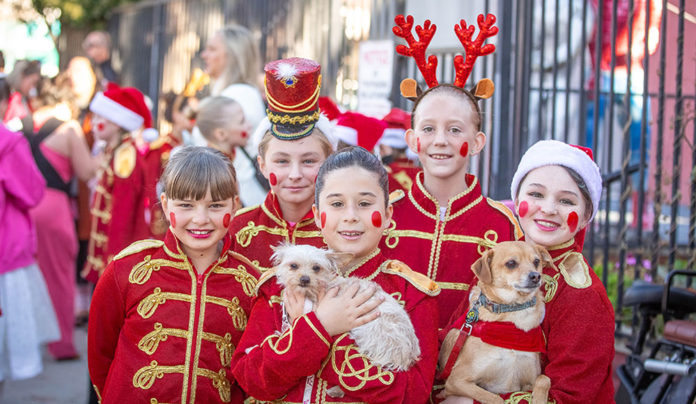
Downtown Santa Cruz Holiday Parade—Dec. 6, 10am–noon. Starts at Laurel Street and Pacific Avenue, then wends toward Water Street. Grab hats, mittens and a sense of holiday humor, and join this short and boisterous downtown holiday parade. The unofficial kickoff to the shop-eat-drink-celebrate season, the processional will draw at least 3,000 other happy diehards who can’t get enough of group gathering, while musical groups from local schools march in colorful costumes, making holiday sounds. downtownsantacruz.com
Golden Envelope Promotion—Dec. 6–7 & 13–14, noon–4pm. Downtown Santa Cruz. Shoppers will be eligible to win one of 350 Golden Envelopes at participating downtown businesses. An undercover “Surprise Elf” will present the envelopes, which include various prizes. In addition, shoppers can enter to win more prizes during the Reindeer Roundup, running through Dec. 23 and sponsored by Pono Hawaiian Grill. Pick up a map at the Downtown Santa Cruz Information Kiosk or Pacific Cookie Company to find participating businesses.
Second Saturday on the Farm—Dec. 13, 11am–3pm. Agricultural History Project Center, Santa Cruz County Fairgrounds, 2601 East Lake Ave., Watsonville. There will be holiday-themed crafts and activities for kids, such as cookie decorating, ornament making, games, and appearances by Santa and the Grinch. Admission is free but donations are gladly accepted.
Holiday Wine Tasting & Jazz—Dec. 13, 1–4pm. Roberts Ranch Vineyards, 875 Roberts Rd., Ben Lomond. Surround yourself with redwoods, red wine and red-nosed celebrants. For $49, enjoy charcuterie appetizers, wine tasting and the delicious sounds of the Steve Abrams Trio. Five current wines to sample along with wine-friendly finger food. Take home a few bottles for special gifts. Tasting only from $12.50. eventbrite.com
Noche de Brillo—Dec. 14, 2–7pm. 350 Main St., Watsonville. Noche de Brillo (Night of Sparkle) is a free, family-friendly evening with a snow play area, lights and holiday cheer. Also includes crafts hosted by local nonprofits, a holiday market, live entertainment, photos with Santa and a light parade at 5:30pm.
Messiah Sing-Along—Dec. 16, 7pm. Peace United Church of Christ, 900 High St., Santa Cruz. Easily one of the greatest feelgood events in town during the winter holiday season. Bring your well-worn score of Handel’s Messiah, and join every other singer in town plus a full orchestra under the baton of (allegedly retired) choral queen Cheryl Anderson. $30. peaceunited.org
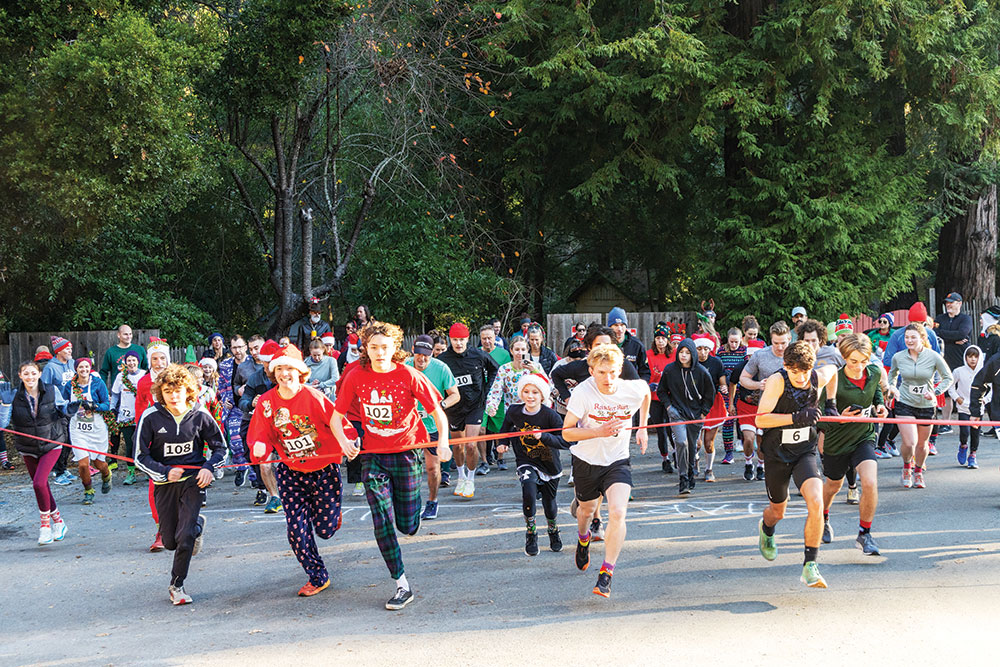
Boulder Creek Reindeer Run—Dec. 24, 9am–noon. Junction Park, 13264 Middleton Ave., Boulder Creek. These full-body holiday aerobics will get endorphins blazing on Christmas Eve Day. Join other exercise obsessives, running, strolling, walking, jogging and otherwise moving in downtown Boulder Creek. Then everybody meets up at Junction Park, and the 5k race is on. Registration fees are $40–$45 (benefiting Boulder Creek Recreation and Park District Foundation). Serious and/or silly fun that will make new friends or reunite old ones. bouldercreekreindeerrun.com
Young and Younger
Sugar, spice and everything nice for pint-size revelers, plus multiple visits from Saint Nick.
Capitola Village Cookie Walk—Dec. 6, 11am. Stroll the village and fill up a basket with sweet treats from participating merchants. eventbrite.com
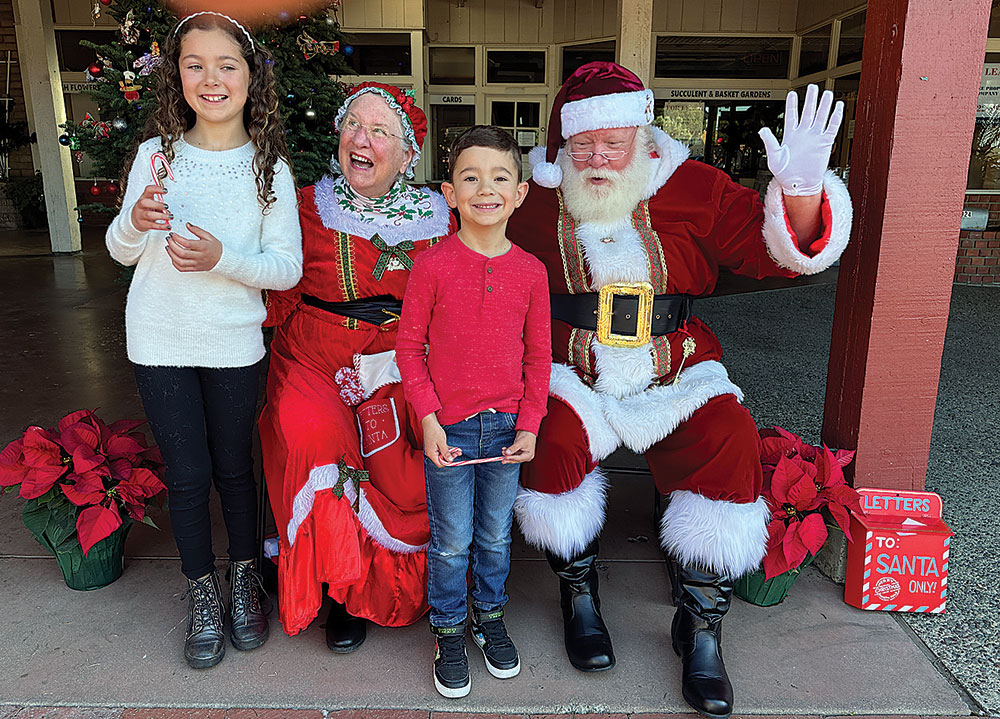
Breakfast with Santa—Dec. 6 & 13, 9am–11am. Got kids? Bring ’em on up to Chaminade’s Breakfast with Santa. A holiday buffet breakfast, a hilltop view, and having your picture taken with Santa—that’s the festive plan up at beautiful Chaminade. chaminade.com
Holiday Craft & Cocoa Event—Dec. 12, 6–8pm. For the third consecutive year, this Scotts Valley event essentially means that kids of all ages can have some fun holiday hang time making gifts, decorating cookies (cookies for sale/$2) and swilling hot cocoa. Materials provided and crafts are yours to take home. $5.
Breakfast With Santa—Dec. 13, 9am–noon. Of course Santa is coming to the Dream Inn. He loves watching the longboarders at Steamers, just like we do. The breakfast buffet is for everybody; the full bar is for the grownups. In addition to the merry old elf, there will be cookie decorating, arts and crafts, and face painting (you cannot have any family event in this town without face painting). And listen to a soothing Christmas story reading by Michelle Smart, from Vine Hill Elementary. dreaminnsantacruz.com
Holidays on the Ranch—Dec. 13, 11am–3pm. ’Tis the perfect season to step back in time, don some ranch dressing, and enjoy the old-fashioned Victorian atmosphere of Wilder Ranch State Park. Join in live caroling, sample traditional treats, explore the historic homes and watch the blacksmith and machine shop demos. Try your hand at wreaths and candles. Free, but parking is $10. thatsmypark.org
Holiday Market—Dec. 13, 9am–2pm. Simpkins Swim Center, 17th Avenue, Santa Cruz. It’s a winter waterland, with a dance performance and synchronized swimming routines by the water-loving County Parks lifeguard team. Admission is free, but tickets are needed for Breakfast with the Grinch, which includes pancakes, sausage, egg, muffins, juice and the chance to enter a raffle. Register for one of the two seatings: 9am or 10:15am. santacruz.org
Brunch with Santa at The Grove—Dec. 14, 9am–noon. Santa loves the Grove, especially the view of the waves. After all, there aren’t any waves up at the North Pole. Bring the family for a full-on holiday brunch menu along with the big guy in the red suit. Adults can purchase their own adult beverages, and there will be cookie decorating at around 11am when Santa will begin telling stories about the elves, Mrs. Claus, and those hyperactive reindeer. beachboardwalk.com
Breakfast with Santa—Dec. 14, 8:30–11:30am. Kennedy Hall, 2401 E. Lake Ave., Watsonville. Now in its 33rd year, the breakfast includes eggs, sausage, fruit, beverages and all-you-can-eat pancakes. Kids can share holiday wishes, snap a photo, play games and make ornaments. recreationadvocates.org
Toy Trains Popup at MAH—Dec. 18–22 & Dec. 26–29. Museum of Art and History, 705 Front St., Santa Cruz. Now in its 20th year, this annual exhibit encourages toy train aficionados of all ages to go gaga over the models put on display when the Golden State Toy Train Operators stop by with their gargantuan collection of toy trains. Nobody doesn’t love toy trains, so this is a very, very popular event. santacruzmah.org
Winter Family Day—Dec. 20, noon–6pm. Museum of Art and History, 705 Front St., Santa Cruz. Free admission to everything on exhibit in our downtown cultural center. Winter art activities in the Garden Room plus hot cocoa, first come first served, from 1–3pm. santacruzmah.org
Winter on the Wharf—Dec. 20, 2–5pm. Santa Cruz Municipal Wharf.Stroll down the wharf and enjoy a holiday load of events at the beautifully decorated Wharf Commons (between Makai Island Kitchen and Marini’s Candies). Mail that letter to Santa in a special North Pole mailbox, enjoy balloons and face painting, and take free photos with Elsa and Anna from Frozen. santacruzca.gov