
November 19-December 31 | Donate @ SantaCruzGives.org
Santa Cruz Gives is funded by the generosity of Good Times, Volunteer Center of Santa Cruz County, Community Foundation Santa Cruz County, Monterey Peninsula Foundation, Applewood Foundation, Joe Collins, Driscoll’s Inc., 1440 Foundation, West Coast Community Bank, Wynn Capital Management, Bay Federal Credit Union, The Pajaronian, and Press Banner.
Thanks to you, generous local donors, the Santa Cruz Gives holiday giving campaign grew 31 percent last year. This year, 72 nonprofits whose work benefits Santa Cruz County request your support. They tackle some of our community’s biggest challenges to improve our quality of life. They work to prevent homelessness, mentor at-risk children, clean beaches, teach job skills, provide informative local news, and so much more. Now it’s our turn: Learn and donate at SantaCruzGives.org.
ACTIVITIES 4 ALL
Support Children’s Music, Folklorico and Soccer Academy: All-volunteer Activities 4 All remains determined to offer quality sports, recreational, artistic and cultural activities to the low-income communities we serve at low to no cost. Funds raised will go toward music lessons, instructors, and coaches to greatly benefit K-12 students who join our academy. Our goal is that our students feel proud of their rich cultural heritage and go on to pursue higher education.
AMAH MUTSUN LAND TRUST
A New Decade: For 10 years, the Amah Mutsun Land Trust has been the vehicle by which the Amah Mutsun Tribal Band accesses, protects, and stewards lands integral to their identity and culture. We are the only Tribe in Santa Cruz County that provides Indigenous leadership in conservation through research, education, conservation, restoration, and Indigenous stewardship. We engage approximately 200 tribal members and many more county residents annually. We collaborate on projects at the UCSC Arboretum, the MAH, Cotoni-Coast Dairies National Monument, Wilder Ranch State Park, and more. To better tell our story we’d like to create a short documentary about our Native Stewards cohort and tribal members.
ARTS COUNCIL SANTA CRUZ COUNTY
Arts Education: We are the leading provider of arts education, offering school performances, residencies, training, and after-school programs. Our grants support 300+ Open Studios artists, 11,000 youth, and dozens of arts organizations and artists. Investing in the arts is essential for youth. We prepare the next generation of creative thinkers and problem solvers with your support through our programs—SPECTRA and Mariposa Arts—where 11,000 young people will learn to dream big, speak up, and turn mistakes into opportunities. Your contribution ensures that youth develop vital life skills and experience the joy and connection that art brings to their lives.
ASSOCIATION OF FAITH COMMUNITIES
Sustainably Shelter Santa Cruz: AFC’s sheltering programs offer an effective and sustainable solution to address homelessness. By leveraging the space and resources of local faith communities, we offer shelter and safe parking at a fraction of the cost of most shelters, under $25/person per night. With 40 faith communities sharing the load, our staff can focus on case management. Last fiscal year, 48% of participants found permanent housing. We distribute more than 11,000 new socks and provide over 1,500 showers annually. We bridge the gap between volunteers and participants so that all find belonging and meaning.
BIG BROTHERS BIG SISTERS
OF SANTA CRUZ COUNTY
It Takes Little to Be Big: Mentorship transforms lives. In Santa Cruz County, many children face challenges such as social isolation, housing instability, or anxiety without a stable support system. Through one-to-one, long-term relationships youth gain confidence, resilience, and a sense of belonging that helps them navigate life’s hurdles. Every gift you give directly fuels mentorship, ensuring more local children are matched with safe adults who show up for them consistently. Dozens of youth are waiting for a mentor. Your support helps recruit, enroll and train caring adults to be a steady presence in a young person’s life.
BIRCHBARK FOUNDATION

Saving Pets, Supporting Families: Our core initiative is to reduce financial barriers that prevent loving families from accessing life-saving care for their pets that have a good prognosis. Local veterinarians reduce costs for our clients, allowing BirchBark to channel the compassion and generosity of our community to provide veterinary care that is urgent, fixable, and unaffordable. Behind every BirchBark case is a family whose bond with their pet is threatened by economic euthanasia.
BIRD SCHOOL PROJECT
Birds in the Schoolyard—Hands-on Science: BSP transforms schoolyards into outdoor classrooms for 4,500+ students annually, most from communities with limited access to outdoor learning, and supports teachers with resources and field outings, multiplying the impact. With your support we’ll expand this proven program to include more under-resourced schools. Imagine students trading desks for binoculars and journals—often for the first time—discovering the birds and ecosystems of Monterey Bay. Research shows that these outdoor experiences foster health, curiosity, and belonging.
BIRDS OF A FEATHER TUTORING
Reaching Rainbow Students: This fundraiser will create a robust scholarship fund to offer free and sliding-scale individualized tutoring support for local LGBTQ+ youth. Inundated by messages from news and social media that challenge their worth and existence, LGBTQ+ youth need our support! At Birds of a Feather, LGBTQ+ youth can be completely themselves and receive the academic support they need, regardless of their financial resources. Over four years, we’ve offered 500 individualized tutoring sessions for local LGBTQ+ youth. Please help us offer 500 more!
BOYS AND GIRLS CLUBS OF SANTA CRUZ COUNTY
Scholarships Support Youth Mentorship & Success: Our Big Idea is to ensure every local child has access to affordable, high-quality out-of-school programs by providing scholarships. These programs promote learning and growth with caring adult mentors, regardless of financial circumstances. As living costs rise, our Clubs offer crucial support for working parents. We will serve approximately 1,800 youth from families that rely on our services this school year at our daily after-school programs five days-a-week at our downtown Santa Cruz, Live Oak, and Scotts Valley Clubhouses for ages 6-18. We host summer and holiday day camps and offer a range of special interest programs, and provide more than $375,000 in financial assistance annually.
CAMP OPPORTUNITY
Send At-Risk Kids to Camp: We are all-volunteer and hope to raise money to send 25 kids to camp—all have been involved in the child welfare system, and many are at risk of abuse and neglect. Campers develop skills to make safe life choices and cultivate positive relationships that can be transferred to their community, school and home. No family has been or ever will be charged for their child’s participation. Therefore, fundraising is critical to continue this work. The estimated cost for one child to attend camp for a week is $1,800. This includes campground rental, room and board, and activities and supplies such as swimming, archery, tie-dye, and more.
CASA OF SANTA CRUZ COUNTY
Advocating for Youth in Truancy Court: With 19% of county students chronically absent, in 2025 Santa Cruz County created Truancy Court to address the needs of families facing significant barriers to regular attendance. CASA, as a trusted organization, will take on a new role: Advocate for children’s best interests in the Truancy Court system to reduce barriers to school attendance, in partnership with the County Office of Education and the Santa Cruz County Court. Court appointed special advocates (CASAs) are trained volunteers who support each child in the dependency and juvenile court system and connect them with the people, families, and resources they need to heal and flourish into adulthood.
CENTER FOR FARMWORKER FAMILIES
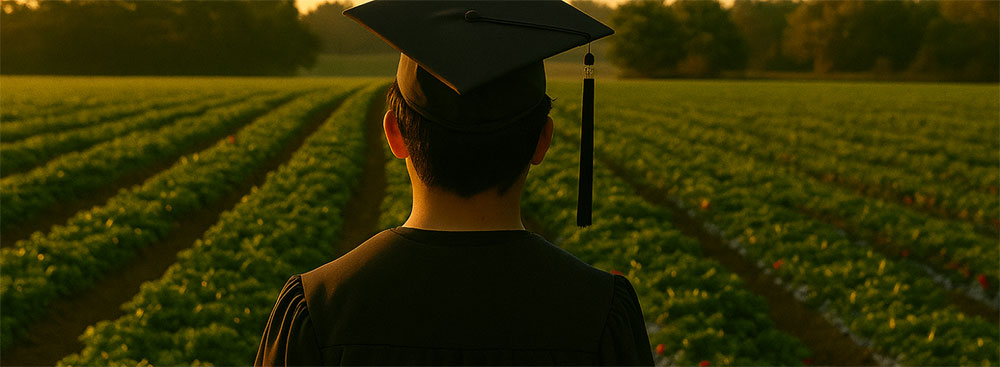
Scholarships for Farmworker Youth: For many students from farmworker families, higher education feels out of reach due to financial barriers. Our Growing Futures provides scholarships to graduating high school seniors, helping them access college or vocational training. Your support helps to empower students—many of whom are the first in their families to attend college—to pursue careers that lead to stability and strengthen our community. CFF promotes the educational, financial and nutritional health of farmworker families, participates in research and advocates for changes to the federal and state legal structure that governs farmworkers.
COASTAL KIDS HOME CARE
Supporting Families Caring for Medically Fragile Children: We are the only in-home pediatric palliative and home health provider in Santa Cruz County caring for children with serious illnesses and complex medical conditions. For many local parents, juggling hospital visits, specialists in distant cities, and their child’s daily care is overwhelming, and the entire family is impacted. Our skilled pediatric nurses provide vital medical care at home, monitoring health, managing treatments, easing symptoms, and offering palliative care in the most comforting environment possible. Our social workers, child life specialists, and therapists also offer emotional support.
CAB | SANTA CRUZ COUNTY IMMIGRATION PROJECT (SCCIP)
Defending Our Immigrant Neighbors: Our immigrant neighbors are under attack. Fear and uncertainty prevail. CAB has responded—educating immigrant families about their rights, advocating for systems change, and mobilizing a robust defense if the worst happens and local people are detained. Your donation of $50 funds a legal consultation. $150 covers transportation to appear in immigration court. $250 staffs a virtual workshop where people learn to prepare for a potential encounter with immigration agents.
COMMUNITY BRIDGES
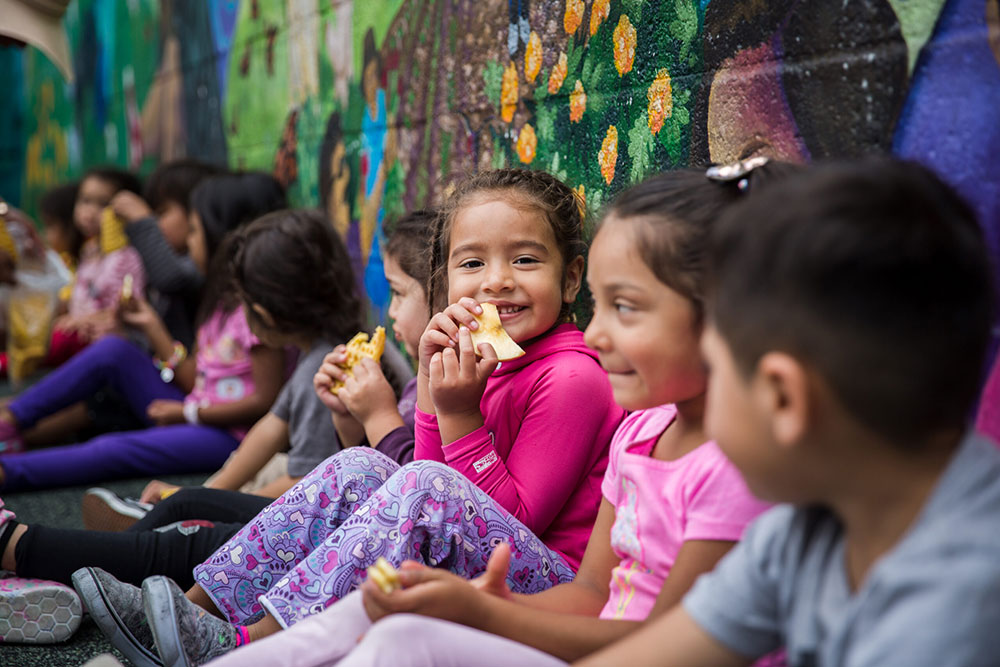
Immigration & Medi-Cal Support Fund: Many local families risk losing health coverage simply because navigating complex systems alone is overwhelming. Our Family Resource Collective helps families navigate immigration concerns and access vital Medi-Cal coverage. Without support, parents risk losing healthcare for their children, missing deadlines, or facing preventable crises. Your gift funds one-on-one navigation, trusted legal referrals, and bilingual outreach. Your support will help reduce poverty and prevent homelessness by filling immediate gaps while building long-term stability.
COASTAL WATERSHED COUNCIL
Connecting Santa Cruz to the San Lorenzo River: As new businesses open onto the Riverwalk and our community re-embraces this vital, overlooked resource—our primary source of drinking water, a diverse wildlife habitat, and an oasis of nature downtown—CWC is reimagining Santa Cruz’s relationship with the San Lorenzo River. For 30 years CWC has led community stewardship of local rivers through grassroots support. Hundreds of volunteers improve river biodiversity and habitat, thousands of youth discover their watershed, and artists and storytellers spark connections to nature. Your gift helps transform the river at the heart of our city.
DAMIANS LADDER
Senior Home Repair: When seniors and people with disabilities are unable to afford small repairs and updates to their homes, Damians Ladder provides these at low or no-cost to enable our clients to stay in their homes. Grab bars, stair rails, floor lighting, smoke alarms, carbon monoxide alarms, ADA toilets, and other small repairs reduce the risk of falls and improve safety and comfort. Our fully qualified and background-checked Service Volunteers provide the labor. Your funding allows us to purchase materials.
DIENTES COMMUNITY DENTAL CARE
Affordable Care for All: We work tirelessly to ensure financial barriers don’t stand between our neighbors and the dental care they need. We’re building a future where health isn’t determined by wealth. This program helps make going to the dentist accessible for families without insurance by offering subsidized sliding scale fees and free care to those who need it most. Our five clinics countywide transform lives for families with the greatest need: 97% have incomes at or below the federal poverty level. Your support focuses on uninsured patients of all ages, from 0-100+.
EAT FOR THE EARTH
Eat Well: Diet-caused chronic health conditions lead to disability and early death for too many in our community and too many of our loved ones. Dietary choices also contribute to environmental challenges we face. Eat for the Earth empowers people to adopt healthy, sustainable, plant-based diets. Local youth are experiencing increasing chronic diet-related conditions such as obesity, diabetes, and high cholesterol. Our project is to present in schools across the county to aid youth to feel good, reduce their risk of chronic disease, and contribute positively to environmental sustainability.
ECOLOGY ACTION
Ecology Action’s Community Programs: Our community programs make sustainable living accessible for everyone through a range of climate friendly initiatives. We teach kids to walk and bike safely, create community workshops, trainings, and events for sustainable action, help families access incentives for electric cars and bikes, and foster infrastructure for climate-smart, resilient communities. We serve 40,000+ Santa Cruz County residents annually with tangible solutions essential for protecting the planet. We partner with every city and multiple county departments to create streets safe for pedestrians and bikes, and help local jurisdictions compete for state and federal grants.
EL PÁJARO CDC
Women Taking Flight Loan Fund/Mujeres Emprendiendo Vuelo: We transform lives through entrepreneurship. Our Loan Fund opens access to capital for Latinx women entrepreneurs often excluded from traditional lending. Only 3-5% of small business loans go to Latinx women/women of color, and Latino-owned businesses are 60% less likely to be approved by banks. Since 2021, we’ve invested $474,500 in 18 Santa Cruz County women-led businesses, driving growth in childcare, agriculture, retail, and food. Through capital, coaching, and business support we fuel equity and an inclusive local economy.
EVERYONE’S MUSIC SCHOOL
Music for Everyone: We provide inclusive and affordable music education. We offer scholarships, group classes, and community programs so that music is truly for everyone. Traditional teaching methods don’t work for all and may also be a barrier to music, therefore we offer flexible teaching styles that welcome diverse learners. In 2026, we will expand scholarships, group classes, and outreach so that more children, teens, and adults across Santa Cruz County can access music education. Teaching 4,400 lessons annually to 65–89 students weekly, we nurture creativity, resilience, and belonging—strengthening our community through the joy of music.
FARM DISCOVERY AT LIVE EARTH
Nutrition Security Program: Our Big Idea is to address the increase in local food insecurity created by decreased federal funding. We will increase produce donations to food pantries to up to 60,000 pounds. Most is gleaned excess produce regeneratively grown by Live Earth Farm, and is considered “seconds”—not pretty enough for market standards but is as nutritious and fresh. We also plan to add a SNAP-eligible CSA. We offer field trips, workshops, and camps for youth, who are immersed in our 150 scenic acres while developing a connection to sustainable agriculture, nutrition, and environmental stewardship.
FREE BOOKS FOR KIDS
Free Books for Kids in Santa Cruz County: Our all-volunteer program gives free gently-used books to children with limited access to reading material, caregivers, and educators. Experts select high-quality novels, early readers, baby books, and nonfiction. Many books would otherwise be discarded or pulped. The demand for our books has increased 275% in the past five years. We work with all local school districts, and other partners. High-demand books can cost $3 each. With funding, we could distribute many more books.
FREE GUITARS FOR KIDS
Free Guitars 4 Kids Santa Cruz: Our big idea is to strengthen our local foundation so we can continue partnering with seven-plus nonprofits and schools—putting guitars into the hands of kids who need them most. Each partnership connects every guitar with mentorship, lessons, and supportive programming, amplifying the instrument’s impact and reach. Music has the power to change lives. Kids develop discipline, focus, and collaboration—skills that last a lifetime—and a guitar can open new possibilities for a child: creativity, confidence, and connection. The joy of music ripples outward, inspiring families, bridging generations, and building stronger communities.
FRIENDS OF THE SANTA CRUZ PUBLIC LIBRARIES
The New Downtown Branch Library Is for Everyone: Support construction of the Downtown Branch Library in the heart of our county seat to give everyone access to a vibrant civic space. As the hub of the 10-branch library system, the library is designed to grow with the needs of all children, teens, and adults with activity rooms, a toddler area, teen center, expanded children’s library with programming space, special collections (local history and genealogy), working and meeting spaces, an atrium, and roof deck. Your gifts will be matched 100% by a generous grant from the Monterey Peninsula Foundation.
GARDENIA
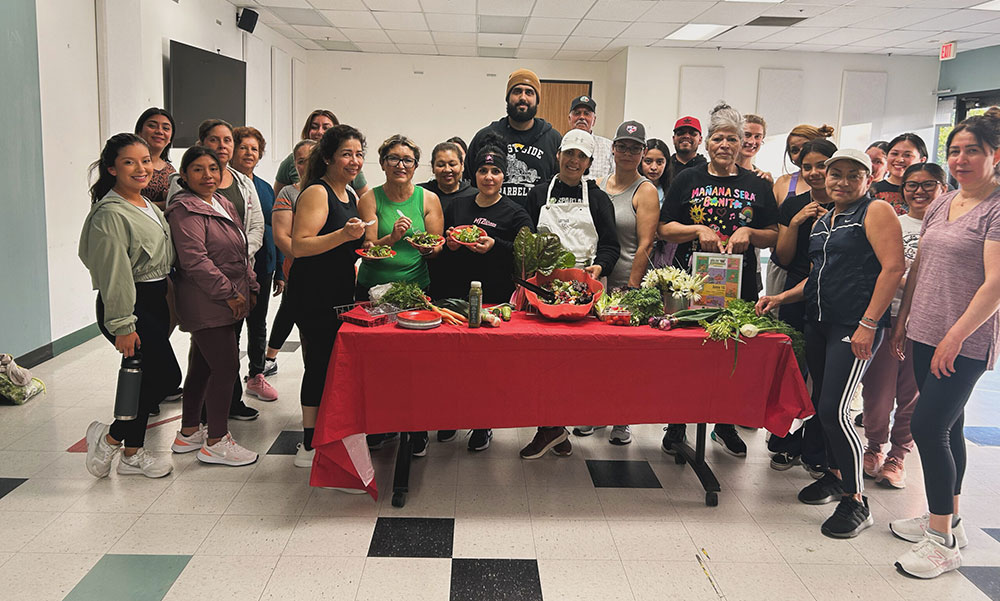
Wellness for You: We provide women with skills and resources to become their most empowered self. Gardenia, Amor & Bienestar Para La Mujer will integrate mental health, physical activity, nutritional information, connection with nature, bike rides, farm visits, and wellness events for all women of all ages in the Watsonville community. We offer 25 classes per month, 2 bike rides, 1 outdoor class, 2 farm visits per year, 2 wellness retreats per year, 1 camp per year and 2 community events. We work closely with local nonprofit organizations and businesses to efficiently use our funds to maximize services.
GREY BEARS
Grey Bears Grocery Rescue: This program partners with 25+ local farms, stores, and delis to recover imperfect or short-dated food six days a week. This food is shared with seniors through our no-cost market and weekday lunches. By diverting food from landfills to seniors’ plates, Grey Bears provides sustainable, dependable access to fresh food for seniors, as well as social connection. In the past year, Grey Bears diverted 1.7 million pounds of food from the landfill to create 63,000 meals and serve 34,000 market visits.
HABITAT FOR HUMANITY MONTEREY BAY
Evan Circle Community Build: We are building 13 permanently affordable homes in Watsonville for first-time buyers earning 50–80% of AMI. Families contribute 500 hours of sweat equity alongside our professional construction crew and volunteers. Once homes are complete, families obtain an affordable mortgage, paying no more than 30% of income on housing. Sustainable, energy-efficient design lowers costs, while city-donated land and partnerships make it possible. We empower families with homeowner education to maintain all facets of their lives. Please support us in building roots, resilience, and a brighter future for Watsonville.
HOMELESS GARDEN PROJECT
Planting New Roots: Through our Community Supported Agriculture (CSA) program—the longest-running CSA in Santa Cruz—individuals experiencing homelessness gain paid, transitional job training while working alongside staff and volunteers to grow fresh, organic produce for the community. More than half of our CSA shares are free of charge to food-insecure neighbors. Your support will help us transform this new land into thriving farmland that sustains our neighbors and program for years to come.
HOSPICE OF SANTA CRUZ COUNTY
Know Us Before You Need Us: Navigating serious illness can feel overwhelming. Hospice of Santa Cruz County provides hospice and palliative care, education, music therapy, and grief support in English and Spanish—funded 100% by philanthropy. As your local, nonprofit hospice, a pioneer in the hospice movement, we are committed to ensuring that every member of our community has the opportunity to live and die with dignity, surrounded by understanding, care, and hope. Please support us as we provide experienced, high-quality care for all who need us.
HOUSING SANTA CRUZ COUNTY
Paths to Safe, Sustainable Housing: We envision a Santa Cruz County where all residents—including low-income families, seniors, veterans, farmworkers, workforce members and students—have access to safe, sustainable housing. This project will support the creation of housing for all income levels (very low, low, moderate and market rate), help with short-term and long-term housing for unhoused residents, affect housing policy, and provide housing education and advocacy. Solving our county’s housing crisis requires that we join hands and hearts to advocate for a more vibrant, just and diverse community.
JACOB’S HEART
Forever Loved: We improve the quality of life for children with cancer by supporting their families. The majority of Jacob’s Heart children come from low-income homes with high levels of unmet basic needs. All are impacted by pediatric cancer, 80% live at or below the poverty line, 84% are Latino or multi-racial, and many are disenfranchised by larger systems of care. Currently we serve 124 families in Santa Cruz County. Your support will help us drive families to medical appointments and keep our Full Hearts Grocery Program stocked.
JAPANESE AMERICAN MEMORIAL PILGRIMAGES
Preserving Memory: The Redman-Hirahara House in Watsonville is a rare and irreplaceable witness to Japanese American and agricultural history in the Pajaro Valley. We are creating a documentary to preserve its powerful stories of immigrant farmers, WWII incarceration, and resilience. Built in 1897, the house was recently delisted from the National Register and faces demolition, making it urgent to capture its voices, images, and memories before they are lost. The documentary will be shared with schools, historical societies, and cultural institutions.
K-SQUID 90.7FM
Power to the People through Podcasting: K-Squid will train citizen journalists in the art of broadcasting and podcasting to better inform our community. Award-winning producers will conduct workshops on interviewing, editing, reporting, speaking skills, and more to nurture the next generation of storytellers and radio/podcast hosts to empower communities to tell their own stories. We serve a potential audience of 645,000+, and estimate 2,000+ at any given time at 90.7, 89.7 and 89.5FM. We stream at KSQD.org and archive stories so more people can hear them. Listener donations support 90% of our operating budget.
LIFE LAB
Summer Camp Scholarship Fund: Life Lab’s Summer Camp helps children to grow a love for nourishing food and nature! Joyful experiences in our garden develop a young camper’s sense of belonging in a college setting, build their love of community, and exercise their body and mind. We expect 350+ to attend the 2026 camp at UCSC. Camp educators are often trained college students who are excited to be outdoor educators. Donations will provide camp for at least one-third of enrollment: up to 70 children whose families have limited resources, and some are referred from organizations such as foster care agencies.
LIVE LIKE COCO
Bookmobile Project: We focus entirely on literacy, giving away thousands of new books to kids at local public schools, community giveaways and our little free libraries. In 2024, we launched a bookmobile. We partnered with PVUSD to drive it to every summer school site and events. This year, we gave 4,000 new books to students. We want to expand to do one community event monthly throughout the county. These donations will pay for a driver, operating cost of the bookmobile for four hours/event, and new books—especially favorites such as Dog Man and the Baby-Sitters Club.
LONG TERM RECOVERY GROUP OF SANTA CRUZ COUNTY
Rebuilding Homes, Restoring Hope: After the CZU Fire and 2023 atmospheric rivers, many families still struggle to rebuild their lives. Recovery is challenging, especially for those with insufficient insurance. For families who lost everything, our project mobilizes skilled volunteers led by a licensed general contractor to build and repair homes. We act as a hub for organizations that address the complex needs of disaster survivors. We coordinate when many groups rush to help, we connect people with resources—legal aid, building permits, mental health support, etc.—and we address needs unmet by emergency response efforts or insurance. We build trust and cooperation among government agencies, nonprofits, and the community that can quickly be activated during emergencies.
MENTORS FOR BOYS, MEN AND DADS
Jr. MENtors Leadership Academy: This project engages teen boys—especially those growing up without father figures—in weekly mentorship circles, emotional development workshops, and youth-led service projects. Through a strength-based, trauma-informed approach, boys build confidence, accountability, and leadership rooted in empathy, identity, and community. We aim to partner with our alumni youth to reach more at-risk youth. We will also expand our program to equip fathers—especially those with experience in child welfare, reentry, or family court—to become mentors for other dads facing parenting challenges, navigating custody, and working to reconnect with their children. Boys are more likely than girls to experience academic failure, substance use, binge drinking, violent crime, behavioral disorders, and prescription of stimulant medications.
MONTEREY BAY MASTER GARDENERS
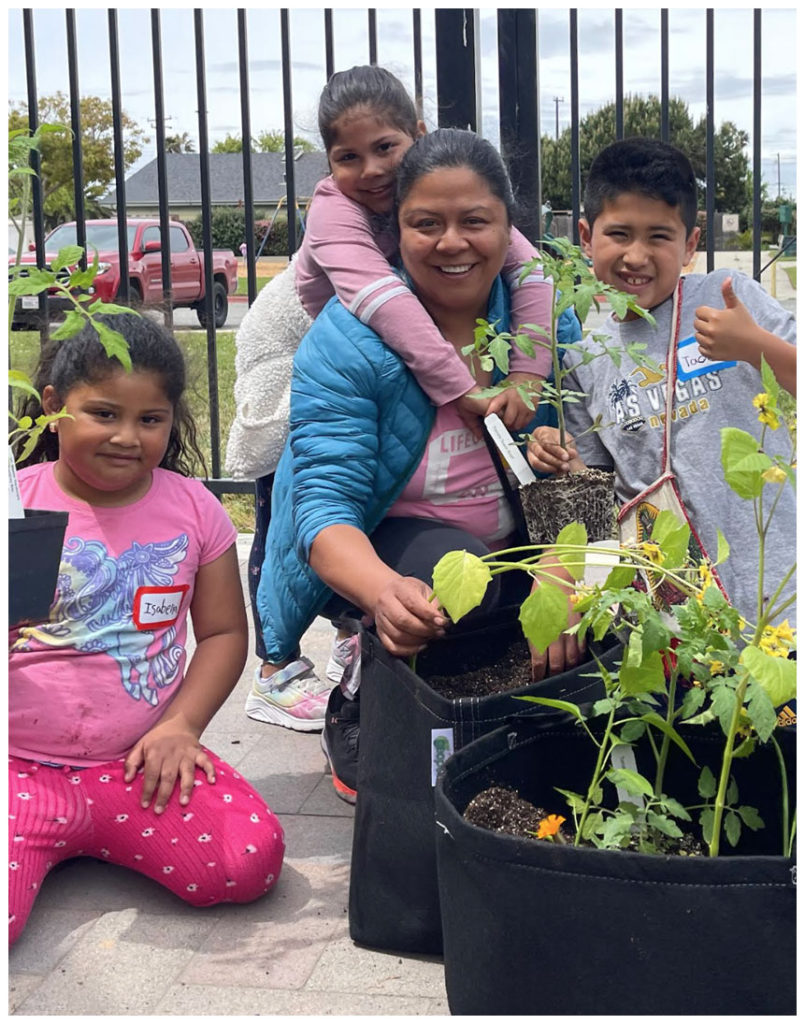
Portable Edible Gardens: Gardens don’t require a yard. We’d like to teach local families to grow food in 10-gallon reusable grow bags, with basic info and planting tips in bilingual classes. Participants leave our workshop with a portable garden, the promise of healthy vegetables for the season (they select 5-10 vegetables/herbs per bag), and empowerment to grow their own food. With your support, we will increase the number of plants we propagate, and refurbish a greenhouse offered at the SCC Fairgrounds. The greenhouse is plumbed, wired and sound. Contributions will allow us to install misters, timers, fans, etc. We are uniquely positioned to address food insecurity among underserved residents.
MONARCH SERVICES/SERVICIOS MONARCA
Safe Fields for Farmworkers: Our project brings culturally specific services to address domestic violence, sexual assault, and human trafficking to farmworker communities in Santa Cruz County and Pajaro Valley. At outreach events at farms and community gatherings we provide education, legal advocacy, financial aid, and trauma-informed support. Our bilingual advocates have built trust through presence in the fields and at local gathering spots. They answer crisis calls, respond in person at hospitals and to law enforcement, and connect survivors to our confidential shelter program, housing assistance, legal aid, and holistic case management. With federal funding ending, Santa Cruz Gives will help sustain this program for farmworker families.
PAJARO VALLEY LOAVES & FISHES
Strengthen the Food Security Safety Net: In Santa Cruz County, thousands of families, farmworkers, seniors, and unsheltered neighbors rely on us for daily food security. We provide low-barrier access to nutritious hot lunches and distribute more than 15,000 grocery bags filled with fresh produce, protein, and culturally appropriate staples. With dignity and compassion, we plan to serve 30,000 hot lunches this year and support 1,200 families through our pantry program (42% are children and 60% work in agriculture).
PAJARO VALLEY PREVENTION AND STUDENT ASSISTANCE
Youth Leadership: Watsonville youth and families continue to face stress from COVID-19, the 2023 floods, and immigration fear. We seek funding for the 2nd annual Juntos Sanando/Healing Together Mental Health Awareness Day to foster healing, reduce stigma, and expand culturally responsive care. In 2025, over 300 community members participated in wellness, art, and food activities. PVPSA meets community members where they are while driving measurable impact. We expand access to essential services and mental health support through our youth group, community health workers, event tabling, and mental health awareness initiatives.
PAJARO VALLEY SHELTER SERVICES
Strengthening Family Stability: We operate a structured, drug-and-alcohol-free program in a warm, secure environment. We’ve seen a 15% increase in one year in participants reporting domestic violence histories, and requests for support from those with mental health issues. These individuals face greater barriers to stable housing. These can be overcome, even for the most vulnerable, with training and compassionate action. Our project is to increase counselor hours and deepen partnerships with NAMI and Monarch Services to deliver staff training, participant counseling and peer-led support groups. Last year, PVSS served 221 individuals. 79% of PVSS families exited to permanent housing, 70% exited with savings for housing; and 72% of adults exited with employment.
PLANNED PARENTHOOD MAR MONTE
In This Together: Your local PP serves half of California’s counties, all of Nevada, and patients from 43 states who travel to us for abortion care. Our health center in Watsonville remains open and strong with most patients low income: 92% live at or below 200% of the Federal Poverty Level. PPMM offers in-person, phone, or video visits for many services to reduce transportation barriers, and services in languages other than English when possible. In July a budget bill was used to defund PP, forcing us to close 5 of our 35 health centers, including one in Santa Cruz. Your donation will help us provide quality non-judgmental health care.
POSITIVE DISCIPLINE
Less Stress More Joy: Parenting is hard! It is humbling and can feel isolating at times. Your gift helps us create greater access to Positive Discipline’s whole-child, whole-family relationship-based approach for 1,000+ families across our county. Our program is evidence-based, trauma-informed, culturally responsive, and developmentally appropriate, providing 120+ programs year-round in three languages. We receive more requests for parenting support than we can fill. Beyond skills for difficult child behaviors, our training breaks cycles of harm and is deeply healing. Your gift supports our “connection before correction” programs via coaching, workshops, classes, playgroups, and parent/youth learning groups.
QUEER YOUTH TASK FORCE
Trans Teen Project: We would like to support trans, nonbinary, and gender-expansive youth in Santa Cruz County this year with a website resource that educates and raises awareness among parents and the community about trans issues. We will facilitate conversations and understandings between trans teens and the wider community. Trans teens will control their own narratives and share stories and experiences that are important to them. Our goals are to promote existing resources available for the trans community, make short documentary films, implement teen-led small projects, promote an activity titled “Unbox Me,” and host radio shows.
REGENERACIÓN—PAJARO VALLEY CLIMATE ACTION
Young Climate Justice Champions: We achieve climate justice by building a shared sense of urgency among community leaders, grassroots groups, nonprofit agencies, researchers, and public agencies to work collectively. Our project is to mentor youth to amplify climate justice leadership of high school students through photo storytelling (presented by 8 students we train), 1 paid student internship, and class presentations for up to 400 students. Young people will live longer with the effects of climate impacts and their leadership is needed now!
RESOURCE CENTER FOR NONVIOLENCE
Together Against Hate in Our Schools: Every child deserves to learn in a place of safety and belonging—yet hate, bullying, and systemic racism still threaten our students’ futures. Let’s build schools where hate has no home. Please help us train teachers throughout Santa Cruz County to recognize and interrupt hate speech and bullying; supply classrooms with proven anti-hate lesson plans and student activities; and support youth leaders in building inclusive school cultures.
SANTA CRUZ ACTORS’ THEATRE
Empower Young Directors: As a volunteer-based, community theater, many who participate in our productions are older, with established incomes, and can do it purely for passion. Young artists are the future of theater, but having to work full-time to get by is a barrier to their participation in our productions. We created an endowment fund for young directors that patrons can donate to. We’d like to offer compensation to bring more young directors into our 8 Tens @ 8 Festival and offer a chance to direct a show in our season.
SANTA CRUZ BLACK
Black Freedom Farm: Santa Cruz Black celebrates the Black community’s history in Santa Cruz, addressing the historical invisibility of Black residents. Our role is in education, community projects and film series that support understanding, inclusivity and action. This project addresses food insecurity and food stability. We plan to establish community farms on donated land and rooftops for vertical gardens and hydroponic systems that will provide food and also be educational with workshops and cooking classes. We aim to create a community garden, enabling local Black residents to cultivate the foods of our families and ancestors.
SANTA CRUZ CHILDREN’S MUSEUM OF DISCOVERY
Affordable, High-Quality WonderWeeks Camp: With the advent of universal TK during the school year, families unfortunately lost summer care for preschoolers and are desperate for options. Because high-quality camps are too costly for many, our Big Idea is WonderWeek camps—giving 4–5 year olds a joyful summer of discovery, creativity, and skill-building with science, art, and play they can’t find anywhere else. Research finds that “guided play” can lead to stronger learning and development outcomes and stronger academic gains than formal curriculum during early childhood—a critical time to learn.
SANTA CRUZ COUNTY ANIMAL SHELTER FOUNDATION
Planned Pethood—Low Cost and No Cost Spay Neuter: Puppies and kittens are adorable but unplanned litters result in higher euthanasia rates in animal shelters and more animals living miserably as strays. One female cat can lead to up to 420,000 kittens in seven years, and one female dog can lead up to 67,000 puppies in six years, on average. Increasing spay/neuter numbers is the most effective tool for reducing shelter intake and euthanasia, and for improving the lives of animals. We spayed and neutered 3,000+ animals last year. Let’s provide spay and neuter for all!
SANTA CRUZ COUNTY COMMUNITY JOURNALISM INITIATIVE
Brio Sol Initiative: We bring Spanish-language news coverage to Pajaro Valley communities to promote institutional accountability and transparency on environmental, agricultural, land use, labor, housing, health care, food security and criminal justice issues. This initiative contributes resources to hire, train and employ three reporters—emerging voices—to ensure a just, informed public through analysis of underlying, unreported or underreported social justice issues. The publications in this initiative have served Santa Cruz communities with reporting, information and government oversight: The Pajaronian since 1868, Press Banner since 1960 and Good Times since 1975.
SANTA CRUZ SPCA AND HUMANE SOCIETY
Support the Journey Home: Every animal who comes to us has a story—some arrive scared, others sick or injured, many waiting to be noticed. Shelters are facing slowed adoptions, overcrowded kennels, and families surrendering beloved pets due to cost. Each pet takes healing, training, comfort, and care—and at the Santa Cruz SPCA, we don’t back down from challenges. With your support, we can grow our adoption program. This year we will find homes for 550+ animals; care for 207+ animals in foster homes; give 85,000 pounds of pet food to locals in need; provide preventative care and support veterinary care for low-income seniors, and more.
SANTA CRUZ SHAKESPEARE
Bring Shakespeare and Students Together: We bring live productions of A Midsummer Night’s Dream and a bilingual Romeo and Juliet into schools, eliminating barriers of cost and access. Last year we reached 8,000 students. With support, we will double that number annually, ensuring every child experiences world-class theatre. This program inspires empathy, literacy, and joy—proving Shakespeare’s words belong to every student. Each show includes post-performance talkbacks and teacher resource packets tied to curriculum. Just $300 raised brings a fully subsidized production to another Santa Cruz school, ensuring no student, teacher, or family is turned away from experiencing the power of live theatre.
SANTA CRUZ WELCOMING NETWORK
Legal Aid & Free Legal Clinics for Asylum Seekers: We support people who seek asylum and refuge. Thanks to SC Gives donors last year, we helped all of the asylum seekers we accompany pay legal fees, and secure housing, food, transportation and medical care. This year, we will subsidize legal aid for asylum cases of new neighbors who we accompany. We will build an emergency response for those apprehended at check-in or taken by ICE. We will support free legal clinics that support other asylum seekers, staffed by attorneys and other volunteers. We helped organize two free legal clinics for asylum seekers in the past year with attorney volunteers. We would like to double this effort and need support for screening and preparing applicants, training volunteers, and other tasks.
SAVE OUR SHORES
Next Generation Ocean Stewards: Our Big Idea is to expand Coastal Classroom for K–12 students from under-resourced schools. This marine science program provides outdoor learning with field trips, classroom lessons, and immersive virtual reality “dives” into Marine Protected Areas. Students gain knowledge, confidence, and stewardship skills while experiencing the coast, often for the first time. We bring 300+ students from schools in underserved communities to local ecosystems—with transport, supplies, and bilingual instruction. Our transformative outdoor experiences bridge equity gaps in environmental education.
SECOND HARVEST FOOD BANK
Standing in the Gap: Federal cuts to SNAP (CalFresh) created a hunger cliff for thousands of local families. Second Harvest is standing in the gap, scaling up the local response. Your support allows us to purchase tons of healthy food and strengthen logistics, ensuring our 100+ partner distribution sites can meet the rising demand. We anticipate the first wave of SNAP cuts will put nearly 40,000 local people deeper into food insecurity. Second Harvest is the frontline response. Our established network allows us to turn every $1 donated into 3 healthy meals.
SENDEROS
¡Artes Culturales! Cultural Arts Pathways for Latino Youth: Our free after-school Mexican dance and music program for Latino youth, most of whom are low-income, offers instruments, outfits, instruction, and performance opportunities while promoting culture, confidence, and academic success. Senderos youth proudly showcase their talent in over 18 community and school festivals annually with 8,000 in attendance, and are encouraged to achieve their dreams for college and career. Our volunteer-driven organization wants Mexican immigrant youth to find cultural pride in the face of racism, and avoid gang involvement and substance use.
SENIOR LEGAL SERVICES
Emergency Response Fund: We provide free legal services to defend the rights of seniors and other vulnerable populations to quality housing, government benefits, and protection from exploitation and discrimination. We serve low-income and vulnerable women and men over the age of 60 in Santa Cruz County, make sure that they have a safe place to live, fight for their social security, and appeal cuts to health and disability benefits. Thousands are at risk of losing homes, benefits, and access to critical healthcare.
SHARED ADVENTURES
Mental Health Support Through Recreation: The Shared Adventures program provides physical activities and is increasingly supporting a network for mental wellness through companionship, community, referrals and peer support. Involving participant families in our activities leads to social relationships among peer families as well as peers, which amplifies the special (and basic) needs of our participants. We also deal with various local agencies and connect participants and families to resources. Our work helps disabled individuals and their families achieve stable, healthy conditions and integrate in jobs and schools, leading to less institutionalization, crime and drug use, and family fragmentation.
TANNERY WORLD DANCE AND CULTURAL CENTER
Empowering Access, Equity, and Excellence: TWDCC provides need-based scholarships to low-income and underrepresented youth in Santa Cruz County, enabling access to quality dance education. Serving up to 20% of our students, this donation-supported initiative fosters discipline, confidence, and personal growth. By making dance accessible, we build a more inclusive community, empower young people, demonstrate dance’s transformative power, and nurture talent. Last season, we supported 41 students and increased our scholarship program to include classes and costumes, Youth Company fees, etc. Join us to include more students.
TEEN KITCHEN PROJECT
Medically Tailored Meal Delivery: Your funds will help TKP provide over 1,200 individuals (87% are low-income) who are impacted by serious illness with 230,000 medically tailored meals in 2026. Approximately 150 teen chefs from all areas of the county learn to prepare, cook and package meals for delivery. We are the only nonprofit in Santa Cruz County to prepare and deliver medically tailored meals.
THE DIVERSITY CENTER OF SANTA CRUZ COUNTY

Building the Future of LGBTQ+ Mental Health Care: Our Mental Health Trainee Program is transforming mental health care for LGBTQ+ people in Santa Cruz County. In 2025, our team provided over 700 free counseling sessions to LGBTQ+ community members seeking support. We partner with regional universities to recruit and train license-eligible Mental Health Trainees, equipping them with the skills to become identity-affirming counselors specializing in LGBTQ+ care. LGBTQ+ people face escalating mental health challenges driven by anti-LGBTQ+ rhetoric, policy rollbacks, and rising social marginalization. The demand for our services continues to grow.
THEATRE 831 (ALL ABOUT THEATRE)
An Inclusive, Vibrant Arts Hub: After a successful inaugural year operating the Colligan Theater—staging 11 musicals, 16 theater camps, several film festivals, dance performances, and more—Theatre 831, which encompasses All About Theatre (23 years), and Miracles Santa Cruz (2 years), seeks a managing director. We broke even last year, with volunteers and your funds through SC Gives. We transitioned the theater, hung a repertory lighting plot, rebranded The Colligan as a venue, and hosted local artists—but we need additional leadership to make the theater sustainable and more accessible to local talent, to produce more professional and youth theater, and to host diverse community rentals.
VETS 4 VETS SANTA CRUZ
Emergency Fund Program: We prevent small setbacks from spiraling into major crises when veterans fall through the cracks—waiting on delayed benefits, are ineligible for existing aid, or face urgent needs too small for larger programs. For veterans in crisis, even $250 can be life-changing. Our Fund provides immediate relief for urgent needs—food, shelter, transportation, or car repairs—helping local veterans avoid homelessness, ease stress, and regain stability. Last year we provided 70+ emergency grants, each one a lifeline. Support from Santa Cruz Gives donors builds a community of hope and belonging for veterans.
VILLAGE SANTA CRUZ COUNTY
Workshops to gather what’s most important: Our project meets a broad need: It is to offer a systematic, proven method to organize and consolidate all essential information in one place—hardcopy and digital. An unpredictable medical crisis, dementia, or death can leave everyone scrambling, adding the stress of searching for documents and passwords. We request support to purchase a license and materials to run a pilot open to the public. Twelve workshops will be taught in person and online. Attendees would have a complete record, revisable as circumstances change, and easy to locate. Topics covered: legal, medical, personal, financial, insurance, real estate, living options, daily living, crisis plan, home health, hospice and end of life.
WALNUT AVENUE FAMILY & WOMEN’S CENTER
Legal Alliance Service Heroes: Walnut Avenue strives to offer trauma-informed legal services to domestic violence survivors, marginalized individuals, people with disabilities, and others who lack access. Currently we offer legal advocacy and provide legal assistance with domestic violence restraining orders and support at court. There is no funding stream to offer a more consistent and grounded structure for legal services. The more steadily participants are able to use our services, the more successful the outcomes and their shift for change and hope. We are determined to create new legal workshops, find more service providers and potentially broaden the scope of service to include protective orders, and more.
WATSONVILLE WETLANDS WATCH
Growing Middle School Environmental Leaders: Our Green Grizzlies Club won the state of California Resource Recovery Association’s Next Generation Recycler Award (2025). With your support, WWW will collaborate with teachers and students to expand from Pajaro Valley High School to PVUSD middle schools, engaging students in on-campus food waste diversion, composting, litter cleanups, school greening, and peer outreach. This will develop environmental leaders, support student and environmental health, and offer skill-building and hands-on learning. We will provide staff, curriculum, presentations, supplies, stipends and incentives. High school interns will mentor and support the middle school students.
WINGS HOMELESS ADVOCACY
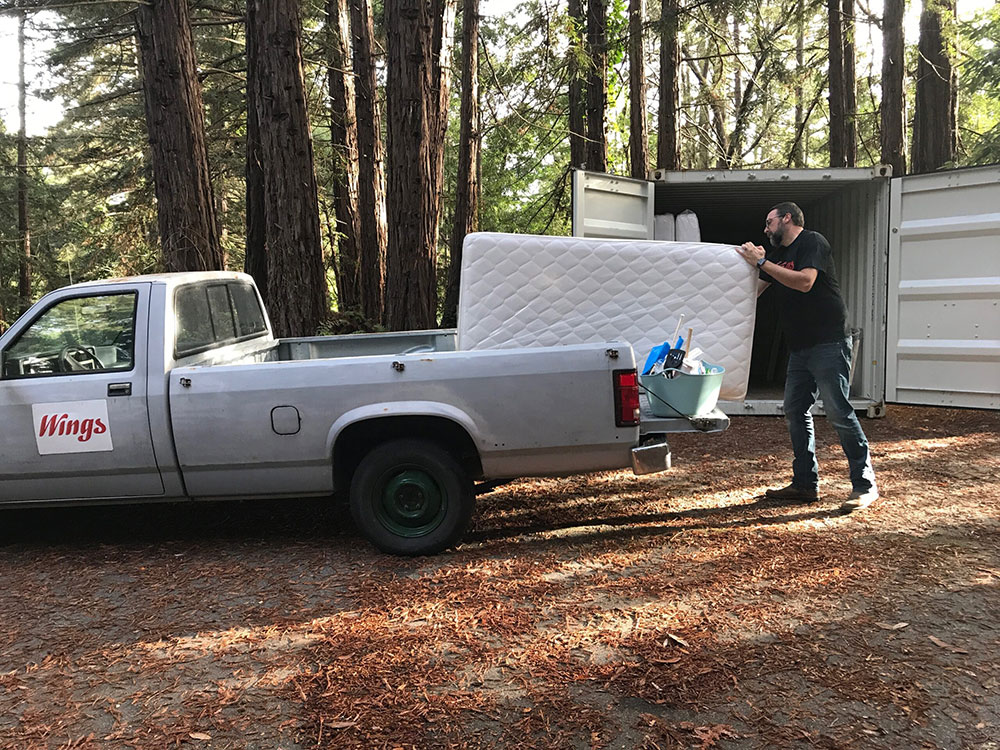
Bring Back Beds: Last year, with $38,000, Wings transformed 167 empty spaces into homes—one bed, one basket, one sheet at a time. With no building, only 3 staff and 40 incredible volunteers, we run on community power. This year our program was paused as funding ran out. Hundreds of people moving into housing now don’t have the dignity of a place to sleep, rest, and heal. A Welcome Home package (bed, bed frame, bedding, essential household supplies) costs about $600. A birth certificate costs about $50—this vital document unlocks housing, jobs, and stability. We’re asking the community to help us ensure that no one must sleep on a floor.
YOUTH RESOURCE BANK (YRB)
Investing In Our Youth: We support vulnerable youth ages 18-22, particularly youth aging out of the foster care system. The challenges they face include housing instability, food insecurity, access to enriching activities/college, job readiness (work boots, clothing, uniforms). Your investment helps bridge critical gaps, opening possibilities for youth who might otherwise be disenfranchised or homeless. Examples of resources YRB provides: participation fees for classes and enrichment activities, transportation assistance, communication tools, sports gear, school supplies, clothing, and household essentials; health, mental health, and dental needs; child safety needs (car seats, bike helmets, locks).