Clinic Opens In Historic Ben Lomond Church Site

By Drew Penner

About 2,000 San Lorenzo Valley community members will now have access to care close to home, thanks to a new health clinic that opened at the site of a Ben Lomond historic church on Jan. 24.

Where the Wee Kirk Church once welcomed parishioners to mend their souls, now nonprofit Santa Cruz Community Health will now provide comprehensive primary care services.

The clinic will be open 30 hours a week, to start, with three doctors on staffโ€”Chief Medical Officer Casey KirkHart and Dr. Rose Lovell and Dr. Leelia Franck.

But already health officials are dreaming bigger.

They hope the space will eventually offer in-person behavioral health care, although those services are offered remotely, for now.

The building was previously the home of Dr. Steven Leibโ€™s family medical practice.

He and his wife Vivian restored the historic church in 2014, and it was added to the National Register of Historic Places in 2017.

Lisa Robinson, president of the board of the San Lorenzo Valley Historical Society, who was at the opening, told the Press Banner the Leibs did a really good job fixing it up.

โ€œTheyโ€™ve always felt that this building belonged to the community,โ€ she said. โ€œIโ€™m really pleased that they have found the right group to take over.โ€

She expects it will continue to be a powerful place of healing.

โ€œIt has just such a special feeling when you come through the door,โ€ she reflected, as people milled through the space for the first time. โ€œYou feel better just being in this space.โ€

Leslie Conner, SCCHโ€™s CEO, said the community clinic will take care of people in an area of the county thatโ€™s been underserved.

โ€œOur goal is to increase access to high-quality, affordable health care for this area, particularly for low-income people,โ€ she said in a release.

During the ribbon-cutting ceremony, Glo Nieto, a SCCH patientโ€”and board memberโ€”who lives in Ben Lomond, said sheโ€™s happy she can receive care just a hop-skip-and-a-jump away from her dahlia garden.

โ€œIโ€™m so excited about this,โ€ she said. โ€œI canโ€™t believe I was afraid of moving up here.โ€

But now that sheโ€™s being treated for Stage 4 cancer, itโ€™s a place that she knows will become familiar.

โ€œThis is where I belong,โ€ she said.

The church bell rang at 9:53am, announcing to all those in earshot that a new day in San Lorenzo Valley health care had begun.

Santa Cruz City Council Moves Forward With Housing Project, Despite Appeal

The Santa Cruz City Council unanimously voted in favor of moving ahead with a mixed-use development that will build 233 studios downtown, despite a challenge from a group that claims the project does not meet certain city requirements. 

Santa Cruz-based developer SWENSON submitted the project, which is nicknamed Calypso.  A six-story building, Calypso will be built on 130 Center St. across from Depot Park. Thirty-five of the units will be rented at the very-low-income level, or 50% of the area median income. The rest will be rented at market rate. 

Calypso was approved by the cityโ€™s Planning Commission in October. Shortly afterward, Santa Cruz Tomorrow filed an appeal against the project. 

The appeal claimed that Calypso violates some of the development and preservation policies that the city lays out in its general plan. The letter, submitted by representative Gillian Greensite, wrote that the proposal conducted an incomplete traffic study, since the survey only looked at traffic and congestion on weekdays. It also questioned the Commissionโ€™s finding that the project would have no โ€˜significant impactsโ€™ on air quality or contribute to noise pollution. Lastly, it questioned the grounds for an exemption from a California Environmental Quality Act (CEQA) review, which looks at the environmental side-effects of government projects. 

At Tuesdayโ€™s city council meeting, Senior Planner Ryan Bane addressed these concerns, maintaining that Calypso does meet all city requirements. The reason the traffic study did not include weekends, Bane said, is because the developer will pay into a Traffic Impact Fees (TIF) program: fees that are associated with the traffic increases of a project. The fees are calculated based on peak PM hours, which for this project are at the highest during weekday evenings. 

Bane also said that Dudek, an environmental and planning firm, found that the project would not generate enough noise to affect ambient noise levels. The firm also found that air pollutant emissions associated with construction would not exceed the Monterey Bay Air Resources District (MBARD) threshold. And, despite the project being built on a 60-year old auto body shop site, Dudek found no hazardous substances on site.

โ€œThe project has been thoughtfully designed to be attractive to both permanent residents and tourists,โ€ Bane said. โ€œAdditionally, it will maximize density while providing 20% of the units at the very-low-income level, which will be a significant addition to the city’s affordable housing stock.โ€  

According to Santa Cruz City Clerk Bonnie Bush, the council received around 130 emails in response to this project. At the meeting, a majority of callers supported the project and opposed the appeal. Many of the callers were UCSC students who urged the council to approve the project that would add much-needed housing options for students. 

โ€œI am a student, and I live a couple blocks away from where this development would be,โ€ said caller Bodie Shargal. โ€œI see absolutely no problem having more affordable housing near me. I would much prefer to live in a world where there are 233 additional units of housing oriented towards students and low-income people.โ€ 

While multiple city council members sympathized with concerns about increased traffic, all council members agreed that the number of very-low-income units this project will add for the city are critical. 

Earlier this month, the city of Santa Cruz was assigned 12,979 new housing units that the state is expecting to be built in the city over the next eight years. Many of these units will be required to be affordable to low-income residents. 

In a motion carried forward by Council Member Sally Brown, SWENSON agreed to add four additional very-low-income units, bringing the total to 39.

โ€œThis project is taking a semi-industrial commercial site and converting it to housing,โ€ said Council Member Justin Cummings. โ€œI think this is something that our community wants to see happen when weโ€™re trying to determine where the housing that we need to create is going to go.โ€

Yes, Omicron Is Loosening Its Hold. But the Pandemic Has Not Ended

By Apoorva Mandavilli, The New York Times

After a frenetic few weeks when the omicron variant of the coronavirus seemed to infect everyone, including the vaccinated and boosted, the United States is finally seeing encouraging signs.

As cases decline in some parts of the country, many have begun to hope that this surge is the last big battle with the virus โ€” that because of its unique characteristics, the omicron variant will usher Americans out of the pandemic.

The variant spiked in South Africa and Britain, then fell off quickly. Twitter is agog over charts showing declining virus levels in sewage in Boston and San Francisco. On Monday, the top European regional official of the World Health Organization suggested that โ€œomicron offers plausible hope for stabilization and normalization.โ€

โ€œThings are looking good,โ€ Dr. Anthony Fauci, the Biden administrationโ€™s top adviser on the pandemic, said Sunday. โ€œWe donโ€™t want to get overconfident, but they look like theyโ€™re going in the right direction right now.โ€

Whatโ€™s driving the optimism? The idea is that so many people are gaining immunity through vaccination or infection with omicron that soon the coronavirus will be unable to find a foothold in our communities, and will disappear from our lives.

But in interviews with more than a dozen public health researchers, immunologists and evolutionary biologists, the course of the virus in the United States appeared more complicated โ€” and a bit less rosy.

By infecting so many people, omicron undoubtedly brings us closer to the end of the pandemic, they said. The current surge in infections is falling back, and there is reason to hope that hospitalizations and deaths will follow.

The path to normalcy may be short and direct, the goal just weeks away, and horrific surges may become a thing of the past. Or it may be long and bumpy, pockmarked with outbreaks over the coming months to years as the virus continues to find footing.

In any case, it is not likely that the coronavirus will ever completely disappear, many scientists said, and herd immunity is now just a dream. The populationโ€™s immunity against the virus will be imperfect, for a variety of reasons.

โ€œMaybe there was a short while where we could have reached that goal,โ€ said Shweta Bansal, an infectious disease modeler at Georgetown University. โ€œBut at this point, we are well beyond that.โ€

Instead, the coronavirus seems likely to become endemic โ€” a permanent part of American lives, a milder illness, like the flu, that people must learn to live with and manage.

But the future also depends on a wild card: new variants. Omicron surfaced only at the end of November. Most researchers believe other variants are coming, because too little of the world is vaccinated. Eventually some may be both highly contagious and have a knack for short-circuiting the bodyโ€™s immune defenses, lengthening the misery for everyone.

โ€œThis is a choose-your-own-adventure story, and the ending is not written yet,โ€ said Anne Rimoin, an epidemiologist at the University of California, Los Angeles. โ€œNobody is going to be able to tell us what will happen.โ€

As of Wednesday, the United States was reporting more than 650,000 new cases daily, on average, down from more than 800,000 two weeks ago. Deaths continue to rise, at more than 2,300 per day, on average, but hospitalizations seem to be nearing a plateau, at about 155,000 per day, on average.

In the best-case scenario, as those numbers fall, many Americans may soon be able to reclaim much of their prepandemic lives. Perhaps by the spring in the Northeast, and probably later in other regions, many Americans may go to work mask-free, send their children to school and socialize with family and friends without worry.

Only those at high risk from COVID โ€” because of their age, health status or occupation โ€” would need regular boosters tailored to the latest variant.

โ€œIf we could keep people out of the hospital and not get terribly ill, I think we could get back to normal basically with the tests and with vaccines,โ€ said Michel Nussenzweig, an immunologist at Rockefeller University in New York.

In the long run, many of us might experience a mild infection every few years, as with coronaviruses that cause the common cold, but would not become seriously ill.

The idea of omicron as the last stand of the coronavirus holds enormous appeal. Itโ€™s what everybody wants, every scientist hopes for. But to get there, Americans would need to be both lucky and smart.

An endemic virus does not necessarily indicate a minor threat. Tuberculosis is endemic in India and other countries, and kills more than 1 million people each year. In African countries, measles is endemic. That virus constantly circulates at low levels and periodically triggers large outbreaks.

Earlier in the pandemic, health officials estimated that for the coronavirus, vaccinating about 70% of the population might get us past the herd immunity threshold, meaning the coronavirus becomes a negligible threat.

But the more contagious a variant, the higher the percentage of vaccinated people needed to reach the threshold. When the alpha variant surfaced, scientists revised the level to 90%.

By early last year, they acknowledged that the herd immunity goal was probably out of reach.

Imperfect Immunity 

How big a threat the coronavirus remains depends in part on the level of immunity that the country maintains over time. Thatโ€™s a difficult assessment to make.

There are still millions in the United States and elsewhere who have no protection from the virus and no plans to be immunized. Booster shots are needed to prevent omicron infection, and only about half of eligible Americans have received them.

Moreover, scientists know little about the strength or duration of immunity left by an omicron infection, and they do know that the protection against infections conferred by vaccines wanes after a relatively short period. (The protection against hospitalization and death remains strong over a longer period.)

If the populationโ€™s protection against the virus is weak or transient, as is possible, then Americans may continue to experience outbreaks large enough to flood hospitals for years. To contain them, people would have to line up for annual coronavirus shots, perhaps in the fall, as they do for flu shots.

If the virus persists as an endemic threat, the number of people vulnerable to it will also change over time. Young people will age into higher risk groups or develop conditions that put them at risk, and babies will arrive without immunity.

โ€œWhether itโ€™s because of evolution, whether itโ€™s because of waning or whether itโ€™s because of population turnover, weโ€™ve got an influx of susceptibility which allows for future transmission,โ€ said Adam Kucharski, a public health researcher at the London School of Hygiene and Tropical Medicine.

New Variants 

The lack of widespread vaccination, in the United States and worldwide, coupled with the uncertainty regarding the strength of immunity left behind by omicron, opens the door to the possibility of new variants. Someday, one of them may dodge immune defenses as well as, or even better than, omicron does.

โ€œI consider omicron an example of what endemic COVID-19 looks like,โ€ said Kristian Andersen, a virus expert at the Scripps Research Institute in San Diego. โ€œBut this doesnโ€™t end with omicron, because future variants will emerge.โ€

Neither vaccines nor infections offer so-called sterilizing immunity, meaning that the protection they offer appears to weaken over time. The protection gained from a delta or omicron infection may not be as effective against new variants, as the virus is changing unexpectedly quickly and in unusual ways.

Viruses typically evolve in a ladderlike pattern, with each new variant developing from the one before it. But the three riskiest variants of the coronavirus โ€” alpha, delta and omicron โ€” evolved independently. The coronavirus wasnโ€™t building on previous work, so to speak; it repeatedly reinvented itself.

As more and more of the world is vaccinated, evolution will favor forms of the coronavirus that can sidestep antibodies and other immune defenses.

โ€œWe could get another variant kind of out of the blue thatโ€™s responding to a selection pressure that we hadnโ€™t really thought about, or with mutations that we didnโ€™t really put together,โ€ said Emma Hodcroft, a molecular epidemiologist at the University of Bern in Switzerland.

Contrary to popular myth, the coronavirus is not guaranteed to transform into a milder form over time. A virus may evolve to be less virulent if it kills its hosts before it has been passed on to others, or if it runs out of hosts to infect. Neither is true of the coronavirus.

โ€œIt doesnโ€™t kill enough of us, to be perfectly blunt, to actually deplete its reservoir of people to infect,โ€ said Jeffrey Shaman, a public health expert at Columbia University. โ€œAnd it certainly is passed on from an infected person long before the virus kills.โ€

Even if the next variant is as mild as omicron or even milder, a highly contagious variant may still wreak havoc on the health care system.

โ€œWhen youโ€™ve got something as transmissible as omicron, you donโ€™t need it to be incredibly severe to really screw things up,โ€ said Bill Hanage, a public health researcher at the Harvard T.H. Chan School of Public Health.

Treading Carefully 

The future will also depend on our risk tolerance, both as individuals and as a nation. The most relevant comparison is to the flu virus, which has survived alongside humans for hundreds of years.

Like the coronavirus, the flu is primarily a threat to certain groups โ€” in this case, older adults, children under age 5, and those with weaker immune systems.

The rest of the population takes few precautions. Businesses and schools donโ€™t require negative tests for those who have had the flu, nor do people wear masks to protect themselves against it. Only about half of adult Americans choose to be vaccinated each year.

With the coronavirus, public health officials are just now wrestling with what normal should look like, including which trade-offs are acceptable. But they do acknowledge that trade-offs are coming.

โ€œWe donโ€™t have a vision of what level of control weโ€™re aiming for,โ€ said Jennifer Nuzzo, an epidemiologist at Johns Hopkins Universityโ€™s Bloomberg School of Public Health. โ€œI just donโ€™t think zero cases is the target for any of us.โ€

This month, a group of former advisers to President Joe Biden called on the administration to plan for a โ€œnew normalโ€ that entails living with the coronavirus and the flu long term. Like Nuzzo, they argued that the administration should set targets for the number of hospitalizations and deaths that would trigger emergency measures.

Given how frequently the coronavirus has upended expectations, Americans should hope for the best โ€” but be prepared for living a bit longer with something short of that.

โ€œWe all want this to be over,โ€ Shaman said. โ€œBut I think we have to be a little more agnostic in our approach to this whole thing.โ€

โ€œWe donโ€™t know,โ€ he added. โ€œWe just donโ€™t know.โ€

This article originally appeared in The New York Times.

County Pledges $5 Million For Watsonville Hospital Purchase

Santa Cruz County has committed $5 million to help a local group of healthcare professionals purchase Watsonville Community Hospitalโ€™s operations.

The Countyโ€™s Board of Supervisors passed the item without comment, since it was on the consent agenda.

The Pajaro Valley Healthcare District Project (PVHDP) last year announced its intention to purchase and operate the hospital, which the nonprofit group says will bring local control to an institution that has been controlled for decades by out-of-area corporations.

The funding is in addition to $500,000 the Board previously provided to support the purchase.

The investment is contingent on PVHDPโ€™s successful bid for Watsonville Community Hospital, which filed for Chapter 11 reorganization through a bankruptcy process in December, County spokesman Jason Hoppin said.

Formed last year to make the purchase, PVHDP is made up of the County of Santa Cruz, the City of Watsonville, Pajaro Valley Community Health Trust and Salud Para La Gente.

The healthcare district must still be approved by state lawmakers. Sen. John Laird is attempting to do that through the passage of Senate Bill 418, which passed through the State Assembly on Thursday via a 62-0 vote. 

It now goes to the Senate.

Film Screening to Commemorate 1930 Watsonville Race Riots

This Sunday the Tobera Project, a local initiative aiming to preserve and celebrate Watsonvilleโ€™s Filipino history, will host a virtual film screening in commemoration of the anniversary of the 1930 Anti-Filipino Watsonville Race Riots.

โ€œA Dollar a Day, Ten Cents a Danceโ€ is a portrait of Filipino agricultural workers who immigrated to the United States in the 1920s and โ€™30s in search of prosperity and opportunity. The short film tells the story of these laborers in Watsonville and the greater Monterey Bay area who routinely faced discrimination, harassment and violence during that time.

The 1984 short film includes interviews with a group of Manongs, or first-generation immigrants, who tell first-hand accounts of the turmoil leading to the riots in January of 1930, including the killing of Fermin Tobera, which made international news and sparked more riots in the region.

โ€œThis screening is a really great opportunity for folks to hear firsthand from that generation โ€ฆ to hear their experiences,โ€ said Amanda Gamban, a project coordinator with the Tobera Project. โ€œItโ€™s a way to continue that conversation.โ€

The title of the film alludes to how, due to the exclusion of Filipino women from labor immigration, men often found themselves mingling with white women at the local dance hall in Watsonville. For 10 centsโ€”a rather large portion of their $1 per day wageโ€”they could have a dance. The hall was one of the first places attacked during the riots.

โ€œHearing directly from the [Filipino-American] men themselves, about what they went through โ€ฆ Itโ€™s powerful,โ€ Gamban said. โ€œAnd it shows their resilience, as well. They were working in the fields for most of the day, but they still found time to really enjoy life as best they could. Itโ€™s a glimpse into what their life was like.โ€

Sundayโ€™s event is the second in the Tobera Projectโ€™s โ€œTalk Storyโ€ series, the first of which was held last fall. The series is an extension of Watsonville is in the Heart, an ongoing project that has included an exhibit at Watsonville Public Library, an annual calendar featuring local Filipino community members and history, and partnerships with UC Santa Cruz and the Santa Cruz Museum of Art & History.

Dr. Steve McKay, the co-lead researcher for Watsonville is in the Heart and director for the Center of Labor Studies at UCSC, said that the film screening is meant not only to highlight the riots but also celebrate the Filipino community as a whole.

โ€œ[The riots] are finally starting to get recognized as an important event, not only in Filipino history, not only in Asian-American history, but American history in general,โ€ he said. โ€œBut thatโ€™s kind of the only thing people have heard of. Itโ€™s a very important thing to mark, but we also really wanted a chance to show the real diversity and depth of the Filipino community in Watsonville, past and present.โ€

Added Gamban: โ€œThe film is a real preservation of history. Speaking to the families โ€ฆ Many people have family members or friends who are in the film, or were part of it in some way. They can go back and watch it to see them. Itโ€™s something they can treasure.โ€

Sundayโ€™s screening will be held at 5pm on Zoom (registration is required). Following the film, McKay will facilitate a discussion with two special guests: Director of the film and local historian, Geoffrey Dunn, and producer George Ow, an outspoken advocate in the local Asian-American community. 

Watsonville is in the Heart and the Tobera Project as a whole has been gaining traction for the past two years. Gamban praised the community for their continued involvement, especially Roy Recio, who originally kickstarted the project.

โ€œI really want to emphasize how incredibly community-driven this project is,โ€ Gamban said. โ€œHow it has evolved over time, with Roy being at the heart of it all, holding all the pieces together. He has done an amazing job. Weโ€™re creating such a big family, connecting everyone again โ€ฆ encouraging everyone to learn more about this history and build relationships.โ€

Sundayโ€™s event is presented and made possible by the Arts Council Santa Cruz County and the California Humanities organization. To register go here.

Things To Do in Santa Cruz: Jan. 26-Feb. 1

A weekly guide to whatโ€™s happening.

ARTS AND MUSIC

CIRCA SURVIVE PLUS TIGERS JAW AND SOUL GLO

Straight out of Philly, the indie post-hardcore outfit came together in 2004 by former Saosin singer Anthony Green and guitarist Colin Frangicetto. The groupโ€™s 2022 โ€œBlue Sky Noiseโ€ tour has attracted a lot of hype. Sold out. Wednesday, Jan. 26, 7pm. The Catalyst, 1011 Pacific Ave., Santa Cruz. catalystclub.com.

KT TUNSTALL WITH HALEY JOHNSON

Described as a โ€œpower-pop gemโ€ by Rolling Stone, Tunstallโ€™s debut went multi-platinum. Throughout her career, her music has been featured in everything from The Devil Wears Prada to โ€œGrey’s Anatomy.โ€ $27 advance/$34 door. Wednesday, Jan. 26, 8pm. Felton Music Hall, 6275 Highway 9, Felton. feltonmusichall.com.

GARY BLACKBURN BAND

The Santa Cruz singer-songwriter melds old school with modern-day, weaving memorable musical performances made up of tunes that tell stories of love, forgiveness and the paths that we choose. Free. Thursday, Jan. 27, 5pm. Michaelโ€™s on Main, 2591 Main St., Soquel. michaelsonmain.info.

MELVIN SEALS AND JGB

Dubbed โ€œMaster of the Universeโ€ by Jerry Garcia, Seals spun his B3 magic with the Jerry Garcia Band for over 18 years, delivering every genre of music; from blues to funk to jazz, Seals serves up spicy jams that always groove hard. $44. Thursday, Jan. 27, 8pm. Felton Music Hall, 6275 Highway 9, Felton. feltonmusichall.com.

BLACK JOE LEWIS AND THE HONEYBEARS AND CEDRIC BURNSIDE

Throughout the last 25 years, Black Joe Lewis and the Honeybears have shared bills with Sharon Jones, Charles Bradley, Detroit Cobras and the Strange Boys. And thatโ€™s just a tiny sample of the many notables who have love for Lewis. The grandson of the late great bluesman R.L. Burnside brings a hefty dose of Mississippi talent to California. $28 advance/$32 door. Thursday, Jan. 27, 8:30pm. Moeโ€™s Alley, 1535 Commercial Way, Santa Cruz. moesalley.com.

DONAVON FRANKENREITER WITH CHRISTINA HOLMES

From pro surfer to musician, the SoCal talent has traveled the world for 40 years. Frankenreiterโ€™s unique blend of laid-back jams and thoughtful lyricsโ€”served up with a side of soulโ€”are genuinely engaging. $27. Friday, Jan. 28, 8pm. Felton Music Hall, 6275 Highway 9, Felton. feltonmusichall.com.

JESSE COOK

In 25 years, this Canadian guitarist has scored the Acoustic Guitar Magazine โ€œPlayerโ€™s Choice Silver Award,โ€ 11 Juno Award nods (he won in 2001 for Free Fall) and a Gemini Award. On top of that, Cook has had 10 platinum and gold studio albums. $35/$55 Gold Circle. Saturday, Jan. 29, 8pm. Rio Theatre, 1205 Soquel Ave., Santa Cruz. riotheatre.com.

JAZZ AT LINCOLN CENTER ORCHESTRA WITH WYNTON MARSALIS

The Jazz at Lincoln Center Orchestra with Wynton Marsalis (JLCO) comprises 15 of the world’s finest jazz soloists and ensemble players. Led by Marsalis, Jazz at Lincoln Center Managing and Artistic Director, the versatile orchestra performs a vast repertoire, ranging from original compositions to masterworks by Duke Ellington, Count Basie, Fletcher Henderson, Thelonious Monk, Mary Lou Williams, Dizzy Gillespie, Benny Goodman, Charles Mingus and many others. This is a concert not-to-be-missed by jazz lovers. $65.50-$105.50. Tuesday, Feb. 1, 7:30pm. Santa Cruz Civic Auditorium, 307 Church St., Santa Cruz. cityofsantacruz.com.

DEEP SEA DIVER

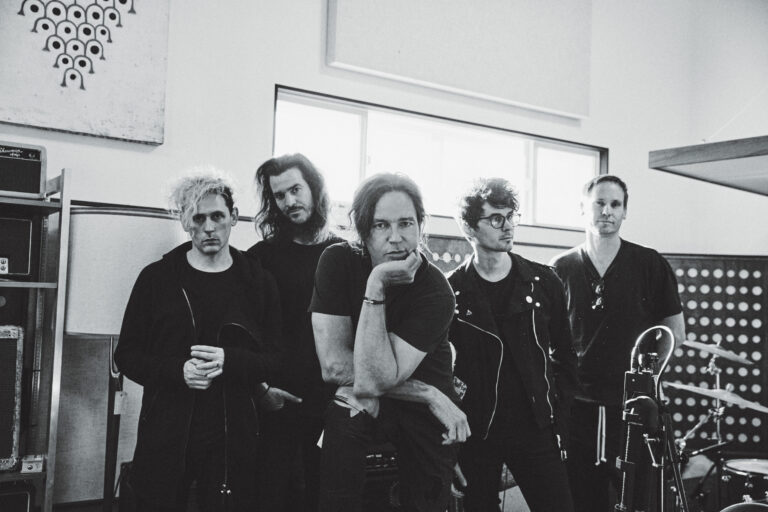
Deep Sea Diver’s third full-length record, Impossible Weight, has been described as full of โ€œrestless intensity that is both unsettling and transcendent.โ€ For bandleader Jessica Dobson, the albumโ€™s sonic and emotional expanse stems from a period of sometimes-brutal self-examination. This process began shortly after the Seattle-based four-piece finished touring behind their acclaimed sophomore album, Secrets. $18 advance/$22 door. Wednesday, Feb. 2, 8pm. Moeโ€™s Alley, 1535 Commercial Way, Santa Cruz. moesalley.com.

COMMUNITY

BAY AREA COMBAT โ€“ MIXED MARTIAL ARTS This hybrid of No-Gi Jiu-Jitsu, local musicians and amateur mixed martial arts has something for everyone. The MMA main event features Santa Cruzโ€™s Raul Quintero of Jiu-Jitsu Therapy taking on Antiochโ€™s Isaiah Chatman of Team Salguera. The winner will take home the Bay Area Combat Lightweight Title. $66.50. Saturday, Jan. 29, 5pm (4pm doors). Santa Cruz Civic Auditorium, 307 Church St., Santa Cruz. santacruztickets.com.

RECYCLING BOOT CAMP – CITY OF SANTA CRUZ Confused about recycling? You’re not alone! There have been many changes to the recycling industry. Is recycling still worth it? It is when itโ€™s done correctly. This in-depth look at the world of recycling will offer education on material management on a global scale and locally. Learn how you can be part of the solution. Tuesday, Feb. 1, 6-8pm. Virtual. Register at bit.ly/32Wr1yL.

GROUPS

COMMUNITY PILATES MAT CLASS The popular in-person community Pilates Mat Class is in session again. Please bring a mat, a small Pilates ball and TheraBand (if you have one.) Vaccination required. $10 suggested donation. Tuesday, Feb. 1, 10am. Temple Beth El, 3055 Porter Gulch Road, Aptos.

ENTRE NOSOTRAS GRUPO DE APOYO Entre Nosotras support group for Spanish speaking women with a cancer diagnosis. Meets twice monthly. Friday, Jan. 28, 6pm. WomenCARE, 2901 Park Ave., Suite A1, Soquel. Register at 831-761-3973.

WOMENCARE ARM-IN-ARM WomenCARE Arm-in-Arm Cancer support group for women with advanced, recurrent or metastatic cancer. Meets every Monday, currently on Zoom. Registration is required. Call WomenCARE at 831-457-2273. Monday, Jan. 31, 12:30pm. 

OUTDOOR

FREE TUESDAY AT UCSC ARBORETUM Explore the biodiversity of the arboretum gardens, birdwatch or simply relax on a bench in the shade. Free. Tuesday, Feb. 1, 9am. UCSC Arboretum & Botanic Garden, 1156 High St., Santa Cruz. arboretum.ucsc.edu.

Snail Comes Together for Long-Delayed Reunion

1

Ken Kraft and Bob Oโ€™Neill try to think about how much unreleased music they wrote for their band Snail during its original run from the late โ€™60s till the early โ€™80s. Kraft thinks there could be five albums worth of unreleased material. Oโ€™Neill isnโ€™t so sure, but acknowledges that there are probably a lot of songs he canโ€™t remember.

Snail only released two official LPs during their initial run (Snail in 1978, Flow in 1979). But some of those old, unreleased tunes have been recently recorded on the bandโ€™s brand-new record, Snail Rocks, like the crowd favorite โ€œWithout Youโ€ and the rocker โ€œJive Ass.โ€

In 2020, the group released Snail Now, which showcases the mellower side of Kraft and Oโ€™Neillโ€™s post-original-Snail years. Fans loved the album, though some were critical of its sound.

โ€œWe got some feedback from real diehard Snail fans from back in the day, saying, โ€˜You guys got to put an album out thatโ€™s more rock,โ€™โ€ Oโ€™Neill says. โ€œSo we listened to them.โ€  

Even though they recorded Snail Rocks in 2021, the record will bring old fans right back to the โ€™70s. The cover image is of Kraft and Oโ€™Neill playing live as Snail in 1978. Kraft is certain he knows the exact moment the shot was snapped: a climactic lick near the end of their tune โ€œChildhood Dreams.โ€

โ€œWe chose [the photo] because it showed that camaraderie between Bobby and I,โ€ Kraft says.

The songs on Snail Rocks range from the very early Snail days to random tracks that were written in the decades that followed, like opener, โ€œBelieve in Tomorrow,โ€ which Oโ€™Neill wrote in the late โ€™80s for his group Inflatable Dates. It was never released. For this album, they โ€œsnailized it,โ€ meaning completely transformed it to sound like a Snail rocker, which is something they did a lot of back in the day.

โ€œWe made a career out of doing cover songs, but changing them upโ€”we called it โ€˜Snailizing.โ€™ We don’t want to be a cover band,โ€ Kraft says.

On this record, they also โ€œSnailizedโ€ a song by John Lennon (โ€œLosing Youโ€) and one by John Mayer (โ€œGood Love is On The Wayโ€). Both of these songs are quite different than the originals.

There are a lot of unreleased songs from Snailโ€™s early years, because the band was unable to land a satisfactory record contract for nearly a decade. They demoed a lot of songs, but oftentimes, these deals fell through. โ€œWithout You,โ€ for instance, was originally recorded in the โ€™70s for Buck Owens as part of a four-song demo. Owens wanted to bring a rock band onto his country label and thought Snail would be perfect. But the band didnโ€™t like the deal he offered.

After Snail broke up, Kraft and Oโ€™Neill went their separate ways, but stayed friends. They did other projects together that didnโ€™t rock nearly as hard as Snail.

โ€œ[Snail Now], we were thinking that really represented the side of me and Bob as partners for all these years,โ€ Kraft says. โ€œBut we wanted to make something that was more in the rock โ€™nโ€™ roll vein of our first two albums that we put out in 78-79. I think weโ€™ve succeeded in doing that, because this thing does kick ass.โ€  

The group will play their first show in decades on Jan. 29. Originally, they were going to play their long-awaited show in April 2020 to celebrate the release of Snail Now, but the pandemic sidelined their plans.

Now, theyโ€™re not only ready to play again, but they want to bring the original Snail vibe back to the stage. They have Jim Norris on drums (he drummed on their โ€™70s records), and they are going to play lots of songs from those two albums as well as some from Snail Rocks. A lot of these songs they didnโ€™t even play at their reunion shows in the โ€™80s and โ€™90s.

โ€œWe want to present those old songs that people used to come see when we played the Catalyst all the time,โ€ Oโ€™Neill says. โ€œThe songs that were popular then.โ€

Snail performs at 8pm on Saturday, Jan. 29 at Michaels on Main, 2591 Main St, Soquel, $20. 831-479-9777.

Letter to the Editor: Just Google It

Regarding the letter to the editor โ€œTwisted Logicโ€ (GT, 1/12), it does not seem to put forth either logic or common sense as the author intended. The author chooses to argue from the vantage point of their world view vs. taking the simple, common sense step of researching the issue and offering a clear and better defined opinion. โ€œCommon senseโ€ as articulated by my then 11-year-old daughter is โ€œjust Google it.โ€

First item I found points out some logical and common sense things that โ€œcomprehensiveโ€ needle exchange programs do. For example: โ€œNearly 30 years of research has shown that comprehensive SSPs are safe, effective and cost-saving, do not increase illegal drug use or crime and play an important role in reducing the transmission of viral hepatitis, HIV and other infections.โ€

Beyond this report, common sense would lead me to believe that IV drug users are encouraged to turn in their syringes for new ones (wow, less needles on trails, beaches, etc.), less likely to reuse or share needles (ah, harm reduction is also โ€œcommon senseโ€), and get this: per the CDC, needle users engaging in needle exchange become 5 times more likely than non-participants to enroll in treatment services. Why? Because the staff exchanging the syringes are doing more than just exchanging syringes, they are building relationships, offering information and support about alternatives that are open to the individual caught in the cycle of addiction.

Common sense would lead us to examine and ask if our local Needle Exchange programs are โ€œcomprehensiveโ€ as described by the CDC. Common sense that does not lead to the common good is not common sense.

James Russell

Santa Cruz


This letter does not necessarily reflect the views of Good Times.To submit a letter to the editor of Good Times: Letters should be originalsโ€”not copies of letters sent to other publications. Please include your name and email address to help us verify your submission (email address will not be published). Please be brief. Letters may be edited for length, clarity and to correct factual inaccuracies known to us. Send letters to le*****@*******es.sc.


Letter to the Editor: Let Us Choose

I know that the Electoral College is not a democratic voting system since small states have undue influence, which they increase by gerrymandering. However, as much as possible, voters need to be the ones choosing their representatives, not the reverse.

We need federal reform to ensure we have fair maps nationwide. The Freedom to Vote Act and John R. Lewis Voting Rights Advancement Act will end partisan gerrymandering and ensure more fair, transparent and nonpartisan maps.

However, the freedom to vote is under attack by extremist state lawmakers across the country who want to put up deliberate barriers to make it harder to voteโ€”especially for people of color.

I believe our elected representatives support the federal standards in these two acts, but elsewhere elected representatives are refusing standards in the interest of reducing participation.

Olof Hellen 

Santa Cruz


This letter does not necessarily reflect the views of Good Times.To submit a letter to the editor of Good Times: Letters should be originalsโ€”not copies of letters sent to other publications. Please include your name and email address to help us verify your submission (email address will not be published). Please be brief. Letters may be edited for length, clarity and to correct factual inaccuracies known to us. Send letters to le*****@*******es.sc.


Letter to the Editor: Burning Anxiety

Re: โ€œTrials By Fireโ€ (GT, 1/19): I read Ryan Mastersโ€™ article with increasing anxiety and concern, becoming more claustrophobic with each sentence. Brave and courageous of him to do this training. Brave of all the firefighters in our lives.  And, sadly, shame on us for living where others must risk their lives to protect us and our possessions.

Patricia Mc Veigh

Santa Cruz


This letter does not necessarily reflect the views of Good Times.To submit a letter to the editor of Good Times: Letters should be originalsโ€”not copies of letters sent to other publications. Please include your name and email address to help us verify your submission (email address will not be published). Please be brief. Letters may be edited for length, clarity and to correct factual inaccuracies known to us. Send letters to le*****@*******es.sc.


Clinic Opens In Historic Ben Lomond Church Site

Santa Cruz Community Health will provide comprehensive primary care services at its new clinic, formerly Wee Kirk Church

Santa Cruz City Council Moves Forward With Housing Project, Despite Appeal

Thirty-five of the units will be rented at the very-low-income level, or 50% of the area median income; the rest will be rented at market rate

Yes, Omicron Is Loosening Its Hold. But the Pandemic Has Not Ended

As cases decline in some parts of the country, many have begun to hope that this surge is the last big battle with the virus

County Pledges $5 Million For Watsonville Hospital Purchase

The funding is in addition to $500,000 the Countyโ€™s Board of Supervisors previously provided to support the purchase

Film Screening to Commemorate 1930 Watsonville Race Riots

The Tobera Project is a local initiative aiming to preserve and celebrate Watsonvilleโ€™s Filipino history

Things To Do in Santa Cruz: Jan. 26-Feb. 1

Black Joe Lewis and the Honeybears with Cedric Burnside, Jesse Cook, Jazz at Lincoln Center Orchestra with Wynton Marsalis and more

Snail Comes Together for Long-Delayed Reunion

The beloved Santa Cruz rockers to unearth a plethora of unreleased material

Letter to the Editor: Just Google It

A letter to the editor of Good Times

Letter to the Editor: Let Us Choose

A letter to the editor of Good Times

Letter to the Editor: Burning Anxiety

A letter to the editor of Good Times
17,623FansLike
8,845FollowersFollow