Don’t Be Blindsided

The ocean warned us, but we ignored it. 
Not because we were reckless or stoned. Not because we were taking a selfie. We ignored it because we forgot.

The day before two young women were swept into the ocean and drowned at Panther Beach, my hiking group, The Pillars, was standing at the exact spot where they would later be carried away.

We were there for geology. Geologist Dwight Harbaugh was explaining how the stunning, psychedelic cliff formations at Panther Beach graphically show the volcanic eruptions, tectonic collisions, sandstone laminations, and the deep ocean mudstone of millions of years of California history.

Dwight, Ben Rice and I stood with our backs to the ocean, staring at the cliff. Then a wave hit us. It wasn’t a giant wave; it didn’t knock us down. It didn’t take anyone with it back out into the Pacific. It soaked us and left us feeling foolish. Three experienced hikers had forgotten Rule Number One: never turn your back on the ocean.

Twenty-four hours later, Fremont residents Harshita Nair, 21, and Mahial Sran, 20, were swept into the water at Panther Beach and died. The tragedy raises a difficult question. If experienced hikers can momentarily forget the ocean behind them, how do ordinary beachgoers recognize danger that doesn’t look dangerous?

According to Michael Horn, CAL FIRE information officer, lifelong Santa Cruzan, former lifeguard and water-safety expert, that’s exactly why sneaker waves are so deadly. “They sneak up on people who aren’t expecting them,” Horn says.

Not rogue. Sneaker.

In the April 24, 2026 Good Times weekly column, Take a Hike (goodtimes.sc/columns/take-a-hike), I called them rogue waves (“Don’t Turn Your Back on the Ocean”). Horn prefers another term.

“I think calling it a rogue wave is just demonizing what it really is. A sneaker wave is one of the bigger waves in a set,” he says. “The ocean will be flat for a little bit, or have really small waves, and then a big set will come in.”

The key danger isn’t necessarily the size of the wave; it’s the surprise. A beach can look calm for 10 minutes and people relax, walk closer to the water, sit on driftwood. They stop paying attention, then one larger wave arrives. “The reason it’s called a sneaker wave is that it sneaks up on people,” Horn says.

Meteorologists note that big winter storms can kill fewer people than moderate surf conditions. Massive waves frighten people away; sneaker waves are more insidious because they arrive when people feel safe.

Why Panther Beach is different

Panther Beach is among the most beautiful stretches of coastline in Santa Cruz County. It’s also one of the most unforgiving. It is a steep beach, and Horn says that can move an enormous amount of water in and out with every wave.

“If it’s really steep when a big wave comes in, that’s a lot of wave,” he says. “And when the wave goes back out, that’s a lot of water that’s going to pull you with it.”

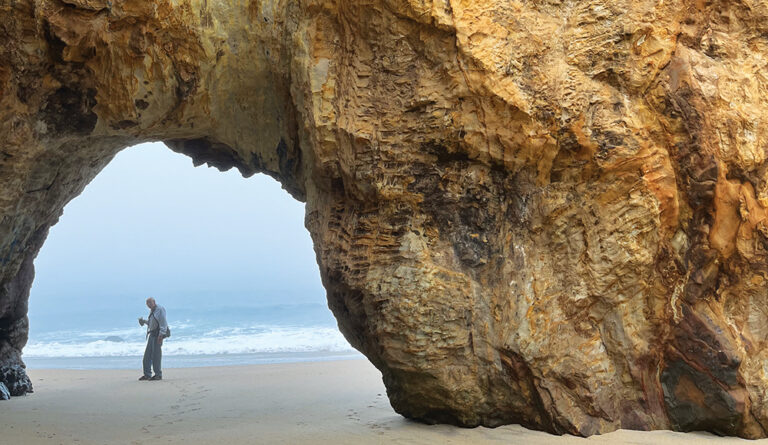
Panther Beach has a tunnel through a rocky section known as the Keyhole. At very low tide, people can access areas of beach beyond it. We decided to go for it and walked through. As tides rise, that exit back through the Keyhole can disappear. Visitors can find themselves trapped. “They’re cut off,” Horn says.

That appears to have been a factor in the June 10th tragedy. Authorities still don’t know exactly what happened to Nair and Sran. Were they napping? Horn says their backpacks and towels were found completely dry further up the beach, so the napping theory is less likely. Maybe they were going for a dip when they got trapped on the ocean side of the Keyhole. Horn believes it is more likely that the women were exploring the beach, became isolated by rising water, and were struck by larger waves. “Once the wave hit them, they were probably tossed and turned until they became exhausted,” he says.

He says that the ocean near the cliffs can become a washing machine of colliding forces. Incoming waves rebound off rock walls while new waves continue arriving. “I’m an excellent swimmer,” Horn says. “And I’ve been tossed like that to the point where I almost needed rescue.” This isn’t necessarily about swimming ability; strong swimmers drown in surf every year.

Five rescues in a month

Horn says Santa Cruz County Fire has responded to five water rescues in the last month. Everyone he has spoken with considers that unusually high.

“We had some great weather in May, and then we had this gnarly wave storm that came from the South Pacific or from the equatorial Pacific, where there was a couple of hurricanes that created some waves. I go to Harbor Beach all the time, but I haven’t seen waves break over the jetty in years. It happened last night. It’s been happening every day for the last week and a half.” That’s why so many water rescues: more people, more exposure, larger surf.

Three rules that matter

Horn repeatedly returns to three simple ideas.

First: Never turn your back on the ocean. Sounds simple but it is not. The Pillars forget. Thousands of beach visitors forget every year. Even a few seconds of warning can matter.

“If you can see it, at least you know it’s coming,” Horn says. “The further up the beach you get, the safer you’re going to be.”

Second: Know what the ocean is doing before you arrive. Check tide charts, check surf forecasts, check weather advisories. Look for warnings from the National Weather Service. Horn says modern smartphones make this easy.

I ask him, “If you had a relative going to Panther Beach, what would you tell them to look up?”

“Sunrise, sunset, high tide, low tide. Storm surges.”

Third: Read the beach. If the sand is wet, the ocean has already been there and will be back. Steep beaches deserve extra caution because water rushes both in and out with tremendous force. Flat beaches offer more room to react; steep beaches offer less. Panther Beach is very steep.

The ocean is not a toy

One of Horn’s most useful observations is that ocean safety should be treated the same way we treat weather. He says that nobody steps outside naked during a snowstorm because they looked outside once and saw sunshine. Check forecasts, prepare: look at tide charts and surf forecasts to see whether conditions are changing. Know whether your exit route may disappear. Most of all, don’t assume the next ten minutes will look like the previous ten minutes.

A place worth visiting

During a Good Times editorial discussion, one question emerged: “If Panther Beach is dangerous, why should we encourage people to go there?”

Fair question, but maybe the wrong one. Driving to the trail is dangerous, hiking is dangerous, yet millions of people safely enjoy it by paying attention. Horn isn’t telling people to avoid the coast; he’s telling people to respect it. Panther Beach remains one of the most spectacular places in Santa Cruz County. The geology of the cliffs is astonishing; the beauty is unforgettable. But the ocean is a powerful natural force that occasionally reminds us who is in charge.

“The ocean is not a free toy,” Horn says. “It’s a very big, serious thing that can cause a lot of harm.”

The day before two young women died at Panther Beach on June 10th, The Pillars received a harmless warning. The difference between those two outcomes may have been nothing more than a single wave arriving at exactly the wrong moment, which is why the oldest rule on the coast remains the best one: never turn your back on the ocean.


Rejoice, Rejoice

Finding inner peace just became a little more attainable for those seeking it on the Central Coast. According to Buddhist doctrine, the act of seeing Buddha iconography or participating in virtuous Buddhist activities is believed to bring good karma to those who partake.

With Tibetan music, monks chanting, Mongolian cultural performances, plus a free lunch and educational booths, there will be spirituality in abundance as the Medicine Buddha Festival unfolds deep in the forest of Soquel. Free and open to the community, June 27,10am- 3pm, the festival begins with a procession into the trees at 11am for the hanging of the thangka (painting) at the gompa (temple)in the lower part of the sacred land.

The centerpiece of the annual Festival is a masterpiece of Buddhist art, a 25-foot-tall thangka by Swiss artist Peter Islie. The holy artwork is a sacred object revered in Buddhist culture as a means to receive blessings. Amidst the melodic sounds of Tibetan monks chanting, the thangka will be carried up the hill to the festival grounds and backlit between two redwood trees at the gompa. The procession ends at the Wish Fulfilling Temple to start the festivities with Tibetan music, medicine, dance and hiking.

“The monks and nuns will be in that procession,” says Denice Taylor Macy, Medicine Buddha Festival organizer. Several tables of offerings in front will display “water bowls, all kinds of food, flowers and fruit offerings.” Families are welcome, and kids’ activities include face painting, prayer flag making and more.

The festival is a day of offerings honoring Kyabje Lama Zopa Rinpoche’s guidance.

Kyabje Lama Zopa Rinpoche has encouraged as part of the Vast Visions for the Foundation for Preservation of Mahayana Tradition to support, create, and display large thangkas and to host a thangka festival where many people can gather to enjoy the beauty and power of the holy artwork, participate in making offerings and other virtuous activities.

“It’s a tradition in Himalayan centers like Tibet and Nepal to have these huge thangkas, and they unroll them on special days of the year. So the tradition came from Nepal and Tibet. He’s from Nepal and brought this tradition.” The thangka procession will be led by the Gamelan Orchestra.

In addition to the 25-foot thangka, the Eight Great Bodhisattva thangkas will also be on display, painted by Gelek Sherpa, a Nepali American.

Geshes from the Sera Jey Foundation will lead a two-mile Peace Hike and a short talk on Medicine Buddha by Geshe Tenzin Legtsok. A geshe is on par with a PhD degree from a monastery.

According to Buddhist doctrine, there are certain benefits to be gained by participating in the festival and viewing specific Buddhist iconography. “The medicine is the dharma, the teachings, the blessings we get … Each of the buddhas has their specialties, like floods and famine.”

Macy also serves as project manager for the Stupa Project, a collection of sacred glass vessels sometimes dedicated to loved ones. Buddhist doctrine is represented in different ways; physically with statues, speech by dharma teachings and an enlightened mind by the stupa.

According to the practice, citizens will receive good karma from seeing or walking around a stupa. “What’s different with a Buddhist stupa is it’s filled with holy objects,” Macy said. “You don’t really need to know the teachings, but somehow being around these things touches your heart in some way, brings peace to you and peace around the world.”

Three sets of dancers perform at the festival, from Mongolian traditional contortion to dancers from the Tibetan Association of Northern California and a kids troupe from Richmond. “The first offering will be songs and performances from the Mongolian community. “It’s a thing with Mongolians to do acrobatics and contortionism,” Macy said. Everybody is invited to get up and join the dance at the end.

Initially a 58-acre parcel, the Land of Medicine Buddhas has grown to a 108-acre resort and conference center. The original resort started in 1909, and LMB has owned the land since the 1980s, Macy said. The first festival was held in 2002. “Even during COVID, we hung our thangka but didn’t have an event. This is the first year since 2019 that we’ve had the full representation of what a full festival would be,” she added.

Visitors are generally requested to refrain from loud noise or behavior on the grounds when people are in meditation or practice, but on this special day, “It’s music and celebrating,” Macy said. “We’re celebrating the Medicine Buddha puja.”

If you go: June 27, 10 a.m.- 3 p.m. 5800 Prescott Road, Soquel. Limited parking is available at the land, 462-8383. To make a donation or Puja Dedications, visit online, landofmedicinebuddha.org

Beyond the Scale

What if your most important health numbers aren’t your weight, BMI, or even your cholesterol? Two people can step on a scale and see the same number, yet one may have the muscle mass of an avid hiker and the bone density of a 30-year-old, while the other is quietly losing both. That’s why a growing number of Santa Cruz residents are looking beyond the scale and getting a glimpse of what’s really happening.

So you can imagine my excitement when I discovered the wellness enthusiast’s version of the ice cream truck, only better: a mobile DEXA scan lab. Operated by exercise physiologist, endurance athlete, former Apple health coach and all-around nice guy David Liotta, BluRithm brings advanced body composition testing directly to multiple Toadal Fitness and GOAT Santa Cruz locations.

Originally developed to assess bone density, DEXA, or Dual-Energy X-ray Absorptiometry, uses two low-energy X-ray beams to measure body composition with remarkable precision. The scan can estimate muscle mass, body fat percentage, bone density and visceral fat, the type of fat stored deep within the abdominal cavity that is associated with increased health risks.

As interest in longevity, healthy aging and body composition grows, Liotta has found a receptive audience among everyone from elite athletes to retirees.

“Some people are tracking changes because they’re on a weight-loss journey,” he says. “Others are focused on building muscle, monitoring bone density, or they’re simply curious and want to understand their bodies more accurately.”

Liotta believes the real value isn’t the technology itself. “The conversation is the important part,” he says.

A typical BluRithm appointment takes about 20 minutes. The scan itself requires only six minutes. The remaining time is devoted to reviewing results and answering questions. While some clients have undergone multiple scans and simply want the data, others arrive feeling nervous or uncertain about what they might discover.

Although Liotta is careful not to diagnose medical conditions, DEXA scans can identify measurements that may warrant further discussion with a physician.

“If I see numbers that suggest someone may be at higher risk for osteopenia or osteoporosis, I’ll encourage them to have a conversation with their doctor,” he explains. “I’m very clear that I’m not diagnosing anything, but I don’t want someone to leave without understanding that there may be something worth exploring.”

As Americans live longer, healthcare professionals are paying increasing attention to sarcopenia, the age-related loss of muscle that can reduce mobility, increase fall risk and diminish quality of life.

“Maintaining muscle mass as we age may be one of the most important things we can do for long-term health.”

Liotta has worked with world-class athletes, including Olympic contenders. These athletes often monitor body composition every few months, seeking the delicate balance between maximizing muscle and minimizing excess body fat without compromising health.

Some come because a family member was recently diagnosed with osteoporosis. Others want a baseline measurement as they enter midlife. Still others are simply interested in learning more about their bodies.

What sets BluRithm apart is Liotta’s commitment to making the experience body-positive and educational rather than judgmental.

“I want to support people in a body-positive, affirmative way,” he says. “The data matters, but how we talk about the data matters too.”

In a culture obsessed with weight, Liotta believes body composition offers a more meaningful metric.

Two people can weigh exactly the same yet have dramatically different amounts of muscle, bone and visceral fat. Understanding those differences can help guide exercise, nutrition and healthy aging strategies far more effectively than a number on the scale alone.

For Liotta, that’s ultimately the goal. Personally, I was relieved to learn I do not have osteoporosis, an important fact I would have otherwise had to wait until age 65 for insurance coverage to discern.

As interest in longevity and preventive health continues to grow, this deeper understanding may prove to be one of the most valuable health metrics.

Learn more atblurithm.com. Book online to visit one of the multiple locations throughout Santa Cruz: GOAT Santa Cruz, 1055 17th Ave; $119 USD 30 min. DEXA scan and conversation. All Santa Cruz County TOADAL Fitness locations; $79 20 min. DEXA scan and conversation

Elizabeth Borelli is a Mediterranean Lifestyle diet and lifestyle expert. Check out her free resources and local events at ElizabethBorelli.com

Can Food Improve Mood?

When most people think about mental health, they think about therapy, medication, stress management, or perhaps childhood experiences. Rarely do they think about what’s on their plate.

But according to Dr. Andrea Cook, a UCSC professor, licensed clinical psychologist, and certified health coach, that may be changing.

Cook is part of a growing movement of researchers and clinicians exploring nutritional psychology, an emerging field that examines the two-way relationship between what we eat and how we feel. The science is still young, but the evidence is becoming increasingly difficult to ignore.

“We now have enough research to show that what you eat directly impacts mental health,” Cook says. “For years, the message was to eat healthy so you don’t develop heart disease or diabetes later in life. But now we’re seeing that nutrition can affect how you feel today.”

That distinction is particularly relevant for younger generations experiencing unprecedented rates of anxiety, depression, and stress.

“If you’re struggling emotionally, changing your nutrition may help you find relief now—not just decades from now,” she says.

A Missing Piece in Psychology

Cook’s interest in nutritional psychology grew out of her work as a health psychologist and her training in functional medicine health coaching. As she worked with clients managing chronic health conditions, she began noticing something that traditional psychology training rarely addressed.

“I was seeing dramatic effects from lifestyle changes,” she says. “It became clear that this was something missing from our clinical training and even from our basic understanding of psychology.”

Rather than viewing mental health solely through the lens of thoughts, emotions, and life experiences, nutritional psychology adds another dimension: the role of biology.

The field examines how food influences mood, cognition, energy levels, stress resilience, and emotional well-being. At the same time, it explores the reverse relationship, how emotions, stress, trauma, and mental health influence eating behavior. In other words, food affects mental health, and mental health affects food choices.

More Than Willpower

One of the most compelling aspects of nutritional psychology is its challenge to the idea that healthy eating is simply a matter of willpower. Most of us know what we should eat. The challenge is understanding why we don’t.

“It’s one thing to say, ‘I know I shouldn’t eat sugar,'” says Cook. “It’s another thing to understand why you keep reaching for it.”

That conversation can include everything from stress eating and family influences to the controversial topic of food addiction. While researchers continue to debate the term, Cook notes that certain highly processed foods are specifically engineered to stimulate reward pathways in the brain.

“We’re not saying all foods are addictive,” she says. “But some foods have been designed to activate the brain in ways that are similar to substances of abuse.”

Understanding those biological and psychological influences can help reduce shame and self-criticism around eating behaviors while opening the door to more effective solutions.

When Food Gets in the Way

Cook believes nutritional psychology can complement traditional psychotherapy rather than replace it. When clients come seeking help for anxiety, depression, or relationship challenges, she often begins with education.

“You may not know this,” she tells them, “but we’re finding that foods can directly affect how much energy you have, how much you worry, how fatigued you feel, and even how clearly you think.”

That doesn’t mean childhood experiences or emotional patterns stop mattering. Rather, nutrition can influence a person’s ability to address those deeper issues.

“Sometimes food is getting in the way of making changes,” she says. “It can affect whether you have the energy to take a walk, have a difficult conversation, or engage fully in therapy.”

Building physical resilience, she says, often helps build emotional resilience as well.

A Personal Discovery

Cook’s passion for the subject is also personal. Like many people who came of age during the low-fat era, she spent years trying to follow conventional dietary advice.

“I was disciplined and hardworking, but I was hungry all the time,” she recalls.

Everything changed after meeting with a nutritionist who encouraged her to eat more protein and healthy fats and to pay attention to her body’s hunger signals. The results were dramatic.

“I remember thinking, ‘I’m a different person,'” she says. “I felt calmer. I wasn’t hungry all the time. I didn’t know I could feel like this.”

That experience reinforced her belief that nutrition can profoundly influence mood, energy, and emotional stability.

Beyond Nutrients

One of the most refreshing aspects of Cook’s approach is her rejection of rigid food rules. She often draws on principles from intuitive eating, which encourages people to reconnect with their body’s signals and develop a healthier relationship with food.

Instead of labeling foods as “good” or “bad,” she encourages what she calls nonjudgmental curiosity.

“This isn’t about getting it right,” she says. “It’s about continuing to explore what works for your body.”

That perspective also includes acknowledging the social and emotional dimensions of eating. Sharing meals, cooking with others, enjoying favorite foods in moderation, and finding pleasure in eating all contribute to well-being.

“It’s important to understand the difference between food that nourishes your body and food that comforts your emotions,” Cook says. “Both have a place. The key is awareness.”

Teaching the Next Generation

Cook’s popular UCSC course on nutritional psychology regularly attracts around 180 students each quarter. She even wrote the textbook herself after discovering a lack of educational resources in the field. The response from students has been overwhelming.

“They often tell me it’s one of the most meaningful and life-changing classes they’ve taken,” she says.

Perhaps most surprising, every class session includes a five-minute meditation. For Cook, that practice reinforces a central lesson of nutritional psychology: mental health is about far more than food alone.

“This is a lifestyle,” she says. “It’s not just eating the right foods. It’s also learning how to calm your nervous system in an era of chronic stress.”

In many ways, that may be the field’s greatest contribution. Nutritional psychology reminds us that mental health isn’t just in our heads. It’s also in our kitchens, our grocery carts, our dinner tables, and the daily habits that shape how we feel.

And for a generation searching for practical ways to improve well-being, that may be welcome news indeed.

READ NEXT: Looking for simple ways to put nutritional psychology into practice? Explore local superfoods available at Santa Cruz County farmers’ markets, then read why America’s protein obsession may be missing the bigger picture: fiber, balance and eating for long-term health.

Finding Super Foods

Walk through any health food store and you’ll find shelves lined with expensive powders, supplements and exotic ingredients promising everything from better brain health to a longer life.

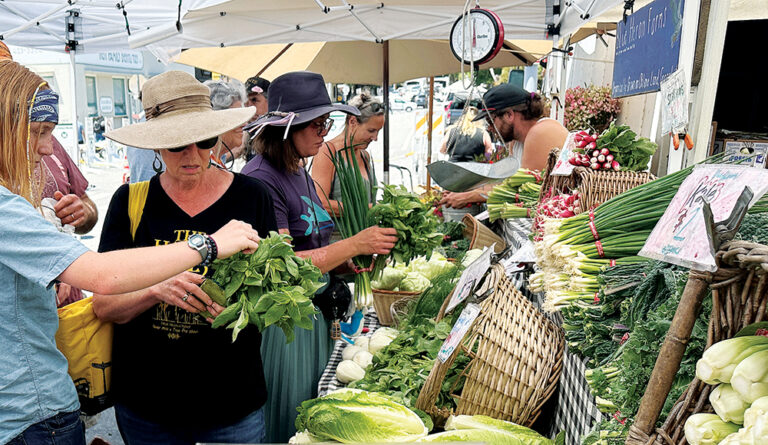
But before you drop $40 on another energy-boosting, gut health or super immunity supplement, you may want to walk the aisles at one of our bountiful local farmers’ markets.

We live in a grower’s paradise, rich with the foods researchers consistently associate with longevity, lower inflammation, heart health and a thriving microbiome growing right here in Santa Cruz County. Better yet, they’re often fresher, tastier and less expensive than their trendy counterparts.

Admittedly, the term “superfood” may be more marketing than science, but some foods truly do pack an impressive nutritional punch. Here are a few local standouts worth adding to your shopping list.

Berries: tiny nutritional powerhouses

If there were a superfood hall of fame, berries would make the cut.

Blueberries, blackberries, raspberries and strawberries are rich in anthocyanins, the compounds responsible for their vibrant colors. Research suggests these antioxidants may help reduce inflammation, support heart health and protect cognitive function as we age.

These days Santa Cruz County is berry central. Right now, during peak season, farmers’ markets overflow with locally grown berries harvested at the height of ripeness, a far cry from the hard, flavorless berries often shipped long distances to grocery stores.

P.S., if you haven’t tried the P&K Farms strawberries at the Aptos Market, they’re worth the wait!

Mushrooms: brain food from the forest

Mushrooms have become wellness celebrities in recent years, and unlike many nutrition trends, this one has science behind it.

Varieties such as lion’s mane, shiitake and oyster mushrooms contain compounds linked to immune health, cognitive function and healthy aging. Researchers are particularly interested in ergothioneine, a potent antioxidant found in mushrooms that may help protect the brain from age-related decline.

Visit New Natives at any of the Santa Cruz markets for an impressive assortment of fresh fungi, making it easy to expand your culinary horizons.

Extra virgin olive oil: liquid gold

No list of superfoods would be complete without extra virgin olive oil.

A cornerstone of the Mediterranean diet, olive oil is rich in heart-healthy monounsaturated fats and polyphenols, plant compounds with powerful antioxidant and anti-inflammatory effects. Study after study has linked regular olive oil consumption to lower rates of cardiovascular disease, improved brain health and increased longevity.

Unlike highly refined oils, true extra virgin olive oil is minimally processed, preserving many of its beneficial compounds.

Santa Cruz County is fortunate to have exceptional local producers. Aptos-based Bella Farms and Pleasant Valley Olive Oil both produce award-winning extra virgin olive oils that rival some of the finest oils from Italy and Spain.

Drizzle it over vegetables, beans, salads or soups, and you’ll not only improve flavor—you’ll increase your body’s ability to absorb many of the nutrients found in those foods.

Microgreens: small but mighty

Microgreens may be tiny, but they’re nutritional heavyweights.

Harvested shortly after germination, these young greens often contain higher concentrations of vitamins, minerals and antioxidants than their mature counterparts. Think of them as vegetables in their most concentrated form.

Local producer New Natives has long been a farmers’ market favorite, offering a colorful assortment of sprouts and microgreens that can instantly elevate sandwiches, salads, grain bowls and avocado toast.

Sea vegetables: the ocean’s superfood

While kale gets most of the attention, sea vegetables may be one of California’s most overlooked nutritional treasures.

Seaweeds are naturally rich in minerals such as iodine, magnesium and potassium, along with unique plant compounds that researchers are beginning to explore for their potential health benefits.

Local producer Hakouya specializes in sea vegetable products inspired by Japanese culinary traditions. A sprinkle of seaweed flakes can add both nutrition and umami flavor to soups, salads and grain dishes.

Fermented foods: feeding the microbiome

If you’ve been paying attention to nutrition research lately, you’ve likely heard about the importance of gut health.

Fermented foods such as kimchi, sauerkraut and cultured vegetables contain beneficial microbes that may help support a healthy digestive system and a more diverse microbiome.

The science is still evolving, but researchers continue to uncover connections between gut health, immune function, metabolism and even mental well-being.

Several local vendors, including award-winning Wise Goat and La Vie, offer a creative and delicious variety of fermented foods at Santa Cruz farmers’ markets, making it easy to experiment with adding more probiotic-rich foods to your diet. And if you haven’t tried Wise Goat’s fermented salsa, you’re in for a treat!

Beans: the longevity all-stars

If I could recommend just one superfood, it would be beans.

Beans and lentils consistently show up in studies of the world’s longest-lived populations. They’re rich in fiber, protein, vitamins, minerals and phytochemicals, while remaining one of the most affordable foods available.

Better yet, new studies show that eating legumes and soy products daily was linked to a lower risk of high blood pressure.

Beans are also one of the rare foods that simultaneously nourish us and the trillions of microbes living in our gut.

At the West Side market, visit Blue Heron, while at the Downtown and Live Oak markets, Dirty Girl Produce offers an exceptional selection of dried heirloom beans.

At the Aptos market, visit Spade & Plow forlocally grown dried beans.

Chocolate: nature’s brain food

No list would be complete without a dose of dark chocolate. A new Columbia University study found that a daily serving of 70+% dark chocolate is supports cocoa flavanols, naturally occurring bioactives found in cocoa, which reversed age-related memory decline in healthy older adults.

To score rich, high-quality dark chocolate, visit Ashby Confections every other Saturday (be sure to check their website) toggling between Aptos and the West Side Farmers’ Markets.

The real superpower: variety

The truth is that no single food creates health.

What makes farmers’ markets so valuable isn’t any one berry, mushroom or bean. It’s the incredible diversity. Research increasingly suggests that eating a wide variety of plant foods supports a healthier microbiome and may contribute to many of the benefits associated with traditional Mediterranean diets. So, the next time you’re looking for a nutritional upgrade, skip the latest miracle juice and head to the farmers’ market instead.

READ NEXT: Food doesn’t just nourish the body—it may also shape mood, energy and emotional well-being. Learn how UCSC professor Andrea Cook explains the emerging field of nutritional psychology, then dig into the debate over whether America’s protein craze has gone too far in Protein Obsession: How Much Is Too Much?

Protein Obsession

Walk through any grocery store, scroll social media for five minutes, or listen to the latest health podcast, and you’ll quickly get the message. We’re apparently in the middle of a protein crisis.

Protein bars, protein water, protein cereal, protein coffee…these days it seems nearly everything short of toothpaste has been fortified with extra grams. Influencers encourage us to hit ever-higher protein targets, while food manufacturers race to slap “high protein” labels on products that never needed them in the first place.

But are most Americans really deficient in protein? Or is the latest nutrition obsession distracting us from a far bigger dietary problem?

To be fair, the protein frenzy didn’t emerge out of nowhere. Recent federal dietary recommendations increased daily protein targets and highlighted animal-based sources, including red meat and dairy, helping fuel consumer demand.

Before you drop what you’re doing in a rush to stock up before it’s too late, here’s a suggestion. Pick up your phone or open your favorite search engine and enter a simple query: “percentage of Americans who are protein-deficient.”

If you’d prefer to read the answer right here, FactCheck.org states “Americans don’t need ‘dramatically more protein,’ despite officials’ claims.” Looking for a more convincing resource? How about Harvard School of Public Health’s 2025 article, asserting “Protein is important, but we’re eating too much, experts say.”

Good Times readers may recall the January cover story, “Flipping the Food Pyramid,” which explored the disconnect between the recommendations made by an independent panel of nutrition scientists and the final dietary guidelines released by the USDA.

The story describes how an expert panel, carefully screened to minimize commercial bias, recommended a greater emphasis on plant-based foods. However, the final guidelines, shaped by federal decision-makers and input from agricultural industry representatives, placed greater emphasis on animal-based foods, including meat and dairy, conveniently ignoring current American Heart Association guidelines on saturated fat.

Easy as it is to blame the government, there are multiple drivers fueling this runaway train. The protein craze has been escalating over the past decade. As influencer marketing increasingly gains more mindshare, protein product sales have continued to rise.

“The obsession with protein is actually driven by the perception that more protein equals better health,” says Daphene Altema-Johnson, MPH, MBA, RDN, LD, a senior program officer at the Johns Hopkins Center for a Livable Future (CLF) and a registered dietitian.

Diet Culture Strikes Again

In a society that seems to struggle with the concept of balance, as usual, the biggest push is cultural. 

America has a long history of turning nutrition into a single villain (or in this case, hero) story. In the 1980s and ’90s, fat became the enemy, giving rise to shelves of fat-free cookies, candy and yogurts that contained more sugar than ice cream. During the same period, obesity and Type 2 diabetes rates continued to climb, suggesting that removing one nutrient while increasing ultra-processed foods was hardly a public health win.

Then came the low-carb era, with Atkins and its descendants reframing bread, pasta and potatoes as the problem. Low-carb diets can help some people lose weight or improve blood sugar in the short term, but the trend also encouraged us to demonize whole grains, beans and fruit, foods consistently linked with better long-term health.

The gluten-free wave followed a similar pattern. For the 2% of the population with celiac disease, avoiding gluten is medically necessary. But it didn’t take long before gluten-free became shorthand for “healthy,” even though most gluten-free packaged substitutes are higher in sugar and lower in fiber than the less processed products they replace.

Now protein is having its moment. To be sure, protein matters, especially as we age and work to preserve muscle. But most Americans already get enough protein, especially from animal sources. And increasing our intake often means consuming more saturated fat, a nutrient we’re already getting more than enough of.

At the end of the day, where is all the single-nutrient focus getting us? Today, less than 12.2% of Americans are considered metabolically healthy.

Bigger, better, faster, more?

The protein craze isn’t just about hitting ever-higher daily targets. It’s also fueling a trend toward faster, more convenient eating. In a recent video, one influencer enthusiastically promotes pre-cooked meat packaged in individual plastic pouches, flexing her biceps, she attributes to the 54 grams of protein per serving. Better yet, she explains, it can be heated and eaten in under seven minutes, leaving time for more important things. Once finished, simply toss the empty pouch in the trash. A plate, apparently, is optional.

That mindset captures much of modern American nutrition culture in a nutshell. Food is increasingly viewed as a collection of nutrients to be optimized, quantified and consumed as efficiently as possible. Meals become delivery systems for protein, fiber or calories rather than opportunities to savor flavors, connect with others or simply enjoy eating.

This mechanistic view of diet treats the body like an instrument that performs best when supplied with the right inputs. While optimizing nutrient intake is no doubt a smart approach, it overlooks important aspects of health that can’t be measured in grams.

Decades of research on Mediterranean and other traditional eating patterns suggest that how we eat matters too. People who enjoy long meals with family and friends, cook from whole ingredients, eat slowly and derive pleasure from food often experience better health outcomes than those focused solely on nutrient targets. In other words, good health isn’t just about what goes into our bodies, it’s also shaped by the customs, relationships and experiences that surround the meal itself.

Your microbes want more than protein

Of the three macronutrients, protein, fat and carbohydrates, only one is consistently underconsumed: complex carbohydrates, specifically dietary fiber. If there’s a nutrient Americans should be obsessing over, it’s not protein; it’s fiber.

Johns Hopkins reports that 90–95% of Americans don’t consume enough fiber, largely because we’re not eating enough beans, lentils, vegetables, fruit, whole grains, nuts and seeds.

The lesson: every time we obsess over one nutrient, we tend to miss the bigger picture, a balanced diet.

The irony of America’s protein obsession is that, while we’re laser-focused on feeding ourselves, we’re largely ignoring the trillions of microbes that call our digestive tract home. These beneficial bacteria don’t thrive on steak, protein shakes or meat-packed snack foods; they thrive on fiber.

Fiber-rich foods such as beans, lentils, vegetables, fruit, whole grains, nuts and seeds nourish beneficial gut microbes, which repay us by producing short-chain fatty acids. These remarkable compounds help regulate inflammation, support digestive health, strengthen metabolism and even influence mood and cognitive function.

In our rush to maximize protein, we may be overlooking one of the most important relationships in human health: the one between us and the microbes that help us to thrive.

But where will I get my protein?

This isn’t about choosing tofu over chicken or eliminating meat altogether. It’s about recognizing that when it comes to long-term health, more isn’t necessarily better. In fact, research from organizations including the Mayo Clinic and the American Heart Association suggests that diets centered on plant foods are associated with healthier body weight, improved blood sugar control, better insulin sensitivity and a lower risk of heart disease.

One reason the protein conversation often misses the mark is that many people still assume plant foods don’t provide meaningful amounts of protein. In reality, protein is found throughout the plant kingdom. Beans, lentils, chickpeas, edamame, tofu and tempeh are obvious sources, but whole grains, nuts, seeds and even vegetables contribute protein as well. A cup of lentils contains about 18 grams of protein, while a cup of black beans provides roughly 15 grams. Oats, quinoa, pumpkin seeds, almonds and broccoli all add to the total. When consumed as part of a varied diet, these foods can easily meet protein needs while delivering something animal foods lack: fiber.

That’s an important distinction. Animal foods may provide protein, but they contain no fiber. Plant foods provide both. In other words, a serving of beans doesn’t force you to choose between protein and fiber, it gives you both. At the same time, plant foods deliver vitamins, minerals, antioxidants and phytochemicals that support overall health and help nourish the gut microbiome.

The healthiest approach isn’t built around a single nutrient. It’s built around an overall dietary pattern rich in whole, minimally processed foods. That means emphasizing vegetables, fruits, beans, lentils, whole grains, nuts and seeds, while including appropriate amounts of protein and healthy fats. It also means limiting added sugars, ultra-processed foods, excess sodium and saturated fat.

Rather than asking how to squeeze more protein into every meal, a better question might be: How can we make more room on our plates for plants? While protein deficiency is rare in America, fiber deficiency is not. And unlike the latest protein-packed snack or supplement, a bowl of lentil soup, a bean burrito or a hearty grain salad can help address both needs at the same time.

Local experts weigh in

Ilana Holt and Mitchell Bourisk are NSCA-certified personal trainers with degrees in kinesiology. As vegan athletes and founders of Infinite Motion Coaching, they focus on getting protein from a variety of plant-based sources. “We primarily have tofu (soy-based), seitan (gluten-based), and protein powder (pea/rice-based) in our meals on a daily basis. These three sources give us all of the amino acids we need to build muscle and thrive on a vegan diet!”

The Santa Cruz-based duo pays careful attention to finding the right nutritional balance for their clients, no animal protein required.

Integrative nutrition practitioner Alisha Slaughter also advocates an individual approach with her Santa Cruz clients. 

“While many people thrive on a plant-based diet, nutrition should always be individualized. I’ve worked with clients who feel and perform their best eating exclusively plant proteins, while others have found that incorporating animal protein makes it easier to meet their needs for energy, recovery, and muscle maintenance. The goal isn’t to follow a specific dietary philosophy; it’s to provide your body with the nutrients it needs to feel, function, and perform at its best.”

Formulaic vs. enjoyment

At the end of the day, we may be missing the mark.

The world’s healthiest populations don’t build their diets around a single nutrient. They don’t obsess over labels like “fat-free,” “carb-free,” “gluten-free,” or “protein-maxed.” Instead, they eat a balanced diet of mostly whole, seasonal foods, plenty of plants, adequate protein, healthy fats and meals that support not only physical health, but also pleasure, connection and longevity.

Consider the places most often associated with long, healthy lives, from the Mediterranean coast to the Blue Zones. Their dietary traditions aren’t centered on protein targets or food hacks. They’re centered on shared meals, home cooking, seasonal ingredients and an abundance of plant foods. Food is woven into daily life as a source of nourishment, culture and community, not simply a vehicle for delivering nutrients.

That’s not to say protein isn’t important. It is. But for most Americans, the challenge isn’t getting enough protein; it’s building a dietary pattern that includes enough fiber-rich foods, enough variety and enough whole, minimally-processed ingredients to support overall health.

Perhaps the goal shouldn’t be to cram more protein into every bite, but to create meals that are balanced, satisfying and enjoyable. Meals that include beans and vegetables alongside fish or chicken. Meals that nourish our microbiome as well as our muscles. Meals eaten slowly enough to taste, appreciate and share.

Because the healthiest diet isn’t necessarily the one with the most protein. It’s the one you can enjoy for a lifetime. And if the science of longevity teaches us anything, it’s that good health is about more than nutrients alone. It’s about the food, the people around the table and the life we’re creating in between.

Ilana Holt and Mitchell Bourisk: Infinite Motion Coaching infinitemotioncoaching.com

Alisha Hope Slaughter: Integrative Mind-Body & Nutrition Practitioner, myalchemy.life

READ NEXT: If fiber-rich, whole foods are the real health upgrade, Santa Cruz County has plenty to offer. Find local superfoods at farmers’ markets across the county, then see how what we eat may influence how we feel in Can Food Improve Mood?

Letters

WORLD CUP HERE TOO

So reading this week’s edition, which included four pages dedicated to the FIFA World Cup and events and places to watch around town, myself and many of my customers and I’m sure many, many more local soccer fans are disappointed that you failed to mention Santa Cruz County’s only soccer establishment.

You mentioned all the places that are not interested in soccer all year long and are just jumping on the bandwagon to try and profit from the World Cup. We at the Britannia Arms have been showing soccer religiously for years. And anyone who’s in the know knows that we are the only place to go.

But lazy journalists fail to recognize and acknowledge our establishment. In fact, no mention of Capitola whatsoever. Funny how you talk about Downtown Santa Cruz. Scotts Valley and even Watsonville. We are very insulted. Please make sure this gets to the appropriate editor.And you do have my permission to print my letter if you dare. Look at your archives. I’m sure you will find many mentions in the Good Times about The Britannia Arms and soccer.

Andy Hewitt | Capitola

THUGS

Putin, Trump, Netanyahu, Hegseth, UFC fighter as head of DHS – “We’re good at bombing…”; “We like sinking ships”… How about “Killing people” to finish the sentence…? And we remember “Thou Shalt not Kill…”

I came from the 60’s, Summer of Love, and this is not what we expected from the 21st century. I pay income taxes. I don’t really want my money part of the $70 Billion for ICE and its inhumane detention centers, or the $70 Billion to bomb other countries in “self-defense.” But my few dollars are probably in there.

All I can say is we must resist this takeover of what many of us are not supporting, and do what we can to bring Peace and Love to the World!

I don’t support a convicted felon, rapist and TV star to be having tantrums and ruling the world, like it was his little toy. The spineless Republicans, down on their knees, enabling him in lockstep. Does anyone remember, “The Emperor has no clothes…”?!! Will it take some little child to speak out?

Sam Earnshaw | Watsonville

ONLINE COMMENTS

BUSINESS CLOSED

Full Steam Dumpling has been a stellar option in our area; best wishes to Andy !!

Orly LaLuz | Goodtimes.sc

GUITAR HERO

Richard Hoover and Santa Cruz Guitar are the best!
Happy 50th to them from all the local musicians.

Vince Tuzzi | Facebook

SAVING THE HOSPITAL

I love Watsonville Community Hospital & would rather go there than Dominican!

Yvonne L. Conner | Facebook

 RIO DEL MAR FOOT PATH STILL CLOSED

Jammed is hardly the word I’d use. When it was open, I’d occasionally walk through. I rarely saw another person. How many of those homes are just vacation rentals vs full time?

Tami Gambelin Wesendunk | Facebook

MORE FOOT PATH

Nobody cares, please spend the money on updating the facility for beach goers and providing the lifeguard towers with AEDs.

Andrèa Locke Carolina |Facebook

FOOT PATH

If you love freedom but it doesn’t apply to everyone, then what you love is privilege.

Dean Petterson | Facebook

Things to do in Santa Cruz

THURSDAY 6/18

FOLK

MARY GAUTHIER For three decades Mary Gauthier’s music had delighted audiences with her vibrant melodies and rich storytelling. A musician’s musician, Gauthier’s songs has been covered by Jimmy Buffett, Blake Shelton, Vince Gill, and Bettye Lavett. Not to mention her songs have appeared on playlists by Tom Waits, Bob Dylan, and Wally Lamb. Her honest and visceral themes come from a well-worn life that has battled addiction, heartbreak, and growing up queer in a time and place where it wasn’t acceptable. But nevertheless, she persisted and had become one of the most beloved voices in American folk music. On Thursday she will be joined by Jaimee Harris. MAT WEIR

INFO: 7pm, Kuumbwa Jazz Center, 320-2 Cedar St., Santa Cruz. $37-$62. 427-2227.

AMERICANA

LUCINDA WILLIAMS Critics often find themselves digging deep into their lexicon of superlatives in an attempt to express just how superb a singer-songwriter is Lucinda Williams. She debuted on record with 1979’s Ramblin’ on My Mind. The critical acclaim began in earnest soon thereafter. The listening public caught on in a big way with the release of Car Wheels on a Gravel Road in 1998. An Americana Music Award (Album of the Year for 2015’s Down Where the Spirit Hits the Bone) and three Grammys would follow. Today Williams is widely recognized as one of America’s finest songwriters. Her latest album is 2026’s World’s Gone Wrong. BILL KOPP

INFO: 8pm, Rio Theatre, 1205 Soquel Ave., Santa Cruz. $60. 423-8209.

FRIDAY 6/19

ART

HIDDEN LABORS, SONIC TENSIONS As part of an ongoing dialogic collaboration between the Artist-in-Residence Abram Stern and Dorothy R. Santos, there will be a reception and live performance at the Indexical. This celebrates the opening of the latest portion of the series, Hidden Labors, Sonic Tensions. The collaboration features the artists responding to each other through their respective works. Previous work by the artists is offered as a prompt for a response. The latest portion will utilize sound, installation, and performance. It utilizes artifacts and sounds that show their research and artistic methods. It is a unique chance to watch artists work and respond to each other live. ISABELLA MARIE SANGALINE

INFO: 5pm, Indexical, 1050 River St. #119, Santa Cruz. Free.

REGGAE

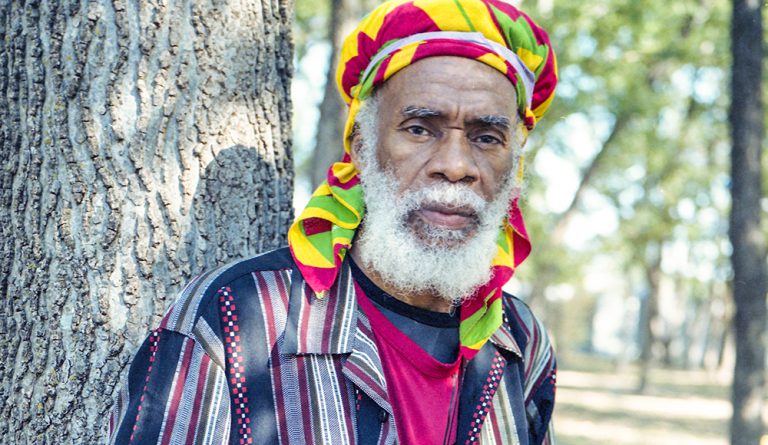
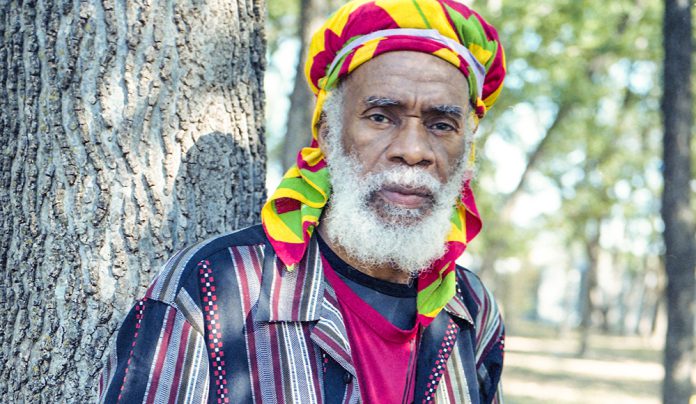
ISRAEL VIBRATION & ROOTS RADICS It’s undeniable that Moe’s Alley is the desired haven for elders of roots reggae. The Israel Vibration origin story begins in the Mona Rehabilitation Clinic of Kingston, Jamaica. During the 1950s, a savage polio epidemic spread across the island. Lascelle “Wiss” Bulgin, Albert “Apple Gabriel” Craig, and Cecil “Skelly” Spence met in the Clinic and found medicine in harmonizing their voices. Their love of Rastafarian culture provided the foundation for their ascent as a beloved band. Wiss remains and is backed up by Roots Radics. The flavor is authentic and the vibe is dank. DNA

INFO: 9pm, Moe’s Alley, 1535 Commercial Drive, Santa Cruz, $46. 479-1854.

SATURDAY 6/20

THEATER

STREET THEATER  Dictionary.com defines “street theater” as “the presentation of plays or other entertainments by traveling companies on the streets, in parks, etc., often with the use of temporary or mobile stages.” So, is it actually “street theater” when it’s at a venue like the Santa Cruz Actors’ Theater? That question and more will be answered this Saturday with not one, but two performances (2pm and 7pm). There are 14 different ticket price tiers but buy in confidence knowing proceeds will be split evenly between Renegade’s Rainbow: Casper’s Memorial Fund, which provides scholarships to LGBTQ+ youth at Renegade Theater and Trans Families of Santa Cruz, a parent-led organization dedicated to supporting families of transgender and gender-diverse children. MW

INFO: 2pm & 7pm, Santa Cruz Actors’ Theater, 1001 Center St., Santa Cruz. $13-$210. 431-8666.

ROCK

THE VERVE PIPE The Verve Pipe has spent over three decades carving out a sound where pop hooks meet post-grunge grit. Brothers Brian and Brad Vander Ark set the anchor for the band, with Brian penning the well-loved track, “The Freshmen,” a haunting, platinum-selling centerpiece of 1996’s Villains. Soul-searching lyrics, layered guitar work, and a knack for melodic tension earned the band sold-out dates across the country and spots on Letterman and Leno. Showcasing impressive range, the band pivoted to acclaimed children’s records before returning to adult rock with 2014’s Overboard. The Verve Pipe always finds a way back to the stage, and to themselves. SN

INFO: 8pm, Felton Music Hall, 6275 Hwy 9, Felton. $38. 704-7113.

SUNDAY 6/21

METAL

DEATH ANGEL Launched in 1982, thrash metal band Death Angel built a loyal Bay Area following, earning opening spots for some of the biggest names in metal (Metallica, Megadeth, Slayer). Remarkably, when Death Angel debuted on record with 1987’s The Ultra-Violence, all band members were still teenagers. After 1990’s Act III, the band’s first run ended, but the group reformed in 2001. Today only vocalist Mark Osegueda and lead guitarist Rob Cavestany remain. The band’s current tour celebrates Act III, the critically-acclaimed record that broke them in Europe and earned their videos placement on the then-trendy MTV program Headbanger’s Ball. BK

INFO: 7:30pm, Catalyst, 1101 Pacific Ave., Santa Cruz. $46. 713-5492.

MONDAY 6/22

JAZZ

KEITH GREENINGER & VICKI RANDLE The MAH and Kuumbwa Jazz are celebrating the Santa Cruz Guitar Company hitting 50. The SCGC has been making guitars using responsibly and ethically sourced wood since its inception. From happy owners like Elvis Costello to Jack Black, these lovingly assembled guitars are respected worldwide. Keith Greeninger and Vicki Randle will be getting the vibe going and you can expect a special appearance from SCGC founder Richard Hoover. Greeninger, who is well known in the music fest circuit, and rock star Randle bring the goods.  A celebration of Luthiers, community and the power of music. DNA

INFO: 7pm, Kuumbwa Jazz Center, 320-2 Cedar Street, Santa Cruz. $29-$31. 427-2227.   

WEDNESDAY 6/24

INDIE POP

JOH CHASE Rooted in the Pacific Northwest and transplanted to Los Angeles, Joh Chase carries both worlds into every song. The multi-instrumentalist has been shaped by the music of Elton John, The Cranberries, and the Mamas and the Papas, and weaves alt-folk with an indie sensibility that feels familiar and fresh. Their 2024 album, SOLO, is the culmination of a career built on self-funded tours, crowdfunded records, and a do-it-yourself devotion to their craft. Vulnerable yet steady, Chase’s songs remind the listener of truths both personal and universal. Nestled in a quiet self-assurance, Chase’s blend of delicate folk, glittery pop, and triumphant indie rock offers reflection and rediscovery. SHELLY NOVO

INFO: 8pm, Crepe Place, 1134 Soquel Ave., Santa Cruz. $15. 429-6994.

Open the Taps

Something flavorful is brewing, you might say. Several special somethings, really.

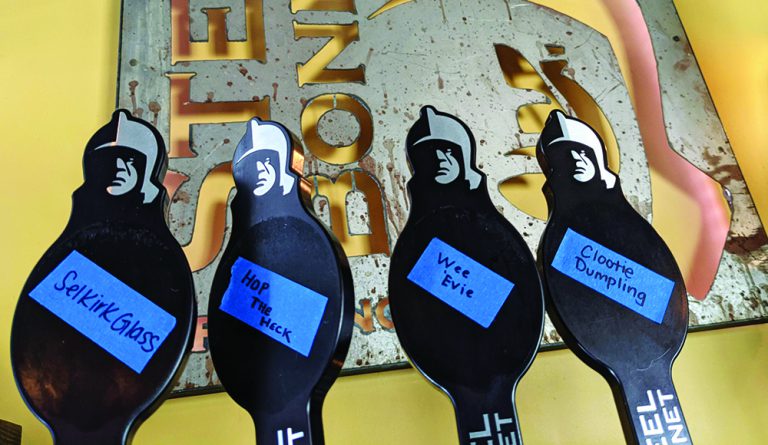
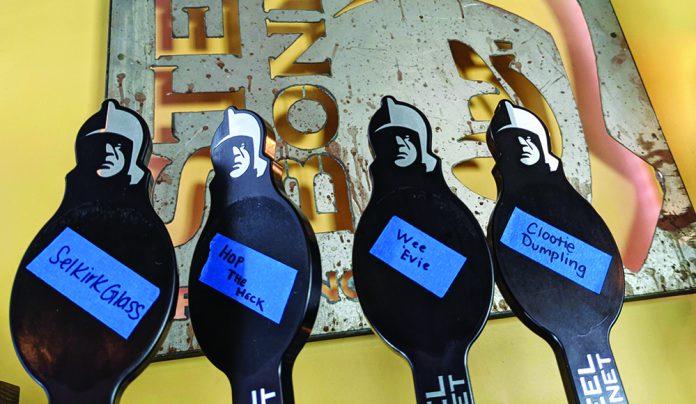
To start, Santa Cruz Mountains gem Steel Bonnet Brewing Co. (20 Victor Square, Unit B, Scotts Valley) is on a heater.

Fresh off two first-place medals at California State Fair’s craft beer championships, it has a family-friendly taproom OTW in Oldtown Salinas (217 S Main St., Salinas), cracking open in late August.

Signature brews Big Trees Red Ale and Black Dragon took top honors in the American Amber/Brown Ale and U.K. Stouts categories, respectively.

The Salinas spot will enjoy synergies born of the facts SBBC’s production facility is less than two miles away, the Main Street corridor has a lot going for it, and the former Farmer’s Union Pour House is essentially a welcoming—and turnkey—space, steelbon.net.

FRESH SITUATION

H&H Fresh Seafood has opened a second location, code name H&H Westside (402 Ingalls St., Suite 15, Santa Cruz), transporting the same sort of snappy catch offerings at the original harbor spot (493 Lake Ave. A, Santa Cruz) and pairing that with poke bowls, oysters, tuna crudo, local rock crab, tinned fish platters and a lineup of sea-centric grocery items and other grab-and-go options.

Co-owners Hans Haveman and Heidi Rhodes envision a casual neighborhood gathering place, with future additions including sushi hand rolls, raw bar nights, expanded patio seating and ceviche, seafood salads and onigiri. Soft launch hours are 11am–6pm Wednesday-Thursday, until 7pm Friday-Saturday, until 5pm Sunday, closed Monday-Tuesday. As their website proclaims, “Same boats, same standards, same family—now closer to your side of town,” hhfreshfish.com.

RISING SUN FUN

Two welcome additions from a pair of yakitori pop-up stars have arrived, one around the corner from the new H&H. That one, Toriman Shouten, will animate the tiny (and terrific) former Margins Wine space with Japanese groceries, snacks and onigiri, then the development of Santa Cruz’s first sake tasting room, featuring California-made and imported sake. Last week, Toriman founders Yuko Asaoka and Kaito Akimoto opened their first permanent location, Toriman Konbini, in the Brown Ranch Marketplace (3555 Clares St., Suite G, Capitola). The top-shelf Far Eastern convenience store stars five flavors of handmade onigiri, soups, soba, sundries, cookware, beer, wine and—eventually—expanded offerings such as ramen, curry rice and weekend yakitori grilled al fresco, instagram.com/yakitori_toriman.

NEW SNACK ATTACK

Sweet Home Santa Cruz is back for its fourth annual—and biggest—festival yet, sugar rushing beyond the perimeter of Humble Sea (820 Swift St., Santa Cruz) into the Mission West patio and parking lot, plus McPherson Street 11am-5pm Saturday, June 20, instagram.com/sweethomesantacruz…

Santa Cruz Mountain wineries have kicked in an epic value with a Sip & Explore World Cup Tasting Passport for a very modest $25 that empowers free wine tasting at 30ish wineries for the run of the tournament through July 15, and PS SCM’s quarterly Passport Day takes place this Saturday, June 20, with its Taste of Terroir dinner a week later (June 27) at Beauregard Ranch with chef Brad Briske handling food and seven wineries flowing the vino, winesofthesantacruzmountains.com

The annual Sustain Supper returns to the Homeless Garden Project’s Natural Bridges Farm on June 20, with a four-course farm-to-table feast, local sippers, live music, a farm tour and inspiring speakers in support of the nonprofit’s transitional employment program; chef Estevan Silva of Studio Estepan and chef-professor Andrea Mollenauer of Lifestyle Culinary Arts cook, while James Beard Award-winning farmer and food-systems advocate Mai-Nadine Nguyen delivers the keynote, homelessgardenproject.org…A little Rumi goes a long way: “Your task is not to seek for love, but merely to seek and find all the barriers within yourself that you have built against it.”

Signature Ramen

For his first and only restaurant job, Chris Ishikawa started at Miyuki during high school in 2001 as a busser. He learned the business intimately, working every position until he took ownership in 2016 from the original founders, his aunt and uncle, Janet and Chief Sakaguchi.

In 2023, Ishikawa decided to divest his ownership but stay on as a server and sushi chef, selling the restaurant to retired Santa Cruz County Sheriff and customer/fan turned owner Paul Tashiro.

Miyuki as a small community-based restaurant frequented by many loyal regulars, with a clean and minimalist “like walking into a friend’s living room” ambiance, punctuated by Tashiro’s touch of law enforcement and first responder patches.

 Ishikawa says the cuisine is traditional, authentic Japanese with a home-cooked feel, best begun with appetizers like baked scallops with special house sauce, albacore tataki, oyster shooters and scratch-made gyoza.

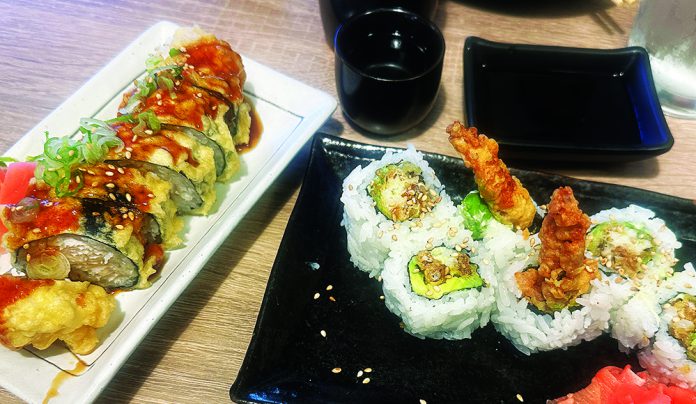
Main dish mainstays are a house-marinated short rib, teriyaki proteins and an award-winning ramen. There’s a strong sushi selection,  like classic sashimi and nigiri as well as popular rolls like the Dragon (shrimp tempura, unagi, avocado, sweet sauce) and the Tokyo (spicy tuna, hamachi, avocado and tempura crumbs). Dessert is Marianne’s ice cream in myriad flavors and beverages include Japanese beer and local wine.

Describe your front-of-house/back-of-house blended skillset.

CHRIS ISHIKAWA: Throughout my early years at Miyuki, I started as a busser/server and made lifelong acquaintances with both my coworkers and guests. When I became an owner, it was very important for me to learn to make sushi in order to be able to know how to do every aspect of the business. Now that I have sold the restaurant, I enjoy working here because I get to see all of our regulars and continue to foster those relationships, minus some of the stresses that come with ownership.

Tell me more about your ramen.

We have curated a signature ramen bowl that we only serve on Wednesdays. We felt like the Watsonville community needed a really good, authentic bowl of ramen, so we started offering it about two years ago. It’s been very popular and has gained a good local following. The broth is a tonkotsu/soy sauce base, lightly rich and savory, made with homemade dashi for depth of flavor. It also comes with fresh noodles, chashu pork and a perfectly soft-boiled egg.

452 East Lake Avenue, Watsonville, 831-728-1620; miyukirestaurantwatsonville.com 

Don’t Be Blindsided

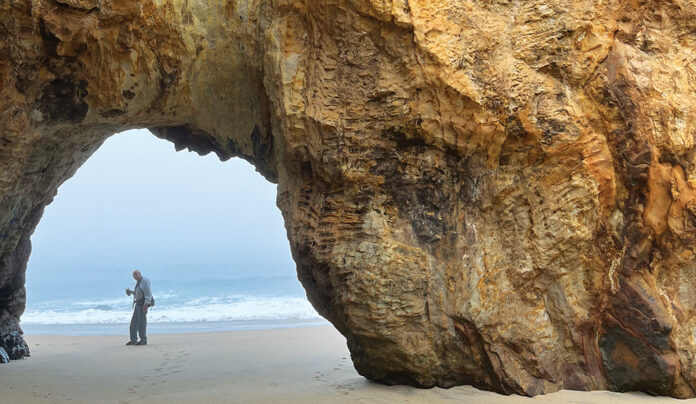
A person stands beneath the Keyhole rock arch at Panther Beach near the ocean.
After two young women drowned at Panther Beach, Richard Stockton examines the danger of sneaker waves, rising tides and the Keyhole, with safety advice from CAL FIRE’s Michael Horn.

Rejoice, Rejoice

A child spins a large prayer wheel at Land of Medicine Buddha in Soquel.
The Medicine Buddha Festival returns to Land of Medicine Buddha in Soquel with Tibetan music, monks chanting, Mongolian performances, a thangka procession, free lunch, family activities and a full community celebration.

Beyond the Scale

David Liotta stands in front of the BluRithm mobile DEXA scan vehicle.
What if your most important health numbers aren't your weight, BMI, or even your cholesterol? Two people can step on a scale and see the same number, yet one may have the muscle mass of an avid hiker and the bone density of a 30-year-old, while the other is quietly losing both. That's why a growing number of Santa...

Can Food Improve Mood?

Illustration of a woman seated beneath a circular arc of fruits, vegetables and healthy foods.
UCSC professor Andrea Cook explores nutritional psychology, an emerging field studying how food, mood, stress and mental health influence one another.

Finding Super Foods

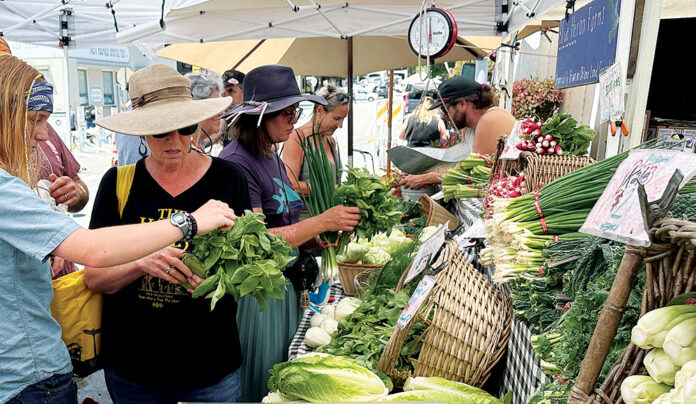
Shoppers browse fresh greens, radishes and other produce at a Santa Cruz farmers’ market.
Elizabeth Borelli explores how Santa Cruz County farmers’ markets offer fresh, local superfoods—from berries and mushrooms to beans, olive oil and dark chocolate.

Protein Obsession

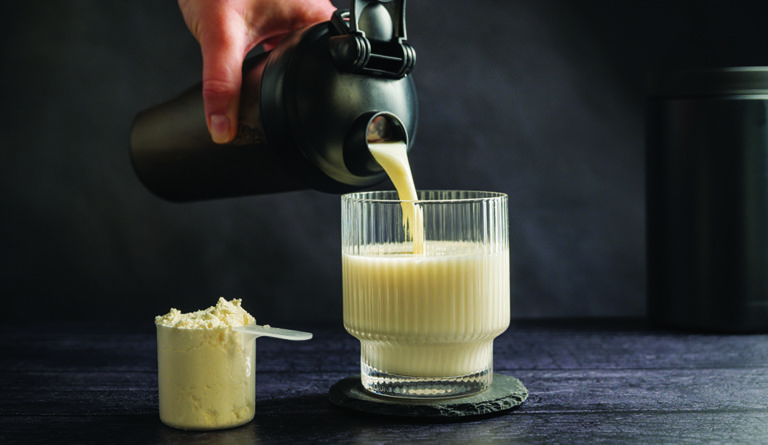
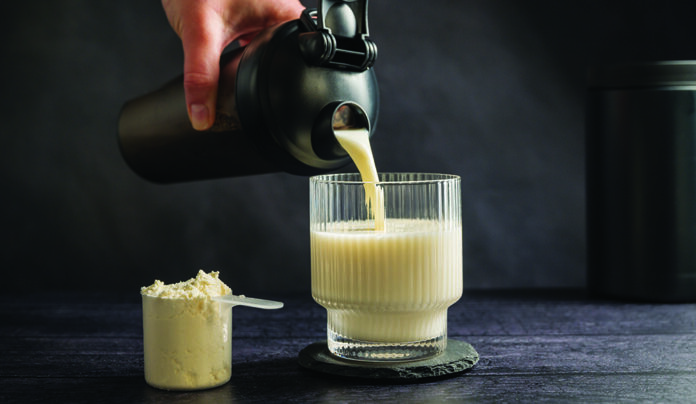
Protein drink being poured into a glass beside a scoop of protein powder.
Elizabeth Borelli examines America’s protein obsession, arguing that most people get enough protein while fiber remains the more urgent dietary gap.

Letters

fingers typing on a vintage typewriter
This week’s letters and online comments range from World Cup frustration and political outrage to praise for local institutions and debate over beach access.

Things to do in Santa Cruz

Israel Vibration reggae artist standing beside a tree in a colorful Rastafarian headwrap.
Roots reggae legends Israel Vibration & Roots Radics bring their Kingston-born sound to Moe’s Alley on Friday, June 19, in a Santa Cruz calendar week packed with music, theater and art.

Open the Taps

Beer tap handles at Steel Bonnet Brewing labeled with rotating brews on painter’s tape.
Steel Bonnet Brewing expands toward Salinas while its Scotts Valley outpost becomes an experimental hub, H&H Fresh Seafood opens on the Westside, and Toriman brings Japanese market and sake-tasting energy to the local dining scene.

Signature Ramen

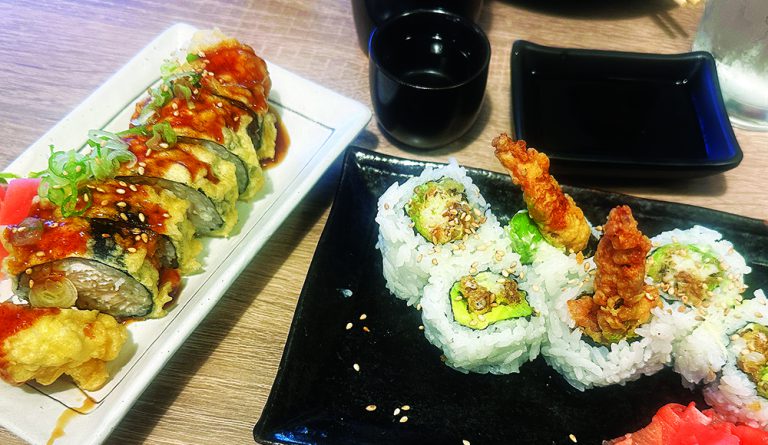
Deep-fried Pajaroll and Spicy Spider Roll served at Miyuki Restaurant in Watsonville.
At Watsonville’s Miyuki Restaurant, longtime server and sushi chef Chris Ishikawa helps preserve a home-cooked Japanese dining tradition built on loyal regulars, standout sushi and a Wednesday-only signature ramen that has earned its own local following.
19,108FansLike
8,845FollowersFollow